
24/7 Customer Support

Free returns

Same-day & Next-day Delivery

Quality Guaranteed

Unlock Your Welcome Offers: FREE Delivery | Up to 80% OFF | Free 30-day JoyPlus trial
Download the APP
Buying Chinese noodles online can look straightforward until you compare noodle width, cooking time, pack size and ingredient labels. A small packet may suit one quick lunch, while a large bag of wheat noodles could be more practical for family meals or meal preparation. The right choice depends on how you plan to cook and serve them.
This guide from the Joybuy Product Recommendation Officer focuses on practical details rather than packaging promises, helping UK shoppers select Chinese noodles for soups, stir-fries, hot pot, braised dishes and convenient weekday meals.
Words such as “handmade”, “hand-pulled” and “knife-cut” describe a production style or shape, but they do not always indicate identical results in the bowl. Wide noodles generally provide a more substantial bite and hold sauces well. Thin noodles cook faster and may be more suitable for lighter broths or quick stir-fries.
Check the product description for measurable details such as width, cooking time and noodle thickness, rather than relying only on traditional-sounding descriptions.
Bulk packs can offer convenience for families, catering customers and meal-preparation shoppers, but dried Chinese noodles need a cool, dry storage area away from sunlight and moisture. Once opened, reseal the packaging to help protect the noodles from humidity and pests.
Fresh or wet noodles may have a shorter storage window than dried products. Confirm the storage instructions and best-before information before ordering several packs.
Many wheat noodles contain gluten, while flavoured instant noodles may also include crustaceans, fish, sesame, peanuts or soya. For example, MAMA Ok Shrimp Stir Fry Tom Yum noodles list wheat, shrimp and fish, with possible traces of other allergens.
Always read the current UK packaging label before consumption. Product formulations and packaging information can change, so online descriptions should support—not replace—the label.
For stir-fry noodles, select a product that can be drained thoroughly without becoming soft too quickly. For soup noodles, consider how the noodle will change after sitting in hot broth.
Cooking times in the selection below range from around 3–8 minutes, depending on the product. Instant noodles may need only a short boil before stir-frying, while dried handmade noodles can require longer cooking.
Follow the pack instructions and use a sufficiently large pan of boiling water. Stir occasionally to prevent sticking, then drain well. If you intend to stir-fry the noodles, slightly undercooking them before transferring them to the pan can help maintain a chewy texture.
Simple wheat noodles commonly contain wheat flour, water and salt. Other products may include tapioca starch, sodium carbonate, konjac flour or additional grains. Compare:
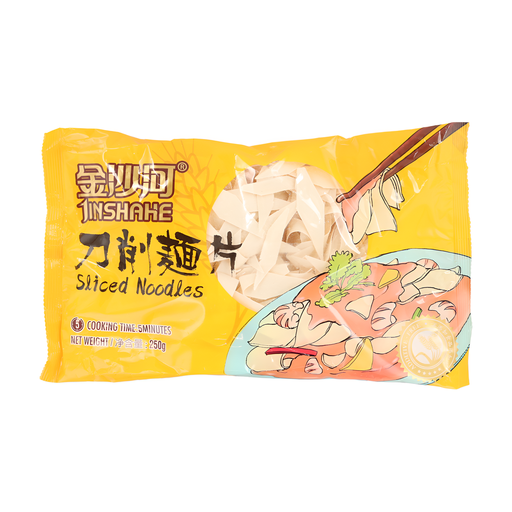
Why This Fits Their Persona: A compact pack for students, first-time buyers or smaller UK households trying knife-cut noodles without committing to a bulk quantity.
The 250g quantity makes portion planning clearer, while the stated 3–5-minute cooking time avoids the assumption that all handmade-style noodles require lengthy preparation.
Wheat flour, water and salt; suitable for stewed noodles, fried noodles and soup noodles; listed at 3–5 minutes cooking time.
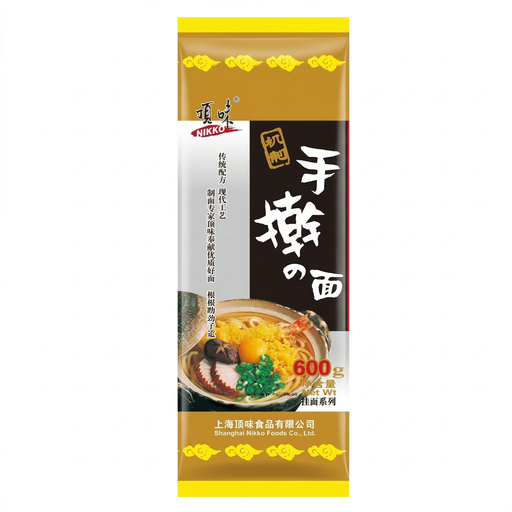
Why This Fits Their Persona: Suitable for home cooks who prioritise wide, thick noodles with a smooth, chewy texture for Chinese soups and tossed noodle dishes.
The product information specifies a 4–5-minute cooking time and identifies the noodles as fresh wet noodles, helping shoppers distinguish them from shelf-stable dried Chinese noodles.
600g pack; wheat flour, water, salt and sodium carbonate; described as suitable for soup, tossed and stir-fried noodles.
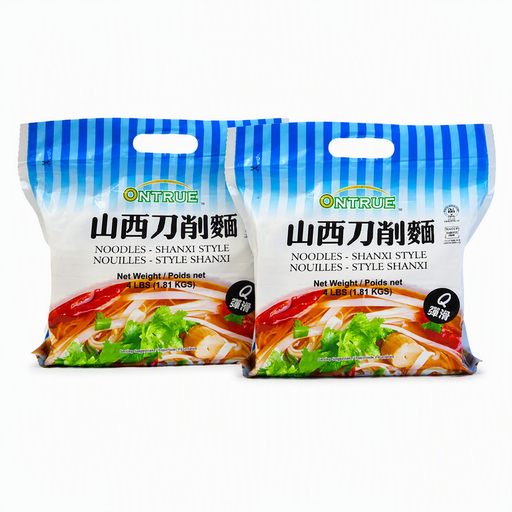
Why This Fits Their Persona: Designed for families, catering customers and frequent cooks who need wide noodles for hot pot, braised dishes and repeated stir-fries.
The 1.81kg ×2 format makes the total quantity explicit. Its stated 7–8-minute cooking time also sets a realistic expectation for thicker knife-cut noodles.
Wide, thick noodles with shaped edges; ingredients listed as wheat flour, water and salt; suitable for soups, stews and stir-fries.
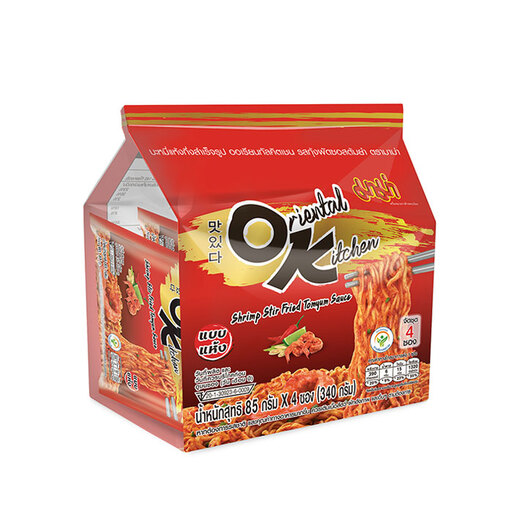
Why This Fits Their Persona: A convenient option for students, office lunches and quick evening meals when you want Thai tom yum flavour in a stir-fry format.
The four 85g packs provide defined portions, while the instructions specify 2–3 minutes boiling followed by 1–2 minutes of stir-frying.
Includes noodle cakes, seasoning powder and chilli paste; contains shrimp and fish, with wheat clearly identified in the ingredients.
We have compiled a complete, real-time list of products that fully satisfy these strict selection criteria and UK safety regulations.
For soup noodles, cook the noodles separately when possible, then add them to hot broth just before serving. This helps reduce excess starch in the soup and gives you more control over firmness. For stir-fry noodles, drain thoroughly before adding sauce, vegetables and protein.
Store unopened dried Chinese noodles in a cool, dry cupboard. Keep opened packs sealed and follow the printed date. Never eat raw noodle dough or undercooked noodles; use the preparation method supplied on the packaging.
Choose noodles that can be boiled, drained and transferred to a hot pan without breaking. Knife-cut noodles, hand-rolled noodles and dedicated stir-fry noodles can all work. Instant noodles such as the MAMA tom yum multipack are designed specifically for a short boil followed by stir-frying, although their seasoning also contains allergen information that needs checking.
The answer depends on pack size, seasoning and how many portions you prepare. A large 800g–1.81kg bag can be economical for families or regular cooking, while instant noodles offer convenience in smaller, pre-portioned packs. Compare the price per 100g, not only the shelf price.
Cooking time varies by format. Some quick knife-cut noodles take approximately 3–5 minutes, fresh-style noodles around 4–5 minutes and thicker dried handmade noodles approximately 6–8 minutes. Always follow the instructions on the specific pack and adjust only after checking the texture during cooking.