
24/7 Customer Support

Free returns

Same-day & Next-day Delivery

Quality Guaranteed

Unlock Your Welcome Offers: FREE Delivery | Up to 80% OFF | Free 30-day JoyPlus trial
Download the APP
Navigating the world of Chinese noodles can be a challenge. You might be looking for a quick and satisfying meal, or perhaps you're an adventurous cook aiming to recreate a dish you enjoyed on holiday or at a local restaurant. However, the path to the perfect bowl is often filled with pitfalls that can lead to disappointing meals and wasted money.
As the Joybuy Product Recommendation Officer, my role is to help you see past the confusing labels and marketing claims. Let's look at the common traps UK shoppers fall into and how to choose the right noodles for your kitchen.
dried Asian noodles are created equal; some are designed specifically for broths, while others are robust enough for high-heat cooking.instant noodles that promises a classic flavour, only to be met with an overly salty, one-dimensional broth and a tiny portion. A truly satisfying instant meal should deliver a complex and rich flavour profile.To avoid these issues, focus on a few key characteristics. Understanding these will empower you to select the perfect Chinese noodles for any meal you have in mind.
The foundation of any great noodle dish is the noodle itself. The main factors influencing taste and texture are the ingredients and the shape.
Wheat Noodles: This is the most common category.
ramen noodles, contain an alkaline agent (traditionally kansui). This gives them their characteristic yellow hue, springy chew and firm texture, making them the ideal choice for holding up in rich broths without becoming soggy.Lanzhou beef noodles or "hand-pulled" style aim to replicate the texture of freshly pulled noodles. They are typically wider, flatter and have a delightfully chewy, uneven texture that clings to sauces and broths.Shape and Thickness: The shape dictates how the noodle interacts with other ingredients. Wide, flat noodles like Biang Biang are designed to be coated in flavourful oils and sauces. Ultra-thin "dragon beard" noodles are delicate and best suited for clear broths.
Check the product description or packaging for recommended uses. This is the most reliable way to ensure your noodles perform as expected.
Here are a few recommendations from our catalogue, matched to different needs and cooking styles, helping you find authentic Chinese noodles UK residents will love.
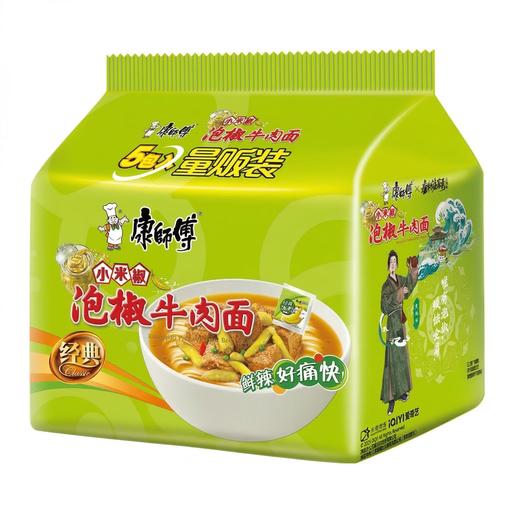
Why This Fits Their Persona: For those needing a quick, flavour-packed lunch or dinner after a long day. This multi-pack is perfect for stocking the pantry and offers a complex, satisfying meal in minutes without any fuss.
It sidesteps the "bland instant noodle" trap by delivering a specific and bold flavour profile—a tangy and spicy pickled chilli beef broth that is far from one-dimensional.
Convenient 5-pack for multiple meals. The combination of seasoning oil and powder creates a rich, aromatic broth.
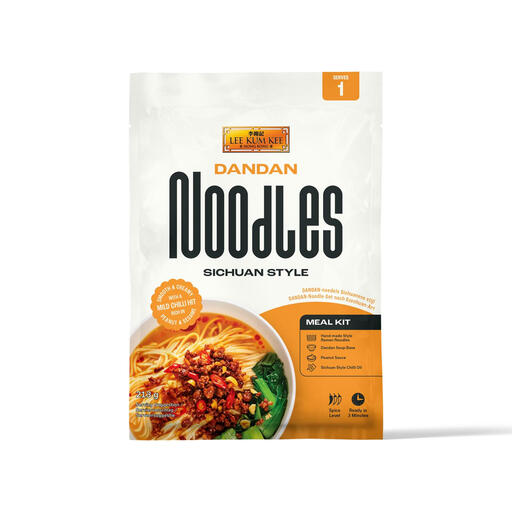
Why This Fits Their Persona: Ideal for those wanting to recreate a specific regional dish without sourcing a dozen ingredients. This kit provides everything needed for authentic Sichuan noodles, specifically the famous Dandan noodles.
This kit directly counters the "fake authentic" trap by providing all the distinct flavour components, including the crucial Sichuan peppercorn chilli oil for the signature numbing (málà) sensation.
A complete, convenient kit for a restaurant-quality dish. The included ramen noodles have a satisfying, chewy texture.
Why This Fits Their Persona: This is a fantastic pantry staple for anyone who cooks regularly. This large pack of high-quality dried noodles provides a versatile base for countless family meals, from quick weeknight stir-fry noodles to weekend noodle soups.
It solves the "wrong noodle for the dish" problem by being explicitly versatile. The firm, hand-rolled style texture holds up well in soups, stir-fries and cold dishes, making it a reliable choice.
Excellent value in a 500g pack. The traditional texture provides a satisfyingly firm and chewy bite that elevates simple dishes.
We have compiled a complete, real-time list of products that fully satisfy these strict selection criteria and UK safety regulations.
1. What is the main difference between Chinese noodles and Italian pasta? The primary differences lie in the ingredients and preparation. Most Italian pasta is made from durum wheat and water, sometimes with egg. Many Chinese wheat noodles use a softer wheat flour and can include an alkaline salt, which gives them a springier texture. While pasta is typically boiled and served with a sauce, noodles are used in a wider variety of applications, including soups, stir-fries and cold salads.
2. How can I prevent my stir-fry noodles from becoming mushy? The key is to avoid overcooking them initially. Boil the noodles for 1-2 minutes less than the package instructions suggest, so they are still firm (al dente). Immediately drain them and rinse under cold water to stop the cooking process and wash away excess starch. Ensure your wok or pan is very hot before adding the noodles, and toss them quickly with the other ingredients to heat through without further cooking.
3. Are instant Chinese noodles an unhealthy choice? Like many convenience foods, instant noodles can be high in sodium and saturated fat. However, you can easily make them part of a more balanced meal. Try using only half of the seasoning sachet to reduce your sodium intake. More importantly, enhance the dish by adding fresh ingredients like steamed bok choy, a soft-boiled egg, sliced spring onions, or leftover cooked chicken or tofu. This adds nutrients, texture and flavour.