
24/7 Customer Support

Free returns

Same-day & Next-day Delivery

Quality Guaranteed

Unlock Your Welcome Offers: FREE Delivery | Up to 80% OFF | Free 30-day JoyPlus trial
Download the APP
Hello, I'm the Joybuy Product Recommendation Officer. My role is to help you navigate the crowded online marketplace and make informed choices. When it comes to stocking your pantry, the world of Chinese noodles can be as exciting as it is confusing. A walk down the virtual aisle presents you with dozens of packets that look similar but behave very differently in the kitchen.
Many home cooks in the UK, eager to recreate a delicious meal from a restaurant or a family recipe, fall into a few common traps. Choosing the wrong noodle can turn a highly anticipated stir-fry into a mushy mess or leave you with disintegrated threads at the bottom of your hot pot. Before you buy Asian noodles online, let's look at the pitfalls to avoid.
To ensure you get the texture and flavour you're looking for, focus on these two non-negotiable parameters before adding any noodles to your basket.
The single most important factor determining a noodle's behaviour is what it's made from.
Rice-Based Noodles: These are typically white and opaque when cooked. They come in many forms, from the very thin rice vermicelli (perfect for Vietnamese summer rolls or light soups) to thicker, round Jiangxi noodles and the wide, flat rice sticks known as he fen. Flat rice noodles are the classic choice for stir fry noodles like Beef Chow Fun, as their broad surface picks up sauce beautifully. Their texture is generally soft with a slight chew.
Starch-Based Noodles: These noodles are prized for their unique texture.
The form of the noodle dictates how it interacts with other ingredients and how it feels to eat.
Thickness: Fine noodles (around 0.8mm-1mm) cook very quickly and are best for delicate soups or as a bed for saucy dishes. Medium-to-thick noodles (2mm and up) are more robust. They can handle vigorous stir-frying and absorb the flavours of a hearty broth without falling apart.
Shape (Round vs. Flat): Round noodles are the all-rounders of the noodle world, suitable for almost any application. Flat noodles, like he fen, offer a satisfying, silky mouthfeel and are unparalleled for capturing the smoky "wok hei" of a good stir-fry.
Based on these practical criteria, here are a few selections matched to different cooking needs and preferences.
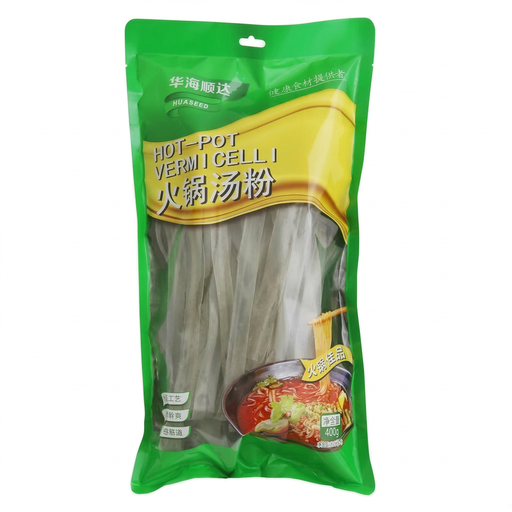
Why This Fits Their Persona: For anyone hosting a hot pot night in the UK, having noodles that don't turn to mush is non-negotiable. These are specifically designed for simmering in a shared pot.
It directly solves the "wrong noodle for the job" problem. Made from sweet potato starch, it is heat-resistant and maintains a chewy, smooth texture even after prolonged cooking.
Excellent at absorbing the flavour of the broth; provides a satisfyingly chewy texture that contrasts well with other hot pot ingredients.
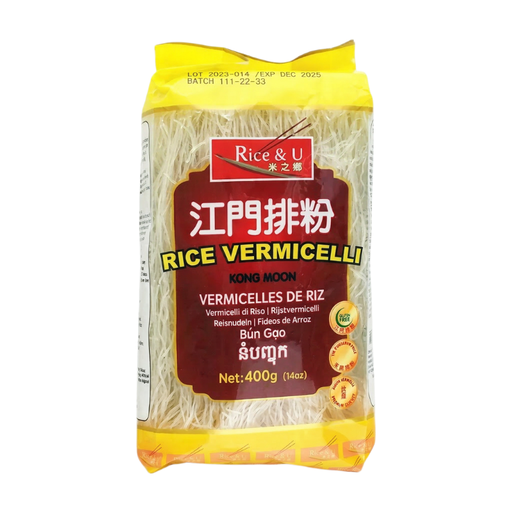
Why This Fits Their Persona: Perfect for the home cook aiming to master classic Cantonese dishes like Beef Chow Fun. These are the authentic flat he fen or rice sticks needed for the job.
This noodle's identity is clear. It's not a generic "vermicelli"; it's a wide, flat rice noodle. This specificity ensures you get the right foundation for your stir-fry, avoiding the pitfall of using a noodle that will break apart.
Made simply from rice and water, it has a smooth texture that absorbs sauces well and holds its shape during high-heat cooking.
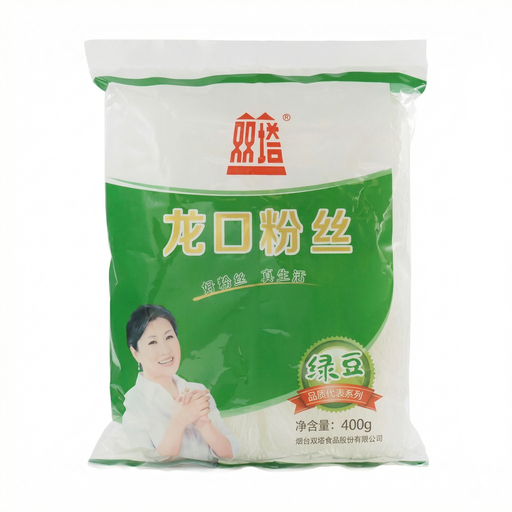
Why This Fits Their Persona: For the cook who wants one reliable noodle that can be used for salads, soups or light stir-fries. This is a classic, high-quality pantry staple.
This avoids the "vague vermicelli" trap. It is authentic Longkou vermicelli, made from a blend of mung bean and pea starch, ensuring the signature translucent look and chewy bite of true glass noodles.
Extremely versatile for hot and cold dishes; cooks quickly after a short soak and provides a firm, pleasant texture.
We have compiled a complete, real-time list of products that fully satisfy these strict selection criteria and UK safety regulations.
The main difference is the core ingredient. Rice vermicelli is made from rice flour and water. It cooks to an opaque white colour and has a softer texture. Glass noodles (like Longkou vermicelli) are made from starch, typically from mung beans, peas or sweet potatoes. They become transparent or "glass-like" when cooked and have a distinctly chewier, more elastic texture.
When stored correctly in a cool, dry place away from direct sunlight, most dried Chinese noodles have a long shelf life, often between 18 to 24 months. Once the package is opened, it's advisable to keep them in an airtight container to maintain freshness. Always refer to the "best before" date printed on the packaging for specific guidance.
While you can experiment, some noodles perform much better than others in a stir-fry. The high heat and constant tossing require a sturdy noodle. Wide, flat rice sticks (he fen), chewy sweet potato noodles or medium-thickness round rice noodles are excellent choices because they resist breaking. Very fine noodles, like silver thread vermicelli, are more delicate and can clump or fall apart, making them better suited for soups or salads.