
24/7 Customer Support

Free returns

Same-day & Next-day Delivery

Quality Guaranteed

Unlock Your Welcome Offers: FREE Delivery | Up to 80% OFF | Free 30-day JoyPlus trial
Download the APP
Finding authentic Chinese noodles in the UK can feel like a quest. You might grab a packet labelled "Asian-style" from a local supermarket, only to find it turns to mush in your stir-fry, or an instant noodles pot that tastes more of salt than the rich broth you were hoping for. Many of us, whether we're students missing a taste of home or food lovers keen to recreate a delicious meal, have faced this disappointment.
As a Joybuy Product Recommendation Officer, my role is to help you navigate the crowded online marketplace. It's easy to be misled by clever packaging or to assume all noodles are created equal. Let's look at two common pitfalls to avoid when you buy Chinese noodles online UK.
Understanding a few key details can make all the difference between a disappointing meal and a truly satisfying one.
Before adding any noodles to your basket, it's worth checking a couple of core parameters. This ensures you get the right product for the meal you have in mind, saving you from culinary frustration.
The foundation of any good noodle is its composition. The ingredients list tells you everything about its intended texture and use.
Your choice here depends on whether you prioritise convenience or culinary creativity.
To help you choose, I've matched some popular options to different needs and lifestyles, based on their ingredients and preparation style.
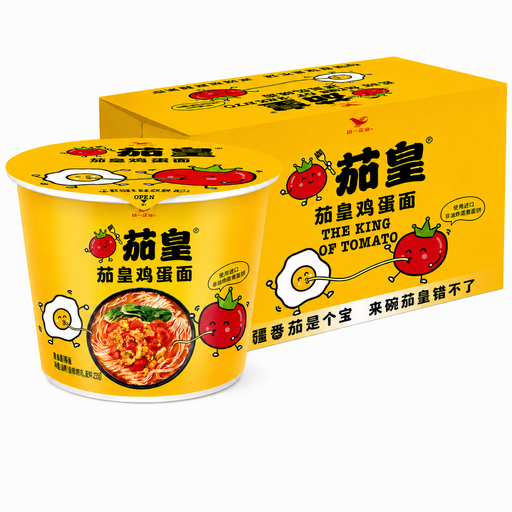
Why This Fits Their Persona: For those short on time, these cup noodles offer a quick, warm and satisfying meal. The tomato and egg flavour is a comforting and familiar classic, far more substantial than a simple sandwich. Buying a full case is economical and keeps the pantry stocked for late-night study sessions or quick office lunches.
This is not a one-dimensional instant noodle. It includes separate sachets for the tomato soup base and vegetables, delivering a richer, more layered flavour profile that avoids the overly salty taste of basic pot noodles.
Preparation is incredibly fast (3-4 minutes with boiling water). The flavour is rich and savoury, providing a genuinely comforting meal with minimal effort.
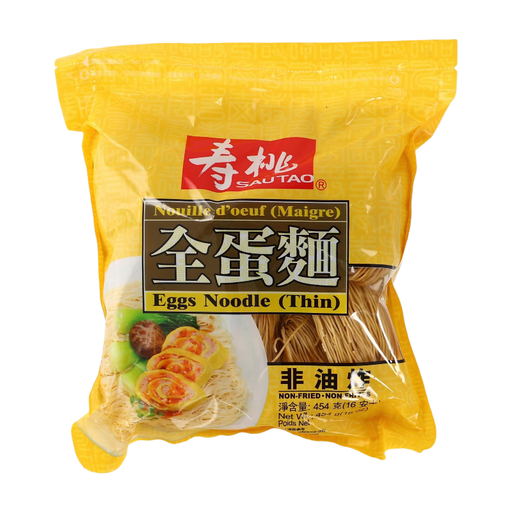
Why This Fits Their Persona: For those who love to cook, this pack of dried Asian noodles is a versatile pantry staple. Sau Tao is a well-regarded brand, and these thin egg noodles are perfect for creating authentic dishes from scratch, whether it's a simple noodle soup, a classic lo mein or a spicy dan dan mian.
This directly counters the "one-noodle-fits-all" problem. As a dedicated Chinese egg noodle, it's specifically designed to have a firm, springy bite that holds up beautifully in both soups and stir-fries, avoiding the mushiness of lower-quality plain wheat noodles.
Made with egg for a richer flavour and superior texture. Highly versatile for a wide range of home-cooked Chinese dishes, giving you an authentic foundation to build upon.
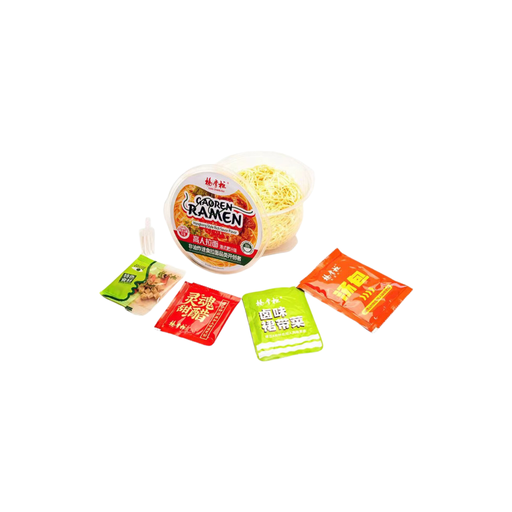
Why This Fits Their Persona: This is for the adventurous eater looking for complex flavours that also meet specific dietary needs. It's Halal-certified and egg-free, offering a rich, savoury and tangy Hong Kong-style broth that is a world away from standard chicken or beef flavours.
It elevates the instant noodle experience with non-fried noodles for a better texture and multiple seasoning packets, including a thick sauce paste, powder, vegetables and even a vinegar sachet for a customisable, tangy finish.
Halal-certified and egg-free, making it accessible for more people. The complex, multi-layered Hong Kong-style thick sauce provides a unique and deeply satisfying flavour.
We have compiled a complete, real-time list of products that fully satisfy these strict selection criteria and UK safety regulations.
1. What is the difference between Chinese egg noodles and ramen noodles? While both are popular Asian noodles, their preparation and texture differ. Chinese egg noodles are defined by the inclusion of egg in the dough, which gives them a springy, firm texture and a yellow hue. They are used in a huge variety of dishes, including stir-fries (chow mein) and soups (wonton noodle soup). Ramen noodles, traditionally, are Japanese wheat noodles made with an alkaline agent called kansui, which gives them their characteristic chewiness and yellow colour. They are almost exclusively served in broth.
2. How can I stop my noodles from getting mushy when I stir-fry them? The key is to slightly undercook the noodles during the initial boiling stage. Cook them for 1-2 minutes less than the package instructs, so they are still quite firm (al dente). Immediately drain them and rinse briefly under cold water to stop the cooking process and wash off excess starch. Make sure they are well-drained before adding them to a very hot wok or pan. This ensures they absorb the sauce and finish cooking in the pan without turning soft and mushy.
3. Are non-fried instant noodles a different choice? Non-fried instant noodles are air-dried or baked instead of deep-fried to remove moisture. This process generally results in a lower fat content compared to their conventional fried counterparts. Many people also find that non-fried noodles have a smoother, chewier texture that is closer to freshly cooked noodles. While the overall nutritional profile still depends on the seasoning and sauce packets, choosing a non-fried noodle base can be a consideration for those mindful of their fat intake.