
24/7 Customer Support

Free returns

Same-day & Next-day Delivery

Quality Guaranteed

Unlock Your Welcome Offers: FREE Delivery | Up to 80% OFF | Free 30-day JoyPlus trial
Download the APP
Navigating the world of Chinese noodles can be daunting. The sheer variety is incredible, but for UK shoppers, it also presents a few common pitfalls. Many of us have bought noodles labelled "authentic" only to be disappointed by a bland taste, or picked up a packet for a stir-fry that dissolved into a starchy mess. It's easy to feel like you're just guessing.
As a Product Recommendation Officer at Joybuy, I see these issues frequently. My role is to help you sidestep the marketing jargon and make informed choices. Before you add another packet of noodles to your basket, let's look at the key traps to avoid.
To ensure you get the right noodles for your culinary adventures, focus on these three core factors. They are the difference between a satisfying meal and a kitchen mishap.
The texture and shape of a noodle determine how it interacts with sauces and broths. Choosing correctly is crucial for the success of your recipe.
The flour used is the soul of the noodle. While most are wheat-based, exploring other grains can open up new flavours and textures.
Your choice also depends on how much time you have.
Based on these criteria, here are a few options that align with different needs and cooking styles, helping you avoid the common purchasing traps.
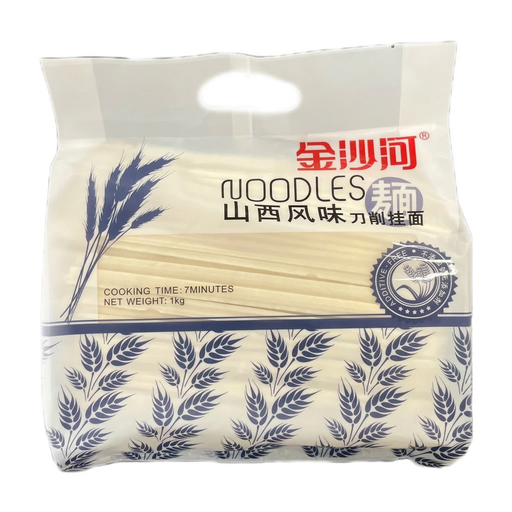
Why This Fits Their Persona: This home cook loves recreating authentic regional dishes. These knife-shaved noodles provide the perfect canvas for hearty Northern Chinese recipes, from rich beef noodle soup to spicy cumin lamb stir-fries. The large 1kg pack is ideal for frequent cooking.
It sidesteps the "wrong noodle" trap by being a specific, traditional shape designed for robust sauces. The simple ingredient list (wheat, water, salt) confirms its authentic foundation.
Excellent chewy texture that holds sauce well. A versatile base for a wide variety of hearty dishes.
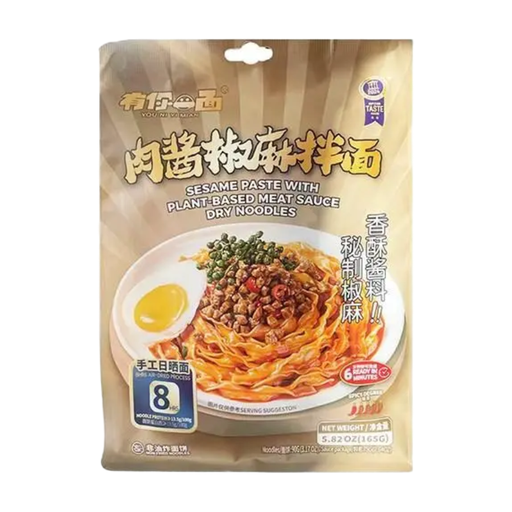
Why This Fits Their Persona: For the busy professional or student who craves a genuinely flavourful meal without the long prep time. This kit delivers an authentic, multi-layered Sichuan noodles experience, complete with the signature numbing peppercorn sauce.
This avoids the "authentic flavour" trap by providing a complete, region-specific sauce packet, delivering the true 'ma la' (numbing and spicy) sensation that westernised versions often miss.
A convenient, all-in-one meal kit that provides a complex and authentic Sichuan flavour profile in minutes.
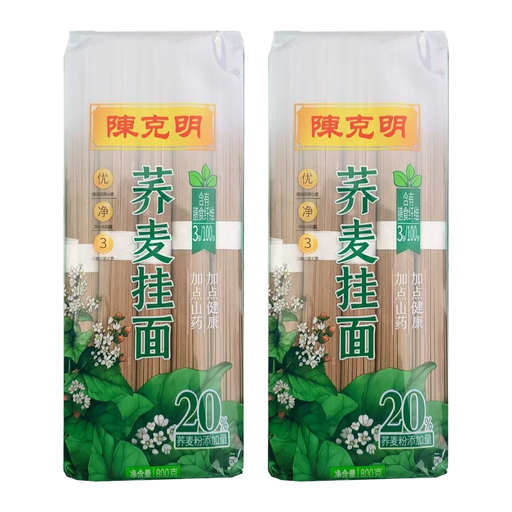
Why This Fits Their Persona: This person stocks their pantry with versatile, nutritious staples. These buckwheat noodles are perfect for quick, healthy meals, whether served in a simple broth, tossed in a salad or paired with steamed vegetables.
It avoids ingredient ambiguity by clearly stating it contains ≥50% buckwheat flour, ensuring you get the nutty flavour and nutritional characteristics you're paying for, not just a token amount.
High buckwheat content offers a distinct nutty taste and different nutritional profile. Low in fat and highly versatile for hot or cold dishes.
We have compiled a complete, real-time list of products that fully satisfy these strict selection criteria and UK safety regulations.
There are a few key steps. First, use a large pot with plenty of boiling water; crowding the pot is a common cause of sticking. Second, stir the noodles gently with chopsticks or a fork immediately after adding them to the water and occasionally during cooking. Finally, once cooked to your liking, drain them and rinse briefly under cold water. This washes off excess surface starch and stops the cooking process, which is especially helpful if you're using them for a stir-fry or cold noodle salad.
While the names are often used interchangeably in takeaways, they refer to two different preparation methods and the noodles used can differ. Chow mein means "stir-fried noodles," where the noodles are fried to be slightly crispy. Lo mein means "tossed noodles," where cooked noodles are tossed with a sauce. For chow mein, you want a noodle that can withstand frying, often a par-boiled, springy egg noodle. For lo mein, a slightly thicker, softer round noodle works well as it absorbs the sauce beautifully.
While versatile, buckwheat noodles have a distinct nutty flavour and a less 'stretchy' texture than wheat noodles. They are excellent in noodle soup, cold salads or simple tossed dishes where their flavour can shine. However, they may not be the ideal substitute in recipes that require the classic chewy, springy texture of wheat-based hand-pulled noodles, such as a hearty Lanzhou beef noodle soup. It's best to pair them with flavours that complement their earthy notes.