
24/7 Customer Support

Free returns

Same-day & Next-day Delivery

Quality Guaranteed

Unlock Your Welcome Offers: FREE Delivery | Up to 80% OFF | Free 30-day JoyPlus trial
Download the APP
Navigating the world of Chinese noodles can feel overwhelming. The sheer variety available when you search for Asian noodles online is vast, but so are the potential disappointments. Many of us have been there: you buy a packet labelled "authentic" only to find the texture is wrong, or you try an "instant" meal that tastes nothing like the rich, complex dish it promises to be.
As the Joybuy Product Recommendation Officer, my role is to help you sidestep these common issues. Let's look at the frequent pitfalls when buying Chinese noodles and how to choose the right product for your kitchen, whether you're craving a quick lunch or recreating a restaurant favourite.
instant noodles promise a gourmet experience but deliver a one-dimensional, overly salty broth. A truly convenient meal should not sacrifice flavour. The quality lies in the sauce and seasoning packets, which should contain a complex blend of oils, spices and preserved ingredients.To make a confident choice, focus on a few core parameters. These objective details will tell you more about the final dish than any marketing slogan.
The base ingredient dictates the noodle's flavour, texture and suitability for different diets.
authentic ramen their characteristic yellow hue, springy chew and ability to hold up in hot broth.Chinese cold noodles or in soups.Konjac noodles are prized for their unique, springy texture and ability to absorb the flavours of sauces and broths.The format of the noodle determines its convenience and culinary application.
To help you find a starting point, we have matched a few products from our selection to different needs and preferences.
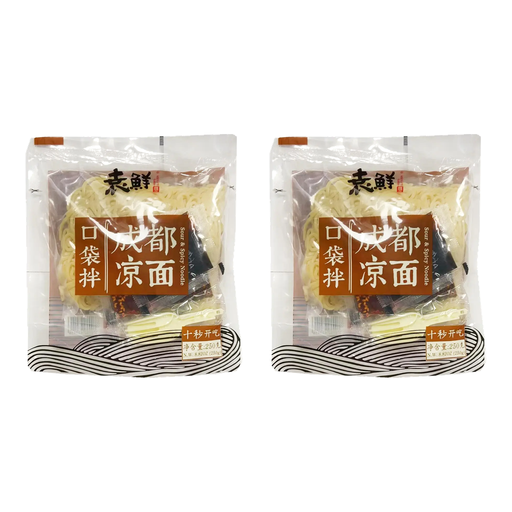
Why This Fits Their Persona: Perfect for a quick work-from-home lunch or a no-cook dinner, this kit delivers a genuine Sichuan flavour experience in minutes. It's ideal for anyone craving something spicy, tangy and satisfying without spending time at the stove.
It sidesteps the "bland instant meal" pitfall. The separate packets for chili oil, vinegar and savory seasonings create a complex, multi-layered sauce that tastes authentic, not like a simple powder mix.
Ready-to-eat: No cooking required. The noodles are pre-cooked and retain a pleasant, springy texture. Just mix and serve.
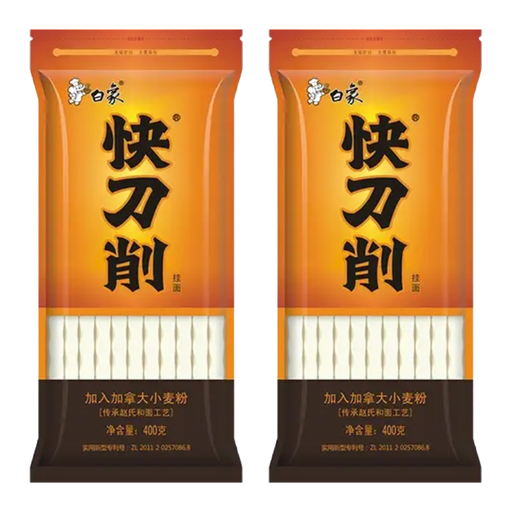
Why This Fits Their Persona: For the home cook who wants to build a dish from the ground up, these dried noodles provide the perfect canvas. Their unique shape is designed to grab onto hearty sauces, making them excellent for dishes like Biang Biang noodles or rich meat sauces.
This product directly counters the "texture disappointment" pitfall. The traditional knife-cut shape—thick in the middle and thin at the edges—provides a satisfyingly chewy and varied bite that you can't get from standard noodles.
Superior Texture: The 8mm wide, uneven shape offers an authentic, wonderfully chewy mouthfeel. Versatile Base: Requires cooking, giving you full control to use it in soups, stir-fries or with your favourite sauce.
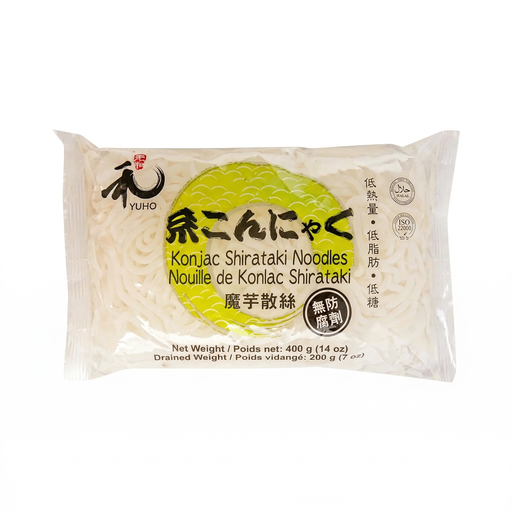
Why This Fits Their Persona: For those managing calorie intake or seeking higher fibre options, these konjac noodles are an excellent alternative. They can be used in hot pots, stir-fries or cold salads, providing the satisfaction of a noodle dish with minimal calories.
It avoids being a poor imitation by offering its own unique properties. Instead of trying and failing to replicate the texture of wheat, it provides a distinctively springy and chewy experience that works on its own terms.
Low Calorie & High Fibre: Made from konjac flour and water, it's a light yet filling option. Flavour Absorbing: The fine, shredded shape is perfect for soaking up the flavours of any sauce or broth it's paired with.
We have compiled a complete, real-time list of products that fully satisfy these strict selection criteria and UK safety regulations.
The key is to use plenty of boiling water and to stir the noodles immediately after adding them to the pot to prevent them from clumping. Once cooked to your desired firmness (al dente is often a good goal), drain them and rinse briefly under cold water. This washes off excess surface starch, which is the main cause of stickiness. If you are not serving them immediately, tossing them with a small amount of oil can also help.
While both are typically wheat-based, the main distinction lies in the use of kansui, an alkaline solution. Japanese ramen almost always includes kansui, which gives the noodles their characteristic springy, chewy texture and yellowish colour. While some Chinese noodles also use it (especially in the south), many northern Chinese styles are made with just flour, water and salt, resulting in a softer, whiter noodle.
Dried noodles are very stable. If stored correctly in a cool, dry place away from direct sunlight and moisture, they can last for a year or more. Once the package is opened, it is advisable to transfer the remaining noodles to an airtight container to protect them from humidity and pests, which will help maintain their quality.