
24/7 Customer Support

Free returns

Same-day & Next-day Delivery

Quality Guaranteed

Unlock Your Welcome Offers: FREE Delivery | Up to 80% OFF | Free 30-day JoyPlus trial
Download the APP
Navigating the world of authentic Chinese noodles can feel overwhelming. You stand in the aisle, or scroll online, faced with dozens of packets. You pick one, hoping to recreate that perfect stir-fry or comforting noodle soup, only to end up with a dish that’s disappointingly mushy or has the wrong texture entirely. It’s a common frustration for many UK home cooks.
As the Joybuy Product Recommendation Officer, my role is to help you see past the confusing packaging and marketing claims. Many shoppers fall into a few common traps: choosing a noodle that disintegrates in a hot pot, or buying a packet of dried noodles expecting a five-minute meal, only to find they require a 30-minute soak. This guide will break down the essential factors for choosing the right noodle for the right dish, ensuring your culinary efforts are always rewarded.
The first step to noodle mastery is understanding the core ingredient, as this dictates texture, cooking time and the types of dishes it suits.
Wheat Noodles: This is the largest and most diverse category. Made from wheat flour, water and sometimes salt or egg, these noodles are prized for their springy, chewy (or 'Q') texture. They are the foundation for countless regional dishes. Within this group, you'll find everything from ultra-thin Long Xu (dragon's beard) noodles for delicate soups to hearty, broad knife-cut noodles perfect for absorbing thick sauces. They are the go-to for most stir-fry noodles and robust soups like Lanzhou beef noodle soup.
Rice Noodles: Made from rice flour and water, these noodles are typically softer and more delicate than their wheat-based counterparts. They are naturally gluten-free and have a smooth texture. You'll find them in various shapes, from the fine threads of rice vermicelli (like Mifen) used in soups and summer rolls, to wider, flat noodles popular in Cantonese and Southeast Asian cooking. They cook quickly and absorb the flavour of broths beautifully.
Starch-Based Noodles (Glass Noodles): These noodles are made from various starches, such as mung bean, sweet potato or tapioca. When cooked, they become translucent, earning them the name glass noodles. Their defining characteristic is a slippery, chewy and gelatinous texture. Sweet potato noodles are famously resilient and a staple ingredient for hot pot noodles as they don't break down during prolonged simmering. Mung bean vermicelli is lighter and often used in salads, soups and as a filling for spring rolls.
Beyond the base ingredient, the form of the noodle plays a crucial role in the final dish.
Thin, Round Noodles: Varieties like Shanghai-style fine noodles or Long Xu noodles are ideal for light, clear broths. Their delicate form cooks quickly and provides a smooth, slurpable texture that doesn't overpower the soup.
Wide, Flat Noodles: Noodles like Shanxi knife-cut noodles or the broad noodles in Biang Biang recipes have a larger surface area. This makes them brilliant at picking up and holding onto rich, flavourful sauces. Their substantial, chewy bite provides a satisfying mouthfeel that stands up to bold ingredients in a stir-fry or a dry-tossed dish.
Instant vs. Dried Noodles:Instant noodles are pre-cooked, fried and dried, designed for maximum convenience. They rehydrate in minutes with boiling water. Dried noodles, on the other hand, are simply raw noodles that have been air-dried for a long shelf life. They require boiling in a pot of water and generally offer a superior, more authentic texture. Always check the packet instructions, as cooking times for dried noodles can range from 3 to 10 minutes.
To help you make a confident choice, here are a few recommendations matched to different cooking needs and preferences.
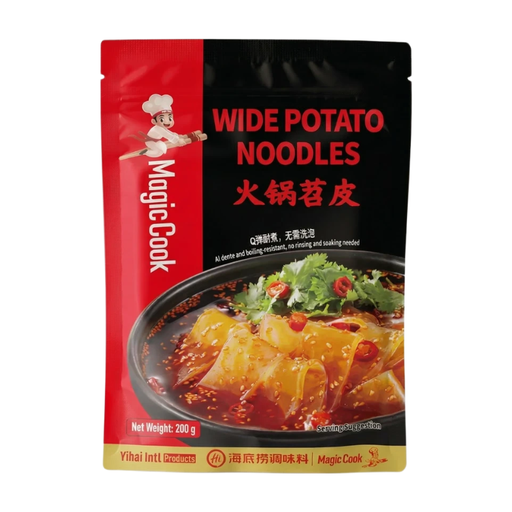
Why This Fits Their Persona: Ideal for anyone hosting a hot pot night. These noodles are designed to be cooked directly in the simmering broth, making them a perfect, interactive part of the meal.
These sweet potato noodles are specifically formulated for hot pot, so they won't turn to mush or disintegrate like standard wheat or rice noodles would after prolonged cooking.
Maintains a satisfyingly springy and chewy texture. Absorbs the rich flavours of the hot pot broth beautifully.
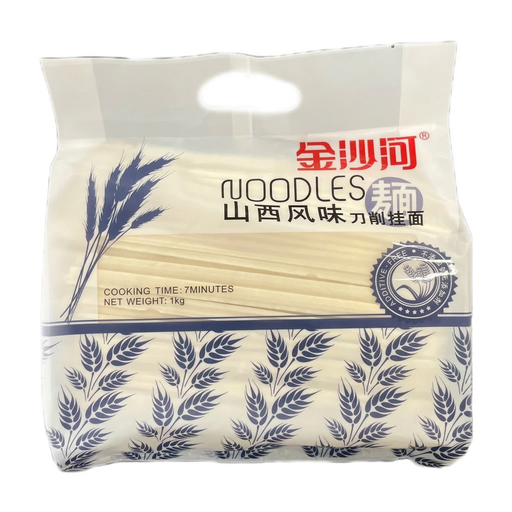
Why This Fits Their Persona: For the home cook dedicated to recreating specific regional dishes, like Shanxi's famous oil-splashed noodles, where the noodle's texture is paramount.
This product provides the authentic, irregular shape and satisfyingly chewy texture of true knife-cut noodles, which cannot be replicated with generic wide noodles.
Excellent sauce adhesion due to its shape. The large 1kg pack offers great value for those who cook noodle dishes regularly.
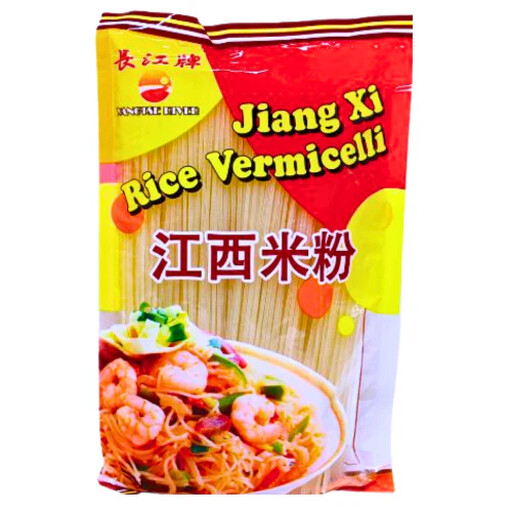
Why This Fits Their Persona: An excellent all-rounder for the home cook who wants a reliable noodle for a wide range of Asian dishes, from Chinese noodle soups to Vietnamese-style salads.
Its simple rice composition makes this rice vermicelli a neutral and highly adaptable base, preventing the flavour clashes or heavy texture that wheat noodles might create in more delicate dishes.
Naturally gluten-free and light. Extremely versatile for use in soups, stir-fries and cold noodle salads.
We have compiled a complete, real-time list of products that fully satisfy these strict selection criteria and UK safety regulations.
The most common cause of mushy noodles is overcooking. Always follow the packet instructions and if in doubt, cook for the minimum recommended time and test for doneness. For stir-fries, it's often a good idea to slightly undercook the noodles, as they will continue to cook in the wok. Rinsing certain types of noodles (like rice noodles) in cold water after boiling can also help to stop the cooking process and remove excess starch.
Although they can look similar when dry, they are very different. Rice vermicelli is made from rice flour and cooks to an opaque white colour with a soft texture. Glass noodles (or cellophane noodles) are made from starch (like mung bean or sweet potato) and become transparent, slippery and chewy when cooked.
Store your dried noodles in a cool, dry place away from direct sunlight, such as a pantry or cupboard. Once the packet is opened, it's a good practice to transfer the noodles to an airtight container to protect them from moisture and pests. Stored correctly, most dried noodles have a very long shelf life, often a year or more.