
24/7 Customer Support

Free returns

Same-day & Next-day Delivery

Quality Guaranteed

Unlock Your Welcome Offers: FREE Delivery | Up to 80% OFF | Free 30-day JoyPlus trial
Download the APP
Navigating the world of Chinese noodles can feel overwhelming. The sheer variety is exciting, but it also makes it easy to pick the wrong type for your intended dish. As a home cook in the UK, you might find yourself staring at a wall of packets, wondering which will give you that perfect chewy texture for a stir-fry or the silky smoothness for a comforting soup. Getting it wrong can lead to a disappointing meal, and nobody wants that.
My role as Joybuy's Product Recommendation Officer is to help you sidestep common shopping pitfalls. Let's look at the frequent missteps that can affect your cooking and how to choose with confidence.
The "Handmade" Hype: Many packets are labelled with terms like "handmade" or "hand-pulled." While some are genuinely crafted using traditional methods, many are machine-made in a style that mimics a handmade texture. This isn't necessarily bad, but it can be misleading. The key is to look at the noodle's shape and description to understand its texture, rather than relying on the marketing term alone. A true hand-pulled noodle often has a slightly irregular shape and a uniquely chewy, elastic bite.
The One-Noodle-Fits-All Myth: Grabbing any packet of wheat noodles and hoping for the best is a recipe for mediocrity. A delicate, thin noodle like somen will break apart in a vigorous stir-fry, while heavy, thick noodles can overwhelm a light broth. The noodle is not just a carrier for flavour; it's a fundamental component of the dish's texture and overall success.
Fresh vs. Dried Confusion: The shelf-stable dried noodles are a fantastic pantry staple, but some products are "fresh wet noodles" that require refrigeration after opening and have a much shorter cooking time. Mistaking one for the other can result in a pot of mushy, overcooked noodles or, conversely, an unpleasantly raw and doughy bite.
To ensure you get the right noodle every time, focus on these three practical characteristics.
This is the most critical factor for matching a noodle to a dish. The shape determines how well it holds sauce and its final mouthfeel.
While most Asian noodles are wheat-based, the specific type of flour or the addition of other grains can significantly alter the taste and texture.
Understanding the noodle's state in the packet is key to proper cooking.
Instead of a generic list, we've matched specific noodles to the home cooks who will appreciate them most.
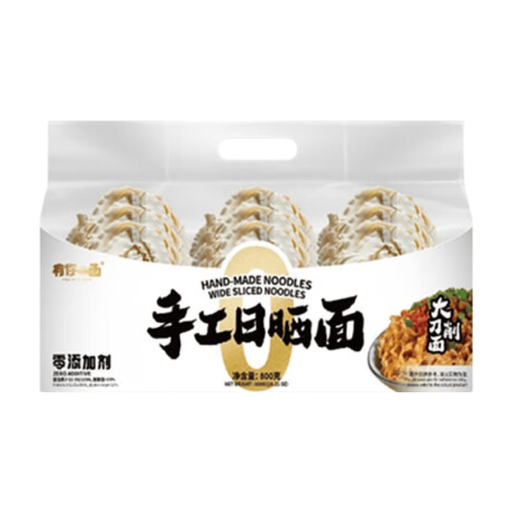
Why This Fits Their Persona: You need a noodle that can handle the heat and vigorous tossing of a stir-fry without falling apart. These wide, flat noodles are robust and offer a satisfyingly chewy texture that pairs perfectly with rich sauces and crunchy vegetables.
This directly counters the "one-noodle-fits-all" myth. Its specific wide noodle shape is engineered for stir-frying, ensuring it won't turn to mush like a thinner noodle would.
Excellent chewy texture that holds up to cooking. The wide surface area is perfect for clinging to sauces.
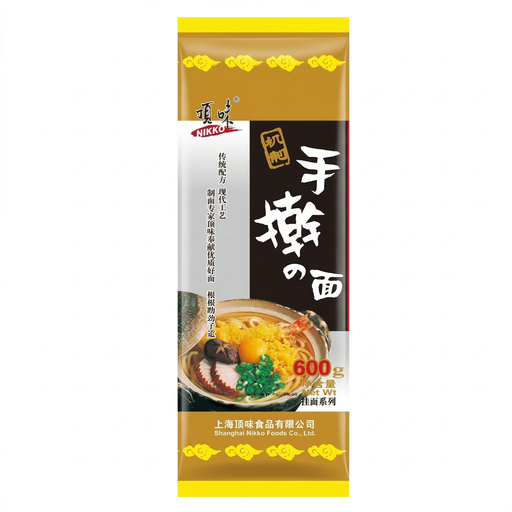
Why This Fits Their Persona: For those craving a restaurant-quality noodle soup at home, texture is paramount. These are fresh-style wet noodles, meaning they cook in just 3-5 minutes and deliver a wonderfully smooth, chewy bite that's perfect for slurping from a rich broth.
This choice clears up the "fresh vs. dried" confusion. As a fresh wet noodle, it provides a distinct texture and quick cooking time that dried noodles can't replicate, giving you an authentic soup experience.
Very fast cooking time (3-5 minutes). The noodles are resistant to overcooking and maintain a pleasant chewiness in soup.
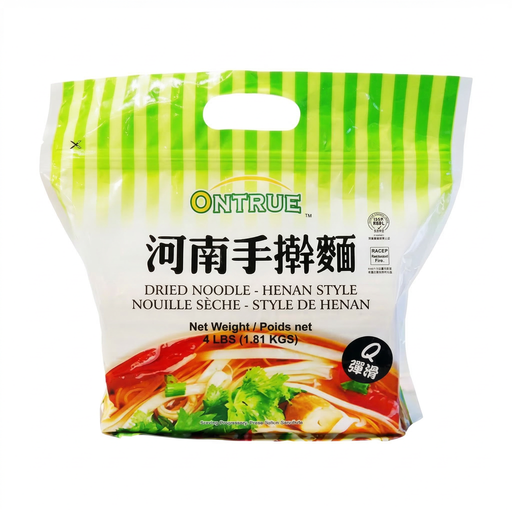
Why This Fits Their Persona: If noodles are a weekly staple in your household, you need a versatile, high-quality option that comes in a large format. This 1.81kg pack of dried Henan-style noodles offers great value and a firm, chewy texture that works well in soups, stir-fries and tossed noodle dishes.
This avoids the "handmade hype" trap by delivering on its promise. The noodles have a slightly rough surface designed to absorb sauces, a characteristic of good quality handmade noodles, providing genuine texture over marketing.
Excellent value with a very large pack size. The versatile texture is suitable for a wide range of Northern Chinese dishes.
We have compiled a complete, real-time list of products that fully satisfy these strict selection criteria and UK safety regulations.
This is a common issue with a simple fix. For dishes that will be stir-fried or served cold/tossed (like lo mein), you should rinse the cooked noodles under cold running water immediately after draining. This washes away excess surface starch and stops the cooking process, preventing them from becoming gummy. For soup noodles, you can add them directly from the boiling water into your serving bowls with the broth, which will keep them separated.
Both are types of handmade noodles, but their preparation method creates very different textures. Hand-pulled noodles (La Mian) are made by stretching and folding a piece of dough repeatedly to create long, smooth and consistently round strands. Knife-shaved noodles (Dao Xiao Mian) are made by shaving thin strips directly from a large block of dough into boiling water. This results in noodles with irregular shapes, ruffled edges and a varied thickness, which are fantastic for catching and holding onto chunky sauces.
While you can, the result will vary. Authentic ramen noodles are treated with an alkaline solution (kansui), which gives them their characteristic yellow colour, springy texture and firm bite. For a good home substitute, look for medium-thickness, chewy wheat noodles. Avoid very thin noodles like somen as they can become too soft, and very wide noodles as they won't provide the classic ramen slurping experience. A good quality dried or fresh-style "handmade" noodle is often a reliable choice.