
24/7 Customer Support

Free returns

Same-day & Next-day Delivery

Quality Guaranteed

Unlock Your Welcome Offers: FREE Delivery | Up to 80% OFF | Free 30-day JoyPlus trial
Download the APP
Stocking a pantry for authentic Chinese cooking can feel like a challenge in the UK. Whether you are recreating family recipes or exploring new flavours, the quality of your core ingredients makes all the difference. However, when you try to buy Chinese groceries online UK, it is easy to fall into common traps, leading to disappointing meals and wasted money.
As the Joybuy Product Recommendation Officer, my role is to help you navigate the market. We will look past the clever packaging and focus on what truly matters, ensuring the Chinese pantry staples you buy are authentic, high-quality and right for your kitchen.
Here are a few pitfalls to be aware of:
dried beans and pulses like adzuki beans or soybeans, only to find they remain hard and unyielding after cooking. This is often a sign of old stock that has been stored improperly, losing its moisture and ability to rehydrate effectively.To ensure you are getting genuine Asian cooking ingredients, focus on a few key details that separate high-quality staples from the subpar alternatives.
The foundation of any good pantry staple is its core ingredient. For items like dried beans, the label should be simple. Look for 100% adzuki beans or 100% soybeans. The region of origin can also be an indicator of quality, as certain areas are renowned for producing superior crops.
For noodles, the composition is critical. Authentic Longkou vermicelli is traditionally made from pea starch or mung bean starch. This gives it a uniquely resilient, chewy and translucent quality. Check the ingredient list; if it primarily lists corn starch or other fillers, it will not deliver the desired texture for dishes like stir-fries or hot pot.
When it comes to authentic tofu products like dried bean curd sticks (fuzhu) or sheets, the way they are made matters. Traditionally crafted versions are made from the skin that forms on top of soy milk. These products have a rich bean flavour and a firm, layered texture that holds up well to braising and stir-frying.
A good quality dried bean curd stick should rehydrate to be pliable yet chewy, not brittle or mushy. Look for product descriptions that mention a high soybean content (e.g., ≥70% soybean) and a texture that is "tender yet chewy" or "holds its shape well".
Do not just rely on the front-of-pack marketing. Take a moment to review the nutritional information per 100g. For those managing their salt intake, this is crucial when buying fermented tofu. For health-conscious individuals, checking the protein content in soybeans or bean curd and the sugar content in pre-made drinks or desserts like red bean porridge, allows you to make an informed choice that aligns with your dietary goals.
To help you start your pantry, here are a few recommendations matched to different cooking styles and needs. Each one is selected based on the practical criteria we have just discussed.
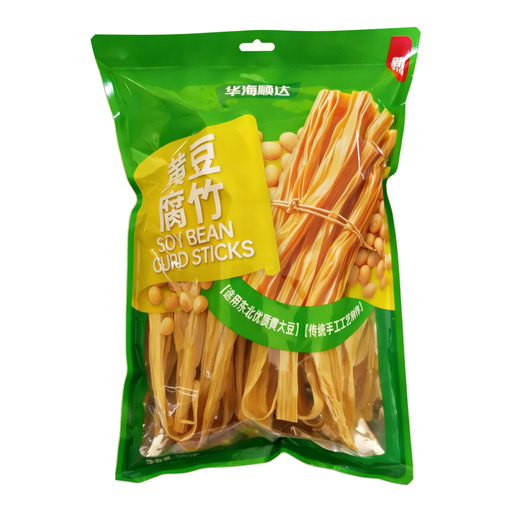
Why This Fits Their Persona: Ideal for anyone seeking versatile, high-protein meat alternatives for their Chinese cooking. It is a foundational ingredient for countless vegetarian dishes, from braises to salads, providing a satisfying texture and absorbing flavours beautifully.
This product avoids the "authenticity illusion" trap. Made with ≥90% soybeans using traditional methods, it rehydrates to a firm, chewy texture that does not disintegrate, unlike inferior, brittle versions.
Extremely high in protein (42.1g per 100g) and holds its shape well in hot pot, stir-fries and stews, making it a reliable kitchen workhorse.
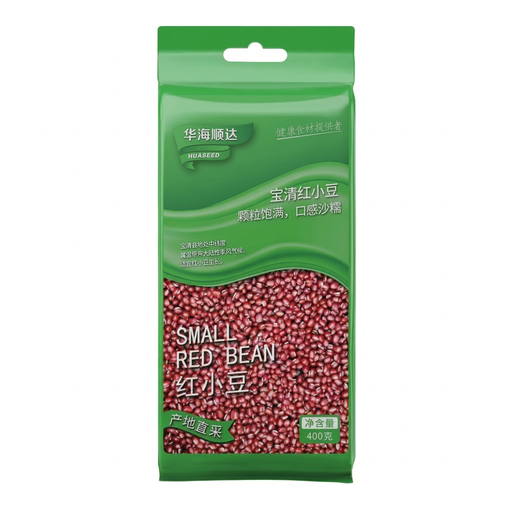
Why This Fits Their Persona: Perfect for those who prefer to make dishes from scratch to control sugar and additives. These adzuki beans are a pure, single-ingredient base for traditional sweet soups, porridges and fillings.
It directly counters the "forever-soaking" beans pitfall. As premium-grade beans from Northeast China, they are fresh enough to soften properly, yielding a smooth, creamy texture. The label is clear: 100% adzuki beans.
High in plant protein (19.9g per 100g) and dietary fibre with 0g of sugar. The plump, uniform grains ensure even cooking and a rich, natural flavour.
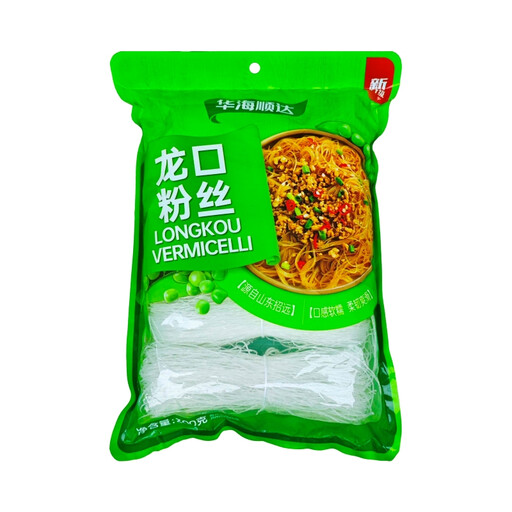
Why This Fits Their Persona: For the home cook who knows that the right noodle is non-negotiable. This is essential for authentic dishes like "Ants Climbing a Tree" (Ma Yi Shang Shu), cold salads and hot pot, where texture is paramount.
This is genuine Longkou vermicelli, made from pea starch. It sidesteps the "authenticity illusion" by providing the correct slippery, chewy bite that absorbs flavour without turning into a starchy mush.
Cooks in just 3 minutes and maintains its integrity. It is also fat-free and low in calories, making it a light yet satisfying component of any meal.
We have compiled a complete, real-time list of products that fully satisfy these strict selection criteria and UK safety regulations.
When stored correctly in a cool, dry and dark place inside an airtight container, most dried beans and pulses can last for at least one to two years. However, freshness is key to their performance. Older beans tend to take much longer to cook and may not soften as well. It is always a good practice to buy from retailers with a high turnover to ensure you are getting a fresher product.
For most items, yes. Dried soybeans, adzuki beans, black beans and mung beans benefit from soaking for several hours or overnight. This rehydrates them, shortens the cooking time and ensures an even texture. Similarly, dried tofu products like bean curd sticks and sheets must be soaked in cold or warm water until pliable before being used in stir-fries or stews. An exception is Longkou vermicelli, which typically only needs to be boiled for a few minutes to soften.
Coix seed, also known as Job's tears or pearl barley, is a popular grain in Chinese cuisine and food therapy. It has a slightly chewy texture and a mild, nutty flavour. It is often used in soups, porridges (congee) and sweet dessert soups (tong sui). Like other grains, it needs to be washed, soaked and thoroughly cooked before consumption. You can find both dried coix seed for cooking from scratch and convenient ready-to-eat porridges that feature it.