
24/7 Customer Support

Free returns

Same-day & Next-day Delivery

Quality Guaranteed

Unlock Your Welcome Offers: FREE Delivery | Up to 80% OFF | Free 30-day JoyPlus trial
Download the APP
Cooking authentic Chinese cuisine at home is a rewarding experience, but sourcing the right ingredients online can feel like a gamble. Many UK home cooks, whether recreating family recipes or exploring new flavours, have faced the disappointment of a long-awaited delivery that doesn't meet expectations.
Before you click 'add to basket', it's worth knowing about a few common pitfalls. Often, what seems like a bargain can lead to bland meals and wasted money. Here are the key issues to watch for when you buy Chinese groceries online:
By learning to look past the marketing and focus on a few key details, you can confidently stock your kitchen with high-quality, genuine Asian cooking ingredients.
To ensure you're getting value and quality, focus on these core parameters. They are the true indicators of a product's worth and will help you build a reliable collection of Chinese pantry staples.
The source of an ingredient often dictates its quality. For many dried beans and pulses, the specific growing region contributes to a superior taste and texture. For example, adzuki beans from Northeast China are often prized for their plumpness and naturally sweet flavour. Similarly, authentic Longkou vermicelli is traditionally made in the Shandong province.
Look for products that specify their origin and, more importantly, have a simple, pure ingredient list. A high-quality bag of soybeans should contain just one thing: soybeans. This transparency is a strong signal that you are buying an unadulterated product.
A trustworthy product will be transparent about its composition. When looking at items like dried tofu products, check for a quantitative ingredient declaration (QUID). A label stating "Soybean ≥90%" is far more reassuring than one without any percentages. This tells you the product isn't padded out with cheaper fillers and that the primary ingredient is of a high concentration, which is essential for achieving the right texture and flavour in your cooking.
How a product is packaged is crucial for maintaining its quality from the warehouse to your pantry. For dried goods like beans, grains and noodles, vacuum-sealed packaging is a significant advantage as it protects against moisture, pests and oxidation, locking in freshness.
Furthermore, clear storage instructions are a sign of a responsible manufacturer. Check that the product provides guidance on how to store it before and after opening. This ensures your authentic Chinese food products UK will remain in prime condition for as long as possible.
To help you navigate the options, we've matched some reliable pantry staples to different types of home cooks, based on their likely needs and priorities.
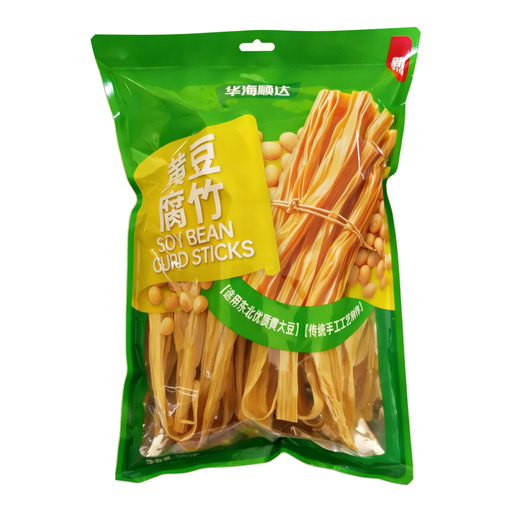
Why This Fits Their Persona: This is a workhorse ingredient for the UK-based home cook. It's a fantastic plant-based protein source that can be used in weeknight stir-fries, weekend braises, or as a key component in Chinese hot pot. Its firm texture makes it very forgiving for those new to using dried tofu products.
It directly counters the vague ingredient pitfall with a clear declaration of Soybean ≥90%. This transparency assures you of its quality and authenticity, ensuring a rich bean flavour.
Extremely versatile and holds its shape well after soaking, making it suitable for cold salads, stir-frying and braising. High in protein (42.1g per 100g).
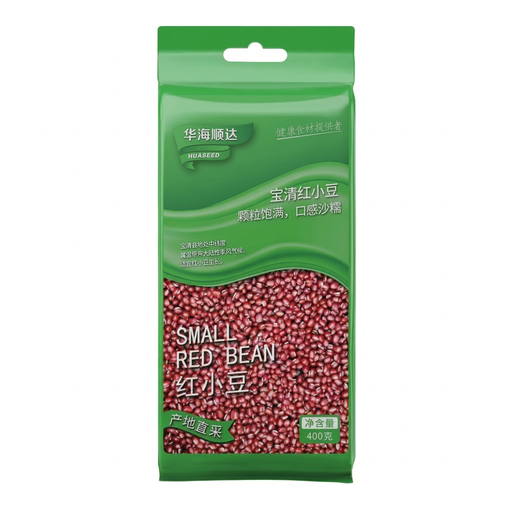
Why This Fits Their Persona: Perfect for those focused on clean eating and whole foods. These adzuki beans are a single-ingredient product, ideal for making nutritious homemade red bean paste, porridges, or sweet soups without any hidden additives or sugars.
This product sidesteps the "authenticity" trap by specifying its premium Northeast China origin. The 100% adzuki bean composition and clear nutritional information provide complete transparency.
A pure, single-ingredient product with no added salt or sugar. It is naturally rich in plant protein (19.9g per 100g) and dietary fibre.

Why This Fits Their Persona: For the adventurous cook wanting to add a powerful umami kick to their dishes. This fermented bean curd is a complex condiment that can be used as a dipping sauce for hot pot, mixed into stir-fried greens, or simply spread on a steamed bun for an intense, savoury flavour.
It avoids the vague labelling trap by specifying Non-GMO SOYBEANS and providing a percentage for key flavouring ingredients like SESAME OIL (1%). This shows a commitment to quality and transparency.
Delivers a complex, savoury and aromatic flavour profile that is difficult to replicate. Its creamy texture makes it easy to incorporate into sauces and marinades.
We have compiled a complete, real-time list of products that fully satisfy these strict selection criteria and UK safety regulations.
Once opened, the shelf life of dried goods depends heavily on storage. Most dried beans and pulses, grains like coix seed and dried noodles should be transferred to airtight containers and kept in a cool, dark and dry cupboard. In these conditions, they can last for many months, but it's always advisable to check the packaging for specific guidance. While they may not "spoil" quickly, their flavour and texture can degrade over time.
Generally, yes. Most dried beans, including soybeans, red beans and mung beans, require several hours of soaking to rehydrate and ensure even cooking. Dried tofu products like bean curd sticks or sheets also need to be soaked in water until they are pliable. The required soaking time can vary from 30 minutes to 8 hours, so always refer to the instructions on the package for the correct preparation method.
While some larger supermarkets have improved their world food aisles, the selection can be limited. Local Asian markets are a great option if you have one nearby. For a wider and more curated selection, specialist online retailers are an excellent choice. They allow you to easily compare products, read detailed ingredient lists and find specific items like Chinese hot pot ingredients or different types of red bean paste that may not be available elsewhere. This makes it much simpler to buy Chinese groceries online with confidence.