
24/7 Customer Support

Free returns

Same-day & Next-day Delivery

Quality Guaranteed

Unlock Your Welcome Offers: FREE Delivery | Up to 80% OFF | Free 30-day JoyPlus trial
Download the APP
As a Joybuy Product Recommendation Officer, I often see how a simple pantry staple can bring immense comfort, especially when it’s a taste of home. For many, that staple is the complex, savoury and utterly satisfying crunch of Chinese pickled mustard greens. Yet, navigating the options available in the UK can be surprisingly tricky. What arrives might be too salty, the wrong texture or simply not the right type for your intended dish.
This guide is designed to help you cut through the confusion. We will look at the common purchasing mistakes and clarify the key details to check, ensuring you find the perfect preserved vegetable for your congee, stir-fries or braised dishes.
To avoid these issues, a quick check of the packaging can tell you everything you need to know. Focus on these three areas to make an informed choice.
Understanding the main types is the first step to getting what you want.
Look at the ingredients list. Are there flavourful additions like chilli oil, Sichuan peppercorns or fermented beans, or is it primarily just mustard greens and salt? For a quick reference, check the nutritional information for the salt content per 100g. This gives you a clear, objective measure of how salty the product is likely to be, helping you choose one that suits your taste and dietary preferences.
The usage instructions are your friend. The label will almost always state if the product is "Ready to eat" or if it requires cooking. A ready-to-eat zhacai is perfect as a condiment for rice or mustard greens for congee, while a product that needs cooking is intended as an ingredient for a larger dish.
Based on these practical criteria, here are a few recommendations matched to different needs and cooking styles.
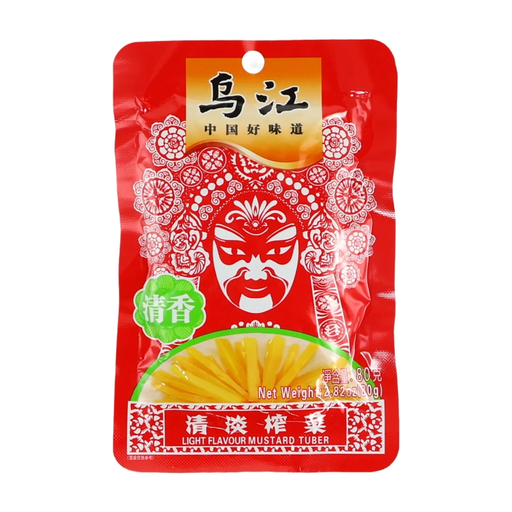
Why This Fits Their Persona: Ideal for students or anyone needing a quick, no-fuss flavour boost for instant noodles, rice or congee. The 80g single-serving packet is convenient and prevents waste.
This is a classic, ready-to-eat zhacai, so there is no confusion about type or preparation. The "Light Flavour" description indicates a conscious effort to manage saltiness, avoiding the salt-overload pitfall.
Retains a satisfying crispy texture with a milder taste. The "ready to eat" instruction on the packet provides absolute clarity.

Why This Fits Their Persona: For the home cook recreating genuine Sichuan pickled vegetable dishes. This isn't just a side dish; it's a core flavouring ingredient for recipes like braised pork or Yibin noodles.
This product is specifically Yibin chopped mustard sprouts (a type of zhacai), avoiding type confusion. Its flavour profile is described as salty, umami and slightly sour, indicating a complex taste beyond just salt.
Made with a traditional process for a distinctive flavour. It's a versatile flavour base for cooking, not just a condiment.
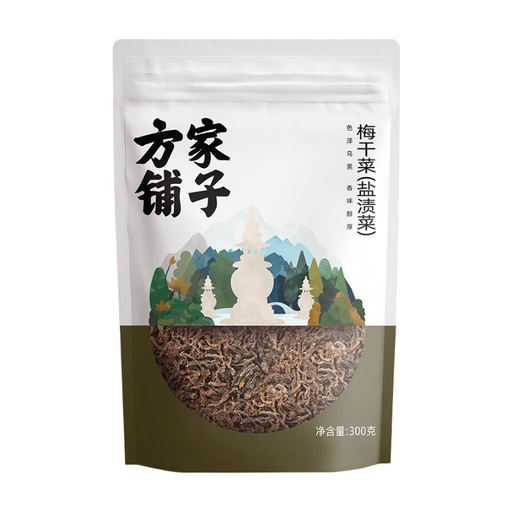
Why This Fits Their Persona: This is for the cook specifically seeking mei gan cai to make classic, slow-cooked Jiangnan dishes like braised pork belly. They understand that preparation is part of the process.
This product clearly identifies as dried pickled mustard greens (mei gan cai) and explicitly states "Cooking required," completely avoiding the ready-to-eat misconception. The simple ingredients (leaf mustard, salt) promise an authentic base flavour.
Authentic dried format for traditional recipes. The instructions to soak and rinse give the cook control over the final saltiness.
We have compiled a complete, real-time list of products that fully satisfy these strict selection criteria and UK safety regulations.
They are all types of Chinese preserved vegetables but differ in production and taste. Zhacai is a crunchy, salty and often spicy pickled tuber, usually ready-to-eat. Suan cai is a fermented, sour-tasting pickled green, often used in soups and stews. Mei gan cai is a dark, intensely savoury dried green that must be rehydrated and cooked, famous in braised dishes.
It depends on the product and your preference. For many ready-to-eat zhacai products, you can consume them directly. However, if you find them too salty, a quick rinse under cold water can help. For dried varieties like mei gan cai or some types of suan cai, rinsing after soaking is a standard step to remove excess salt and any grit before cooking. Always check the package for usage instructions.
Once opened, most pickled mustard greens should be transferred to a sealed container and stored in the refrigerator. They generally remain in good condition for one to two weeks, but it's always advisable to check for any changes in smell or appearance before use. For products packed in oil, ensure the vegetables remain submerged to maintain freshness.