
24/7 Customer Support

Free returns

Same-day & Next-day Delivery

Quality Guaranteed

Unlock Your Welcome Offers: FREE Delivery | Up to 80% OFF | Free 30-day JoyPlus trial
Download the APP
For many, the sharp, savoury crunch of Chinese pickled mustard greens is more than just a condiment; it's a taste of home, a key ingredient in beloved recipes or an exciting new flavour for the adventurous palate. Known widely as zhacai, this Sichuan staple can elevate a simple bowl of rice or form the flavour base of a complex dish. However, when you try to buy zhacai in the UK, the sheer variety can be overwhelming and it's easy to make a disappointing choice.
As a Joybuy Product Recommendation Officer, my role is to help you navigate the options. We've seen where shoppers often go wrong and have identified a few common pitfalls that lead to wasted money and lacklustre meals.
To avoid these issues, it helps to understand a few key parameters. Paying attention to these details will ensure you select the right product for your needs, whether you're making noodles, congee or a classic Sichuan stir-fry.
The term "Chinese pickled vegetables" covers a wide range of products. The most famous is zhacai (榨菜), which is specifically made from the knobbly, swollen stem of the mustard plant. It's pressed, salted and fermented, often with a coating of chilli paste. However, you will also find:
The cut also matters. You can find shredded mustard greens, which are perfect for sprinkling over noodles or fried rice, as well as sliced or whole tuber versions that offer more versatility for cooking.
The flavour of Sichuan pickled vegetables can vary significantly. Always check the description or ingredients for clues:
This is a crucial distinction. Check the product description for phrases like "Ready to eat" or "Serve directly". These are condiments that can be used straight from the packet. If the instructions mention "Soak before use" or "Rinse thoroughly", you have an ingredient that needs preparation before it can be added to a dish. This is especially true for dried varieties and some very salty, brined products.
Based on these practical considerations, we've matched a few standout options to different user needs.
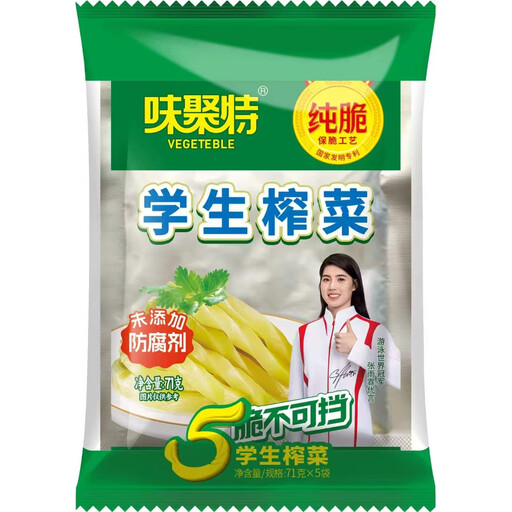
Why This Fits Their Persona: This is ideal for anyone needing a quick, reliable taste of home. The individual 71g packs are perfect for adding to a single meal of noodles or congee without waste. It's a simple, no-fuss solution for a flavourful meal.
The product description highlights its "authentic Sichuan taste" and a patented process for crispness, directly addressing the pitfalls of bland flavour and mushy texture. The single-serving packs ensure freshness with every use.
Ready-to-eat and conveniently portioned. The flavour profile is balanced with a slight sweetness, making it a versatile and approachable condiment.
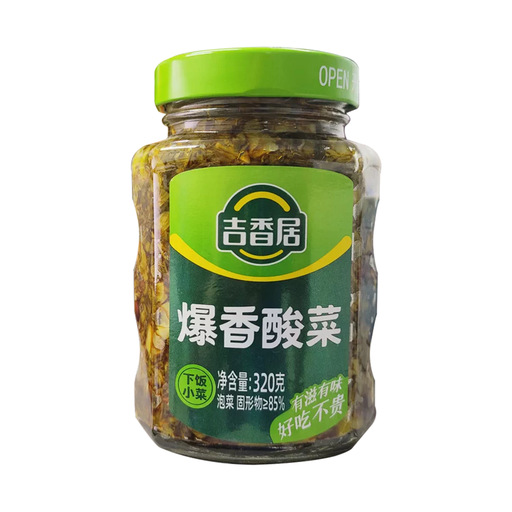
Why This Fits Their Persona: For those exploring Sichuan or wider Chinese cuisine, this product offers a complex base. It's a mixture of mustard greens and cowpeas, infused with spices, making it a versatile ingredient for stir-fries, soups and braises rather than just a simple topping.
Its description clearly positions it as a cooking ingredient ("ideal for stir-frying, soups, noodle dishes"), preventing the usage mismatch pitfall. The combination of multiple vegetables and spices suggests a more complex, authentic flavour profile.
Highly versatile for a range of cooked dishes. The 320g jar provides enough for multiple recipes, offering good value for home cooks.

Why This Fits Their Persona: This is for the person who wants an immediate, fiery flavour boost. The "Red Oil" name and the inclusion of Sichuan pepper in the ingredients promise an aromatic, spicy and numbing experience that is central to authentic Sichuan condiments.
It sidesteps the "bland flavour" trap by explicitly being a spicy, red oil variant. Wu Jiang is a well-known brand, offering consistency and a flavour profile that meets expectations for a classic spicy pickled mustard.
Delivers a robust, spicy and savoury flavour. The ready-to-eat format makes it an effortless way to add a powerful kick to any meal.
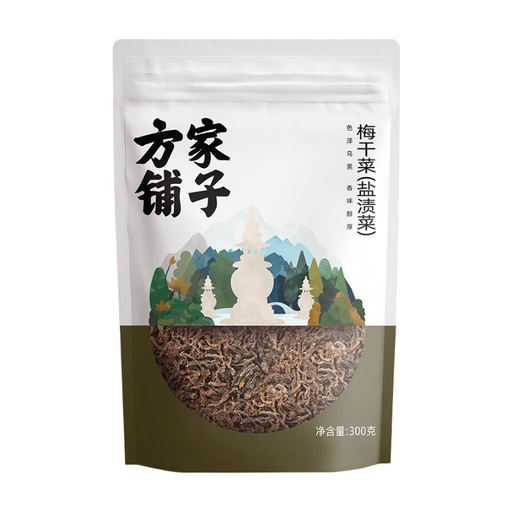
Why This Fits Their Persona: This is the specific ingredient (*mei gan cai*) needed for classic dishes like braised pork belly with preserved greens. It's not a snack or a simple condiment, but a fundamental building block for traditional Jiangnan cuisine.
This product completely avoids the usage mismatch trap by being clearly labelled as a dried ingredient that requires soaking. Its simple ingredient list—leaf mustard and salt—assures an authentic base flavour without unwanted additives.
Provides the authentic, deep umami flavour essential for specific slow-cooked dishes. It is a pure, foundational ingredient for cooks who want control over the final taste of their dish.
We have compiled a complete, real-time list of products that fully satisfy these strict selection criteria and UK safety regulations.
Zhacai specifically refers to the pickled tuberous stem of the mustard plant, known for its firm, crunchy texture. Other pickles like suan cai are made from leaves and have a softer, sourer profile, while mei gan cai is a dried version used in slow cooking. They serve different culinary purposes.
Once opened, most ready-to-eat pickled mustard greens should be stored in a sealed container in the refrigerator and consumed within a week for the best texture and flavour. Dried varieties, once rehydrated, should be used in your cooking promptly. Always refer to the storage instructions on the package.
For ready-to-eat varieties, rinsing is usually not necessary unless you are particularly sensitive to salt. For some very salty, brined products or dried greens, rinsing or even soaking is essential to make them palatable and to control the salt level in your final dish. The product instructions will typically provide guidance on this.