
24/7 Customer Support

Free returns

Same-day & Next-day Delivery

Quality Guaranteed

Unlock Your Welcome Offers: FREE Delivery | Up to 80% OFF | Free 30-day JoyPlus trial
Download the APP
For many, a small packet of Chinese pickled mustard is more than just a condiment; it's a taste of home, a quick fix for a bland meal, or the secret ingredient that elevates a dish. Whether you call it Zha Cai or simply pickled mustard greens, this savoury, crunchy staple is a fixture in kitchens across the UK.
However, navigating the options can be tricky. The sheer variety can lead to common buying mistakes that leave you with the wrong product for your meal. Before you add to your basket, let's look at the pitfalls to avoid.
To ensure you get exactly what you need, focus on two key parameters. Understanding these will help you cut through the clutter and select the right product every time.
The term "Chinese pickled mustard" covers several distinct products. The main types you'll encounter are:
How the mustard is prepared and packaged directly influences its use:
To help you choose, we've matched some popular options to different needs and preferences.
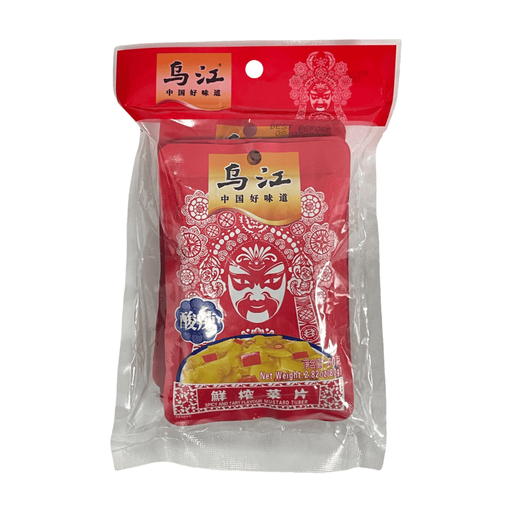
Why This Fits Their Persona: Perfect for students, busy professionals, or anyone in the UK needing a quick, no-fuss flavour boost. It's a simple way to liven up instant noodles, a bowl of rice, or a plain congee without any preparation.
This is a classic ready-to-eat Zha Cai, eliminating the risk of buying a cooking ingredient by mistake. The "Hot & Sour" flavour is clearly stated, so you know exactly what to expect.
Ready-to-eat in a convenient, single-serving 80g sachet. The shredded format is versatile for use as a topping.
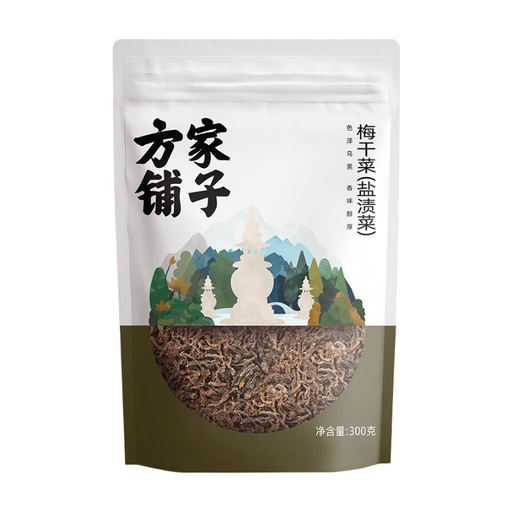
Why This Fits Their Persona: For the cook dedicated to recreating authentic regional Chinese dishes. This is the essential Mei Gan Cai for slow-braised recipes, providing a depth of flavour that ready-to-eat condiments cannot replicate.
This product is clearly a dried cooking ingredient, preventing the "ready-to-eat" pitfall. It gives the cook full control over the final taste and texture after rehydration.
Authentic dried preserved mustard greens for traditional cooking. Requires soaking and cooking, allowing for customised flavour.

Why This Fits Their Persona: For those who believe a meal isn't complete without a fiery kick. This spicy Chinese condiment is perfect for adding a crunchy, flavourful punch to rice, noodles and stir-fries, satisfying a craving for genuine heat.
This product's name and ingredients (chilli, vegetable oil) clearly signal a robustly spicy profile, avoiding the "vague spice" issue. It's a crunchy mustard stem, ensuring the expected texture.
A generous 280g jar offers great value for frequent users. It delivers a satisfyingly spicy and savoury flavour with a pleasant crunch.
We have compiled a complete, real-time list of products that fully satisfy these strict selection criteria and UK safety regulations.
This depends on the type. Ready-to-eat Zha Cai is excellent straight from the packet as a side dish for rice or congee, mixed into noodles, or added to stir-fries for a final touch of flavour and crunch. Dried Mei Gan Cai must be soaked in water to rehydrate and reduce saltiness, then chopped and cooked in dishes like stews and braises.
Before opening, most shelf-stable packets and jars can be stored in a cool, dry place like a pantry. After opening, it is important to refrigerate the leftovers in a sealed container. For jars, use a clean utensil each time to prevent contamination. Always check the packaging for specific storage instructions, as they can vary.
The primary difference is the part of the plant used and the preparation method. Zha Cai is made from the crisp, swollen stem of the mustard plant and is typically sold as a ready-to-eat, crunchy condiment. Mei Gan Cai is made from the leaves of the mustard plant, which are dried to create an intensely flavoured ingredient that must be rehydrated and cooked. They are not interchangeable in recipes.