
24/7 Customer Support

Free returns

Same-day & Next-day Delivery

Quality Guaranteed

Unlock Your Welcome Offers: FREE Delivery | Up to 80% OFF | Free 30-day JoyPlus trial
Download the APP
Chinese pickled radish is a convenient way to add saltiness, heat and crunch to everyday meals. It can be served with congee, rice, noodles and steamed buns, or used as a flavourful ingredient in stir-fries. For UK shoppers, the main challenge is not finding a jar or packet—it is understanding the differences between dried radish, pickled radish cubes, chilli-based condiments and products intended for cooking.
A few common buying traps can lead to an unsuitable purchase:
Check the quantitative ingredient declaration, usually shown as a percentage. For example, UJ Mala Zha Cai lists radish at 93%, while JI XIANG JU Radish Cube lists at least 90%. By comparison, air-dried or oil-seasoned products may list a lower radish percentage because the recipe includes oil, chilli and other seasonings.
The format also affects how you use the product:
“Spicy” can mean different things. A Sichuan pickled radish may contain chilli and Sichuan pepper, creating both heat and a numbing sensation. A spicy pickled radish with vinegar or other acidity regulators can have a sharper, sourer profile. Sweet-spicy varieties contain added sugar or sweeteners and may suit shoppers who prefer a milder contrast.
If you are new to Chinese pickles, individually wrapped portions can help prevent waste and make it easier to control how much salt and heat you add to a meal.
Pickled vegetables are commonly salty because salt forms part of the preservation and seasoning process. Nutrition labels supplied for the products vary considerably: UJ Mala Zha Cai lists 5.5g salt per 100g, JI XIANG JU lists 4.1g and FAN SAO GUANG Spicy Dried Radish lists 5.9g. These figures are for the product as sold, so compare labels rather than relying on flavour descriptions.
Also review the bold allergen information on the packaging. Depending on the recipe, products may contain:
Follow the stated storage instructions. Many sealed products can be kept in a cool, dry cupboard, but opened packets and jars may need refrigeration and prompt consumption.
The following options cover different shopping needs, from portion-controlled packets to larger formats for frequent meals.
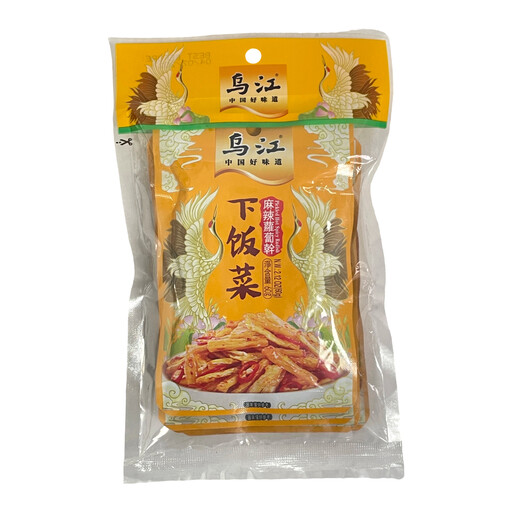
Why This Fits Their Persona: Four individual 60g packets provide a practical introduction to spicy and numbing Sichuan-style seasoning for students, shared flats and smaller households.
The 240g total is divided into sealed portions, reducing the need to open a large pack for a single meal.
Lists 93% radish and is ready to eat with rice, porridge or noodles; it can also be added to stir-fries.
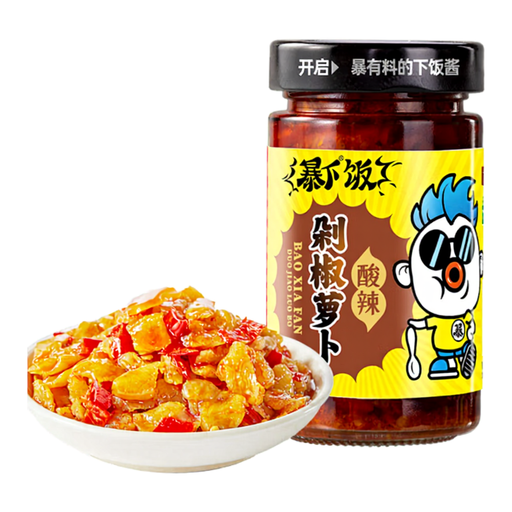
Why This Fits Their Persona: A 200g format suits shoppers looking for a more pronounced spicy-and-sour condiment to serve with several meals.
Its flavour description clearly identifies chilli, sourness and a crunchy radish texture, helping avoid vague “spicy” labelling.
Contains chopped chilli, garlic and vinegar; fish is listed as an allergen through fish sauce.
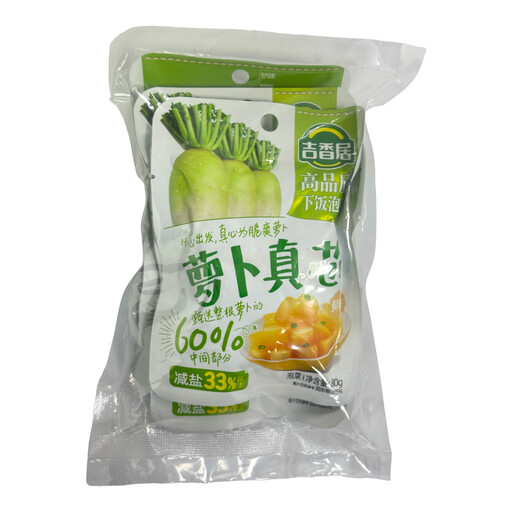
Why This Fits Their Persona: The 400g multipack is convenient for households that regularly serve Chinese pickles with breakfast, packed lunches or evening meals.
Five separate 80g bags make the larger total weight easier to portion than one oversized opened pouch.
Lists at least 90% radish and is ready to eat with porridge, rice, noodles or steamed buns.
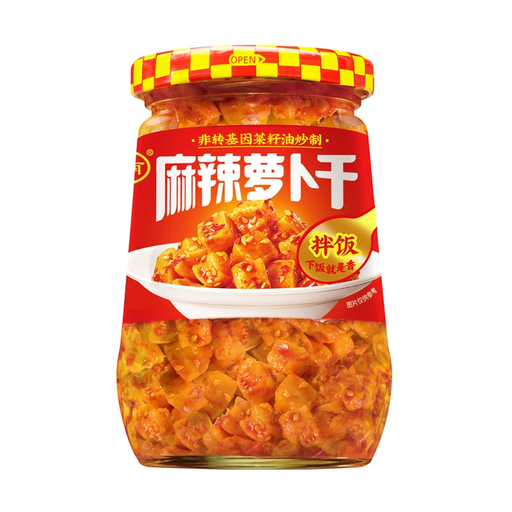
Why This Fits Their Persona: This larger pack is suited to regular cooks who use Sichuan pickled radish with porridge, noodles, steamed buns, rice or minced-meat stir-fries.
The listing identifies the chilli and Sichuan peppercorn content, rather than presenting heat as an unspecified marketing claim.
335g net weight; ready to eat and suitable for use as a rice accompaniment or cooking ingredient. Contains sesame.
We have compiled a complete, real-time list of products that fully satisfy these strict selection criteria and UK safety regulations.
A small portion can change the balance of a simple meal:
Because these products are seasoned, taste the dish before adding extra salt, soy sauce or stock powder.
Many products are ready to eat directly from the sealed packet, jar or pouch. Check the usage instructions, as soup bases and preserved-radish seasonings may require cooking. Use a clean utensil and follow the storage guidance after opening.
The period varies by product. Some instructions recommend refrigeration and consumption within a few days, while others specify a longer period. Always follow the packaging rather than assuming that a sealed product’s shelf life continues after opening.
Not necessarily. Options range from mildly salty radish cubes to spicy-and-sour chilli pickles and Sichuan varieties containing peppercorns. Check whether the ingredients mention chilli, Sichuan pepper, vinegar, sugar or sweeteners to find a flavour profile that suits your meal.