
24/7 Customer Support

Free returns

Same-day & Next-day Delivery

Quality Guaranteed

Unlock Your Welcome Offers: FREE Delivery | Up to 80% OFF | Free 30-day JoyPlus trial
Download the APP
As a Joybuy Product Recommendation Officer, my role is to help you navigate the crowded market of Asian pantry staples. One of the most versatile and flavourful items you can have on hand is Chinese pickled radish. It’s a fantastic condiment that can elevate a simple bowl of rice or noodles into a satisfying meal. However, not all packaged pickles are created equal. Many UK shoppers find themselves disappointed, and it often comes down to a few common purchasing mistakes.
This guide will walk you through the key things to look for, helping you choose a product that delivers the authentic taste and texture you expect, without the guesswork.
A quick search reveals dozens of options, but a promising-looking packet can often lead to disappointment. Here are the main traps to avoid:
To ensure you get a product you'll genuinely enjoy, focus on these three practical characteristics before adding anything to your basket.
The way the radish is prepared directly impacts its texture and best use. There is no single "correct" style; it all depends on how you plan to serve it.
Beyond the cut, the seasoning brine is what defines the pickle. Look at the ingredients list to understand what you're getting.
Based on these practical criteria, here are a few options from our catalogue, matched to different needs and preferences.
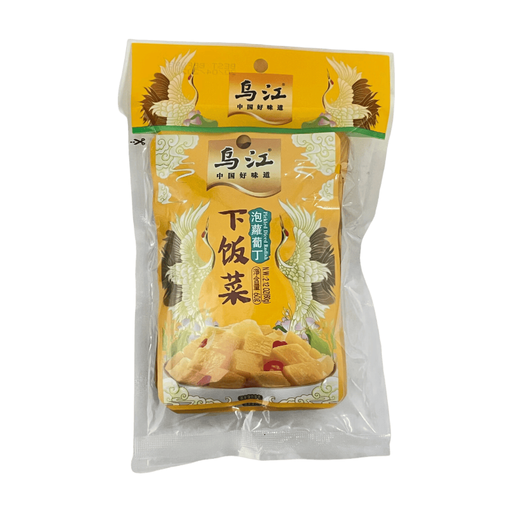
Why This Fits Their Persona: This multipack is ideal for anyone needing a quick, single-serving side dish for a work lunch or a simple dinner. The individual 60g packets ensure you only open what you need, keeping the rest fresh.
The individual packaging prevents the entire batch from going soft after opening, directly solving the "soggy surprise" pitfall. The "Pickled Pepper" flavour is also more descriptive than a generic "spicy" label.
Excellent portion control for maintaining freshness and reducing waste. A classic, ready-to-eat side dish that requires no preparation.
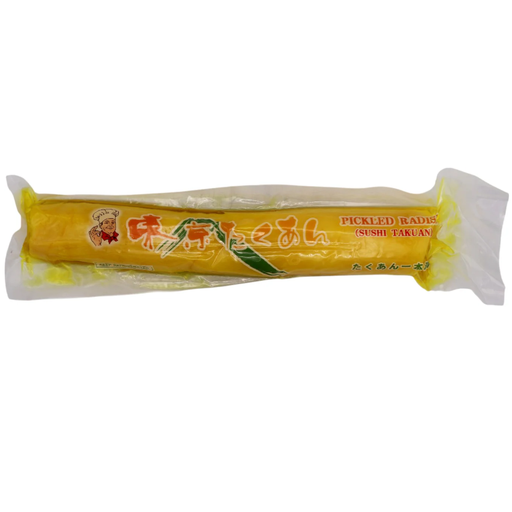
Why This Fits Their Persona: For those seeking the classic taste of a Japanese eatery, this whole-pickle (*ipponzuke*) style takuan is an excellent choice. It's perfect for slicing thinly to serve with sushi, ramen or in a bento box.
This product avoids flavour ambiguity by clearly identifying as takuan, a specific type of Japanese pickled daikon with a distinct salty-sweet profile. The whole-pickle format guarantees maximum crunch, as it's only sliced just before serving.
Authentic Japanese style and flavour. The whole format allows you to customise the slice thickness for different dishes and preserves texture.
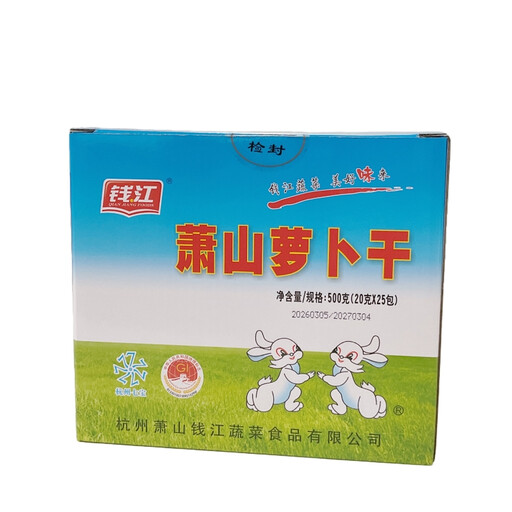
Why This Fits Their Persona: This large 500g pack is perfect for families or those who use pickled radish as a regular cooking ingredient. It provides great value and ensures you have enough on hand for stir-fries, stews or serving with multiple meals.
This product is clearly positioned as a bulk item for frequent use, avoiding the trap of being mistaken for a single-use snack. Its classic, versatile flavour profile makes it a reliable ingredient for cooking, not just a side dish.
A large, economical 500g pack suitable for families and regular cooking. The versatile flavour works well both as a side dish and as an ingredient in other recipes.
We have compiled a complete, real-time list of products that fully satisfy these strict selection criteria and UK safety regulations.
1. How long does packaged pickled radish last after opening? Once opened, most commercially packaged pickled radishes should be transferred to an airtight container, kept refrigerated and consumed within a week or two to enjoy the best texture. Some saltier, preserved varieties may last longer. Always refer to the storage instructions on the specific product's packaging, as recommendations can vary. The signature crunch will diminish the longer it is exposed to air.
2. Is Chinese pickled radish the same as radish kimchi or takuan? While they are all delicious pickled radishes, they are distinct products. Takuan is a classic Japanese pickle made from daikon radish, typically with a sweet, salty and sometimes yellow appearance. Radish kimchi (kkakdugi) is Korean and is fermented with ingredients like Korean chilli powder (gochugaru), garlic and fish sauce for a spicy, sour and deeply savoury flavour. Chinese pickled radish encompasses a huge variety of regional styles, from the numbing and spicy Sichuan versions to the salty, umami-rich preserved radishes of Chaoshan cuisine.
3. What are the best ways to eat Chinese pickled radish? Its versatility is its greatest strength. The simplest way is to serve it straight from the packet as a refreshing side dish to accompany rice, noodles or a bowl of plain congee. You can also chop it up and add it to fried rice or stir-fried noodles for a boost of flavour and texture. It also works wonderfully as a crunchy, piquant filling for steamed buns or savoury pancakes.