
24/7 Customer Support

Free returns

Same-day & Next-day Delivery

Quality Guaranteed

Unlock Your Welcome Offers: FREE Delivery | Up to 80% OFF | Free 30-day JoyPlus trial
Download the APP
For many, a simple jar of Chinese pickled radish is more than just a condiment; it's a taste of home, a quick way to liven up a meal or an essential ingredient for an authentic recipe. Yet, navigating the online options in the UK can be surprisingly tricky. What arrives might be mushy instead of crisp, bland instead of spicy or simply not what you expected.
As the Joybuy Product Recommendation Officer, my role is to help you see past the packaging and make a confident choice. Let's look at the common pitfalls when buying a Chinese pickled radish and how to find the right one for your table.
To avoid these traps, focus on three key product characteristics before you add anything to your basket.
The form of the radish is your first clue to its texture and intended use.
Understanding the origin of the flavour style is crucial for matching the pickle to your palate.
Always check the product description for usage instructions.
Based on these criteria, here are a few recommendations matched to different needs and tastes.
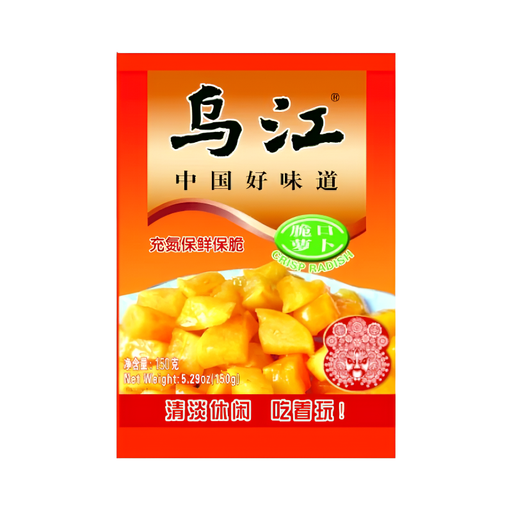
Why This Fits Their Persona: This is for the person who wants a reliable, no-fuss side dish for their morning congee or instant noodles. The Wu Jiang brand is a household name, and its flavour is consistent and approachable. It's the quintessential, convenient pantry staple.
It delivers exactly what the name promises: crispy radish cubes. The texture is reliably crunchy, and the spicy flavour is balanced and not overwhelmingly hot, avoiding both the texture and flavour pitfalls.
Ready to eat straight from the convenient packet. Its high radish content (91.74%) ensures a fresh, vegetable-forward taste.
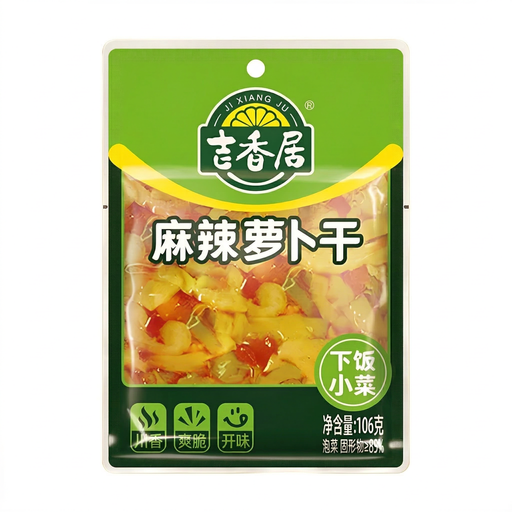
Why This Fits Their Persona: This is for the foodie who craves the genuine, tongue-tingling *mala* sensation. They're not just looking for "spicy"; they want the authentic, multi-layered heat of a true Sichuan radish pickle to elevate their home cooking or enjoy as a potent snack.
The name explicitly states "Mala (Sichuan Peppercorn & Chili)", eliminating any flavour ambiguity. It's made with sun-dried radish strips, setting a clear expectation for a pleasantly chewy texture, not a fresh crunch.
Delivers an authentic Sichuan flavour profile. The chewy texture of the dried radish strips holds the seasoning well and is perfect for stir-fries.
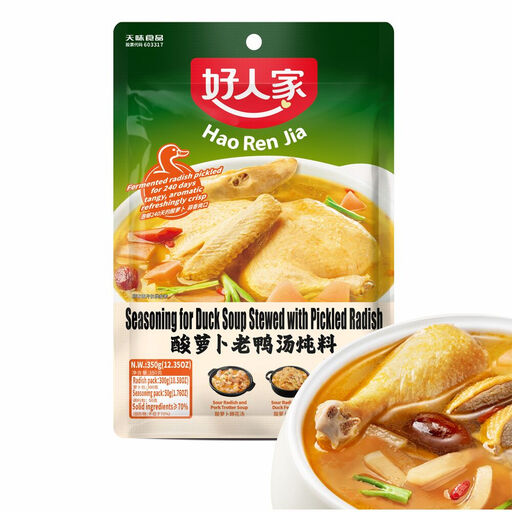
Why This Fits Their Persona: This user wants to recreate a specific, iconic dish: Old Duck and Pickled Radish Soup (老鸭酸萝卜汤). They aren't looking for a simple side dish but a foundational ingredient that provides the authentic sour and refreshing flavour base for a hearty stew.
It is explicitly labelled as a "Seasoning for Duck Soup", which completely avoids the pitfall of mistaking a cooking ingredient for a ready-to-eat condiment. Its purpose is clear and specific.
Provides a convenient, all-in-one solution for a complex dish. The salted fermented radish base delivers an authentic sour and savoury flavour that is difficult to replicate from scratch.
We have compiled a complete, real-time list of products that fully satisfy these strict selection criteria and UK safety regulations.
1. How long does Chinese pickled radish last after opening? Once opened, most commercially packaged pickled radishes should be stored in the refrigerator. It's advisable to consume them within 2-3 weeks for the best texture and flavour. To prevent spoilage, always use a clean, dry utensil to take the product out of its container. Refer to the specific product's packaging for the manufacturer's recommendation.
2. Is Zha Cai the same as pickled radish? While they are both popular Chinese pickles, they are made from different vegetables. Zha Cai (榨菜) is made from the knobbly, swollen stem of a variety of mustard plant. Pickled radish, on the other hand, is made from the root of the radish. They can have similar spicy, salty and savoury flavourings, especially in Sichuan-style preparations, but zha cai has a unique stringy-crunchy texture that is distinct from the crisp or chewy bite of radish.
3. Can I use any pickled radish for cooking? Most ready-to-eat pickled radishes, especially dried radish strips and crispy radish cubes, can be a great addition to fried rice, omelettes or stir-fries. They are best added near the end of the cooking process to retain their texture. However, be mindful of products specifically labelled as a "soup base" or "seasoning," as these are highly concentrated and not suitable for direct consumption or use as a simple topping.