
24/7 Customer Support

Free returns

Same-day & Next-day Delivery

Quality Guaranteed

Unlock Your Welcome Offers: FREE Delivery | Up to 80% OFF | Free 30-day JoyPlus trial
Download the APP
For many in the UK, whether you're recreating a taste of home or exploring the vibrant world of Chinese cuisine, finding the right condiments is key. Chinese pickled radish is a staple that can elevate a simple bowl of rice or congee into a deeply satisfying meal. However, navigating the options online can be tricky. A simple search reveals a huge variety, and it's easy to end up with a product that doesn't meet your expectations.
Many shoppers find themselves caught in a few common pitfalls. First is the "spice lottery," where a jar labelled "spicy" can range from a mild warmth to a fiery intensity that overwhelms the dish. Second is the texture trap; you anticipate a satisfying crunch, only to be met with a soft, mushy radish that lacks bite. Finally, there's the flavour mismatch—buying a sweet-style pickle when you needed a savoury, salty one for your morning congee. These small missteps can lead to disappointment and a jar left unused in the fridge.
As a Joybuy Product Recommendation Officer, my role is to help you sidestep these issues. This guide will break down the essential factors to consider, ensuring you choose the perfect preserved Chinese radish for your palate and pantry.
To avoid disappointment, it helps to understand a few core characteristics that define each type of Chinese pickled radish. Paying attention to these details will help you match the product to your intended meal perfectly.
The final texture of the pickle is heavily influenced by the type of radish used and how it's prepared. Most products use daikon radish, known for its ability to stay crisp after pickling. However, the cut is just as important.
The region of origin often dictates the flavour. Understanding these profiles is the key to avoiding the "flavour mismatch."
Finally, check if the product is ready-to-eat or requires cooking. Most jarred or pouched pickled radishes are ready-to-serve Chinese condiments. However, some products are specifically designed as a seasoning base for soups and stews, like the famous Sichuan duck and pickled radish soup. Buying a soup base by mistake will result in an overly concentrated and salty side dish.
Based on these criteria, here are a few recommendations from our catalogue, matched to different tastes and cooking needs.

Why This Fits Their Persona: This is for the diner who believes a meal isn't complete without a fiery kick. It's perfect for adding a bold Hunan-style heat to noodles, rice or even as a topping for steamed buns.
Its name and description clearly signal a high level of heat ("fiery chopped chillies," "Hunan-style kick"), eliminating the "spice lottery" for those seeking genuine spiciness.
The use of fragrant camellia seed oil provides a unique aroma alongside the heat. The radish is diced, ensuring a consistent crunch in every bite.
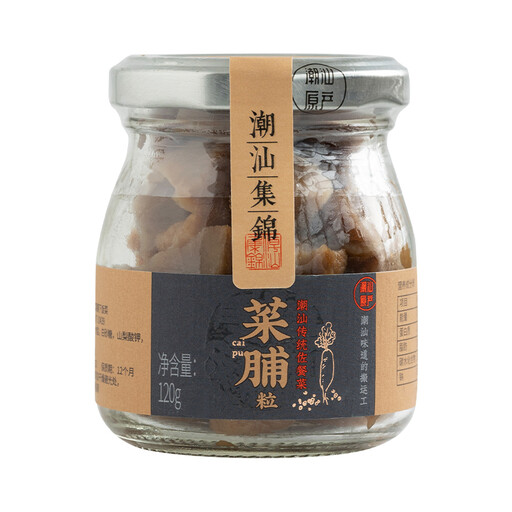
Why This Fits Their Persona: This is for someone craving the comforting, nostalgic taste of a classic Chinese breakfast. Its savoury-sweet profile is the perfect companion for plain congee, rice or even mixed into a simple egg omelette.
By specifying its "Traditional Chaoshan Flavour," it avoids the flavour mismatch. This is not a spicy pickle, but a classic preserved radish with a salty, umami and slightly sweet taste.
This is a versatile pantry staple. The radish is pre-diced and ready to use, saving preparation time for dishes like fried rice or steamed fish.
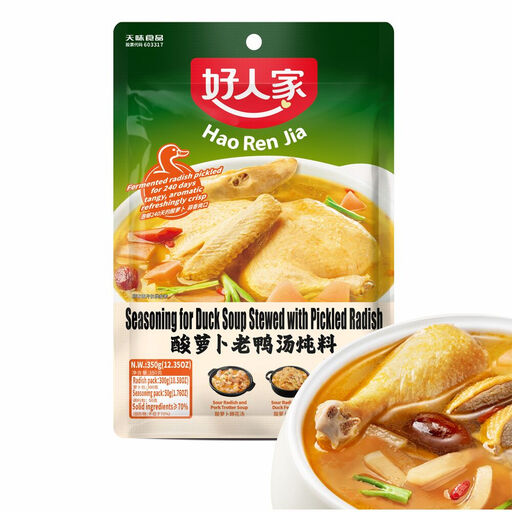
Why This Fits Their Persona: This is for the home cook looking to tackle a classic regional dish. It's not a side dish, but a complete soup base to create an authentic and complex Sichuan duck soup with minimal fuss.
The packaging clearly states it is a "Seasoning for Duck Soup," preventing the common error of buying a cooking ingredient and expecting a ready-to-eat condiment.
It provides a convenient, all-in-one solution for a complex dish, delivering an authentic sour and refreshing Sichuan flavour without needing to source multiple specific ingredients.
We have compiled a complete, real-time list of products that fully satisfy these strict selection criteria and UK safety regulations.
Once opened, most pickled radishes should be stored in the refrigerator. It's important to use a clean utensil each time you take some from the jar to prevent contamination. Depending on the product, it should be consumed within a few weeks. Always check the packaging for specific storage instructions.
Yes, they are quite different. While both are popular pickled vegetables in Asian cuisine, their ingredients and flavour profiles vary. Kimchi is typically made with napa cabbage and a fermented paste of gochugaru (Korean chilli powder), garlic, ginger and fish sauce, resulting in a distinctly sour, spicy and effervescent flavour. Chinese pickled radish is made from daikon radish and can be salty, sweet, sour or spicy, but it generally doesn't have the same deeply fermented character as kimchi.
While you can, some types are better suited for it than others. A ready-to-eat spicy or savoury pickled radish in cubes can be added towards the end of cooking for a crunchy, flavourful boost. Shredded or diced preserved radish (cai po) is excellent for stir-frying with eggs or minced meat from the beginning. It's best to avoid using a soup base, as its flavour is far too concentrated for a stir-fry.