
24/7 Customer Support

Free returns

Same-day & Next-day Delivery

Quality Guaranteed

Unlock Your Welcome Offers: FREE Delivery | Up to 80% OFF | Free 30-day JoyPlus trial
Download the APP
For many of us living in the UK, a simple jar of pickled vegetables is more than just a condiment; it's a direct link to the flavours of home or a key to unlocking authentic Asian cuisine in our own kitchens. Yet, the search for genuine Chinese pickled vegetables can be frustrating. You might find yourself disappointed by products that don't deliver the taste you remember or expect.
As the Joybuy Product Recommendation Officer, my role is to help you navigate the options and avoid common purchasing pitfalls. Many shoppers find themselves let down by a few recurring issues:
This guide will break down the essential factors to consider, helping you choose with confidence and bring those authentic tastes to your table.
To avoid disappointment, it helps to look past the front label and understand a few core characteristics. These details determine the texture, flavour and how you'll use the pickles in your cooking.
The type of vegetable is the foundation of the pickle's character. They are not all interchangeable, and each offers a unique experience.
The liquid the vegetables are preserved in is just as important as the vegetables themselves.
Asian pickles vary dramatically by region. Sichuan pickles are famous for their bold málà (spicy and numbing) flavour. In contrast, pickles from regions like Chaozhou-Shantou might feature a savoury-sweet profile, such as the classic olive vegetable, which is rich and umami-forward without intense heat. Understanding these regional nuances helps you pinpoint the exact taste you're looking for.
Based on these criteria, we've matched a few standout products to different needs and tastes.

Why This Fits Their Persona: For students or professionals with limited time, this is the ultimate meal enhancer. A spoonful instantly transforms plain rice, congee or noodles into a satisfying meal. It requires zero preparation and delivers a consistently delicious, authentic flavour.
This iconic brand is globally recognised for its authentic taste, avoiding the blandness of Westernised imitations. The jar is packed with crunchy pickled mustard stems in fragrant chilli oil, ensuring good value.
Features crisp pickled mustard stems in the brand's signature fragrant chilli oil. It's a versatile, ready-to-eat condiment that offers a perfect balance of spice, saltiness and crunch.
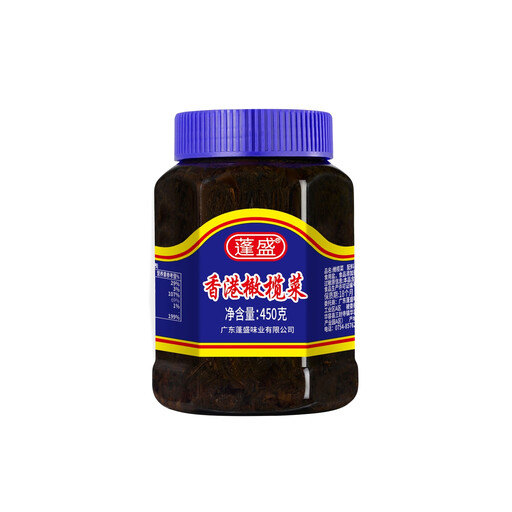
Why This Fits Their Persona: This is for the cook who loves experimenting. Its unique, deeply savoury and slightly sweet flavour is a fantastic base for stir-fried green beans, a seasoning for steamed fish or mixed into fried rice for an instant umami boost.
This product delivers a very specific and authentic Chaozhou-Shantou regional flavour that cannot be easily replicated. It's a rich, dark paste of mustard greens and olives, offering a concentrated flavour that goes a long way.
Made using traditional techniques, it has a rich, glossy texture and a complex savoury flavour with a lingering sweetness. It's a highly versatile cooking ingredient as well as a side dish.
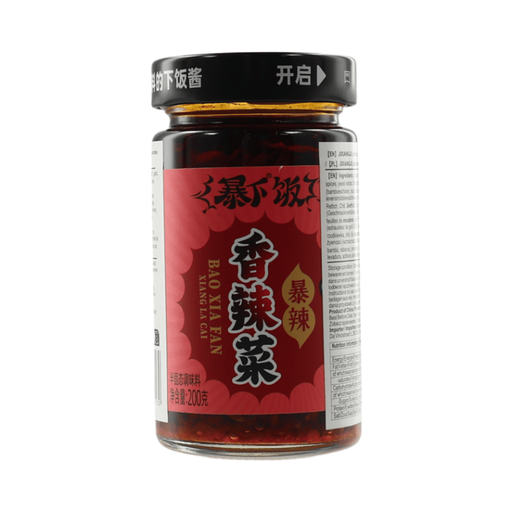
Why This Fits Their Persona: This is for those who are tired of "spicy" products that don't deliver. It's designed to provide a powerful, satisfying heat that cuts through rich foods and brings a serious kick to any meal, living up to its "explosive spicy" description.
It solves the "spice gamble" by committing to a high heat level. The use of 15% chili peppers in the ingredients list is a clear indicator of its potency, ensuring it delivers the intense flavour promised.
Delivers an intense spicy kick and a satisfying crunch from a mix of bamboo shoots, radish and mustard greens. It's a ready-to-eat condiment perfect for instantly adding serious heat and flavour.
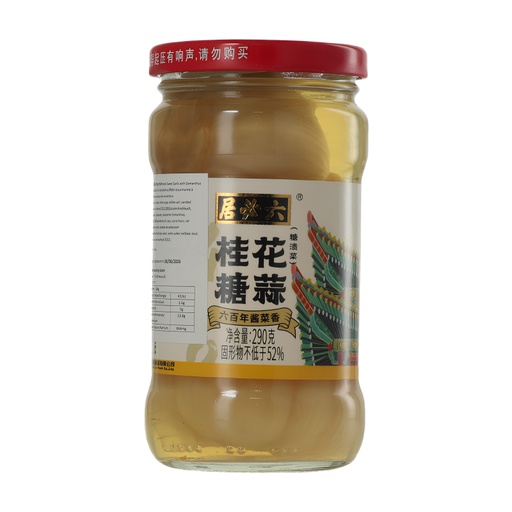
Why This Fits Their Persona: This is for someone seeking a classic, refined flavour beyond just salt and spice. It's a perfect palate cleanser alongside rich meals like hot pot or grilled meat and serves as a nostalgic, elegant appetiser that tastes of tradition.
Liubiju is a time-honoured brand with a history spanning nearly 500 years, guaranteeing authentic craftsmanship. This pickle offers a unique sweet, sour and floral profile that is sophisticated and far from a generic, bland imitation.
Features fresh garlic cured with sweet osmanthus, creating a unique sweet and sour taste with a rich floral aroma. The garlic cloves remain crisp, making for a delightful texture.
We have compiled a complete, real-time list of products that fully satisfy these strict selection criteria and UK safety regulations.
Once opened, most jarred pickles should be refrigerated. For oil-based pickles, ensure the vegetables remain submerged in the oil to maintain freshness. For brine-based ones, keep the lid tightly sealed. It's generally a good idea to consume them within a few weeks to a month for the best texture and flavour, but always check the packaging for specific storage instructions.
Not at all. While Sichuan is famous for its spicy pickles, there is a vast array of non-spicy options. These include savoury pickled mustard greens, sweet and sour pickled garlic or ginger and the rich, umami-flavoured olive vegetable. Always check the ingredients list for chilli or pepper if you prefer a milder taste.
Many are excellent for both. While they are all ready-to-eat side dishes, they can also be fantastic cooking ingredients. Diced zha cai is wonderful in stir-fries and soups, pickled cowpeas are a classic addition to fried rice and pickled chillies can be used to season sauces and braised dishes. Using them in cooking is a great way to add a complex layer of flavour quickly.