
24/7 Customer Support

Free returns

Same-day & Next-day Delivery

Quality Guaranteed

Unlock Your Welcome Offers: FREE Delivery | Up to 80% OFF | Free 30-day JoyPlus trial
Download the APP
A small dish of crunchy, savoury pickles can instantly elevate a simple bowl of rice or noodles. For many, these Chinese side dishes are a taste of home, while for others, they are an exciting gateway into the complex flavours of Chinese cuisine. However, navigating the world of Chinese pickled vegetables in the UK can be tricky. It's easy to end up with a product that doesn't quite hit the mark, leading to disappointment and a half-empty jar lingering in the fridge.
As a Joybuy Product Recommendation Officer, my role is to help you sidestep these common issues. Let's look at the frequent pitfalls and how to choose the right product for your pantry.
Sichuan pickles or other regional specialities.To avoid these traps, focus on a few core details on the product label. This will help you find the perfect congee accompaniments or crispy vegetable snacks for your needs.
The foundation of any pickle is the vegetable itself. Different types offer distinct textures and flavours:
ready to eat Asian vegetables that pair well with almost anything.The cut—shredded, sliced or whole—also impacts how you might use it. Shreds are great for mixing into rice, while larger pieces work well as a standalone side dish.
Look at the ingredients list to understand the flavour profile. This is where you can identify authentic Chinese condiments and avoid overly simplified tastes.
Finally, consider the product's primary purpose. Is it a traditional pickle meant to accompany a meal, or is it a modern crispy vegetable snack?
Based on these criteria, here are a few options tailored to different needs and lifestyles in the UK.
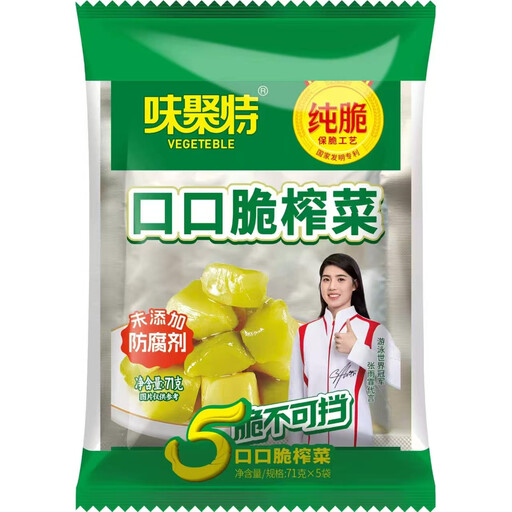
Why This Fits Their Persona: Perfect for anyone needing a quick, single-portion flavour boost for instant noodles or a packed lunch. The individual 71g packs mean no food waste or bulky jars taking up space in a shared kitchen.
It directly counters the value trap for single users; you only open what you need. The brand's description mentions a specific crisping technology, addressing the soggy texture concern head-on.
Excellent portion control and portability. Delivers an authentic Sichuan mustard green flavour.

Why This Fits Their Persona: This is a classic, versatile staple. The 300g jar is ideal for someone who cooks regularly and wants to use pickles as both a side dish and an ingredient in stir-fries, steamed fish or soups.
This product delivers the traditional tangy, spicy and savoury flavour of pickled mustard greens, avoiding the bland, Westernised flavour pitfall. The larger jar size offers better value for frequent use.
Highly versatile for cooking or as a side. A foundational flavour profile for exploring Chinese cuisine.
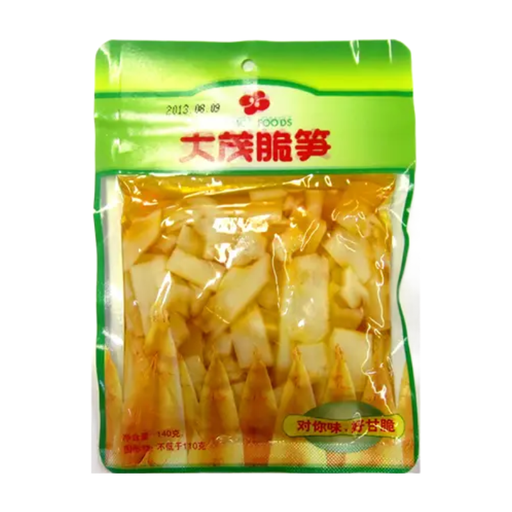
Why This Fits Their Persona: For those who love a classic bowl of congee, the right accompaniments are non-negotiable. The tender-crisp texture and savoury sesame flavour of these bamboo shoots provide the perfect contrast to the soft, mild porridge.
It delivers on the "crisp" promise with a satisfying texture that holds up well. The flavour is savoury and aromatic from sesame and chilli oil, not just one-dimensionally salty, avoiding the flavour disconnect.
A classic congee pairing that is ready-to-eat. The balanced savoury flavour enhances rather than overpowers the meal.
We have compiled a complete, real-time list of products that fully satisfy these strict selection criteria and UK safety regulations.
1. How long do Chinese pickled vegetables last after opening? Once opened, most jarred pickles should be kept refrigerated and consumed within the period stated on the packaging, which is typically from a few days to a couple of weeks. Always use a clean utensil to take them out to prevent contamination. Single-serve packs are designed to be eaten in one go.
2. Are all Chinese pickles very spicy? Not at all. While Sichuan pickles are famous for their heat, many other varieties are purely savoury, sweet and sour or salty. Products like pickled radish or cucumber are often not spicy and serve as a refreshing counterpoint to a meal. Always check the ingredients for "chilli" or "pepper" if you are sensitive to spice.
3. What's the difference between pickled vegetables and crispy vegetable snacks? The main difference is the preparation and how they are eaten. Pickled vegetables are preserved in a brine or oil and are meant as a flavourful condiment or side dish. Crispy vegetable snacks, like the Hedgehog Algan Puffed Pumpkin Crisps, are typically baked or dehydrated, have a light and airy texture and are designed to be eaten on their own like a bag of crisps.