
24/7 Customer Support

Free returns

Same-day & Next-day Delivery

Quality Guaranteed

Unlock Your Welcome Offers: FREE Delivery | Up to 80% OFF | Free 30-day JoyPlus trial
Download the APP
For anyone living in the UK craving a taste of home or an adventurous foodie looking to liven up a meal, ready-to-eat Chinese pickled vegetables are a pantry essential. They can transform a simple bowl of rice or noodles into a flavour-packed dish in seconds. However, navigating the online options can be tricky. Vague descriptions and unfamiliar terms can lead to buying something that's either too fiery for your palate or comes in a giant jar you'll never finish.
As a Joybuy Product Recommendation Officer, my role is to help you sidestep these common issues. Let's look at the key pitfalls to avoid when shopping for these delicious Chinese side dishes:
To ensure you get exactly what you're looking for, focus on these three core factors before adding anything to your basket.
The term "Chinese pickled vegetables" covers a wide array of ingredients, each with a unique texture and taste. Knowing the base vegetable is the first step to finding your favourite.
The marinade is what gives each product its distinct character. Here are some common terms you'll encounter when looking for Chinese condiments in the UK:
Consider how you plan to use the product.
Based on these practical considerations, here are a few options tailored to different needs and preferences.

Why This Fits Their Persona: Perfect for someone needing a quick, no-fuss flavour boost for instant noodles, congee, or a simple rice meal after a long day of lectures or work. The multi-pack format is easy to store in a dorm or small flat.
Directly solves the "Packaging Predicament." The 80g individual sachets ensure freshness for every meal and eliminate the waste associated with a large, opened jar.
The "Sour and Spicy" profile is a classic, appetising flavour that's reliably delicious. As a product from WuJiang pickles, it offers consistent quality.
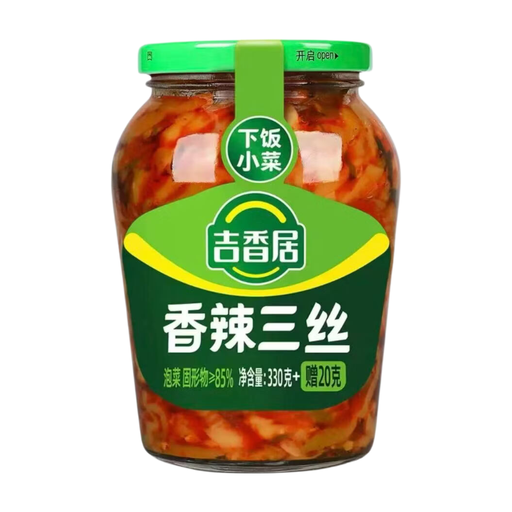
Why This Fits Their Persona: For the home cook who loves exploring complex textures and authentic Sichuan pickles. This isn't just a side dish; it's an ingredient that can be used in stir-fries, noodle soups, or steamed fish to add a layer of savoury depth.
Avoids the "Flavour Profile Gamble" by being specific. The "Triple Shredded" name indicates a mix of pickled mustard tuber, radish and kelp, promising a more complex texture than a single-ingredient pickle.
The combination of three different vegetables provides a fantastic textural contrast. The 350g jar is practical for someone who will use it regularly in their cooking.
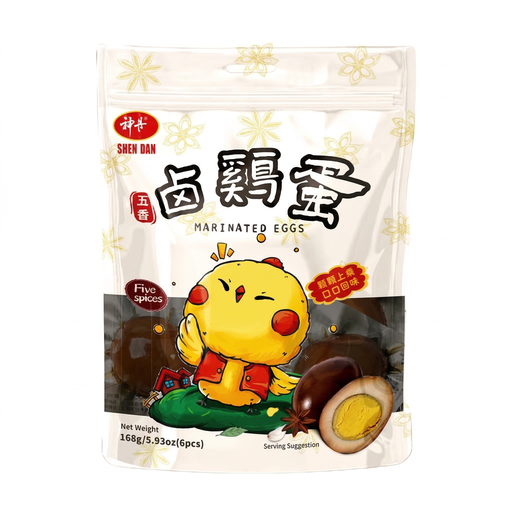
Why This Fits Their Persona: For those seeking a savoury, protein-rich snack that's ready to eat anytime, anywhere. These marinated quail eggs are perfect for a post-gym bite, a lunchbox addition, or a satisfying nibble between meals.
This product avoids the "Ambiguous Ingredients" trap by clearly stating its well-known "Five-Spice" flavour profile, which is aromatic and savoury, not spicy. It's a familiar and comforting taste for many.
It's a nutritious, high-protein snack that's more substantial than vegetable pickles. The ready-to-eat format offers ultimate convenience for a busy UK lifestyle.
We have compiled a complete, real-time list of products that fully satisfy these strict selection criteria and UK safety regulations.
1. What is Zhacai and how do you eat it? Zhacai is a type of pickled mustard green stem, originating from the Sichuan region of China. It has a distinctive salty, spicy and savoury flavour with a satisfyingly crunchy texture. It's most commonly eaten as a simple side dish (or xiaocai) to accompany plain rice, congee (rice porridge), or noodles. You can also chop it up and add it to stir-fries, fried rice, or even scrambled eggs for an extra kick of flavour and texture.
2. Do Chinese pickled vegetables need to be refrigerated? It depends on the packaging. Shelf-stable, vacuum-sealed sachets can be stored in a cool, dry cupboard until you're ready to eat them. However, once any package—sachet or jar—is opened, it's important to store the leftovers in the refrigerator. For best quality and safety, you should aim to consume the contents of an opened jar within one to two weeks.
3. Are Chinese pickles a healthy choice? Like most preserved foods, Chinese pickled vegetables should be enjoyed in moderation. They are a fantastic way to add a huge amount of flavour to a meal for very few calories. However, it is important to be mindful of their sodium content, which can be quite high due to the curing process. If you are monitoring your salt intake, you can look for "light flavour" versions or even give the pickles a quick rinse under cold water before eating to remove some of the excess salt.