
24/7 Customer Support

Free returns

Same-day & Next-day Delivery

Quality Guaranteed

Unlock Your Welcome Offers: FREE Delivery | Up to 80% OFF | Free 30-day JoyPlus trial
Download the APP
For UK shoppers, Chinese pork products cover a wide range of choices: frozen raw cuts, braised pork, pork ribs, pork trotters, pork intestines, ready-to-eat Chinese meals and self-heating rice bowls. The right option depends less on packaging claims and more on how much preparation you want, how you store food and which ingredients suit your household.
Students may want a hot meal without a cooker, while families might prefer a 500g or 700g pack for batch cooking. Home cooks may prioritise plain pork cuts that work in Chinese pork dishes, whereas others may want a pre-seasoned meal for a packed lunch or busy weekday.
Some products are fully cooked and only require reheating, while others are frozen raw meat and must be cooked thoroughly. For example, braised pork intestines and pork trotters may be pre-cooked, but frozen pork ribs such as Kinda Pork Ribs 700g require defrosting and cooking. Garlic baby back ribs are seasoned but still require cooking.
Always check the preparation instructions rather than relying on words such as “convenient”, “traditional” or “authentic”.
A self-heating rice meal can usually be stored in a cool, dry place, whereas frozen pork products generally require storage at -18°C or below. Refrigerated meals may need to be consumed by a use-by date and stored at 0–4°C.
A product is poor value if it does not fit your freezer space or delivery routine. Check whether the pack must remain frozen, whether it can be refrozen and how soon it should be eaten after opening.
“Rich”, “mellow” and “savoury” describe taste, not nutritional value. Sauces, seasonings and preserved vegetables can contribute considerable salt, sugar or fat. Compare the nutrition panel per 100g and check the serving size before buying several packs.
For instance, the Zi Hai Guo Sichuan-Style Braised Pork Fried Rice Bowl lists 2,000mg sodium per serving. This does not make it unsuitable for everyone, but it is a useful figure to consider when planning the rest of your meal.
Look for one of these clear descriptions:
For UK households, follow the label’s cooking instructions and use a food thermometer where practical. The product information may specify an internal temperature such as 70°C or 75°C. Do not microwave aluminium pouches or self-heating packs unless the packaging expressly permits it.
The cut determines how you can use the product:
Pack size matters too. A 200g ready-to-eat pack may suit one or two servings, while a 700g or 1kg frozen pack is more practical for family cooking or meal preparation.
Chinese cooking seasonings frequently include soy, wheat, sesame, oyster sauce or cooking wine. Read the allergen statement every time, particularly if you are buying mixed meals or snacks.
Examples include:
Ingredients such as flavour enhancers, sugar, oil and salt can vary considerably between products. If you want greater control, choose plain pork ribs or pork collar and add your own Chinese cooking seasonings.
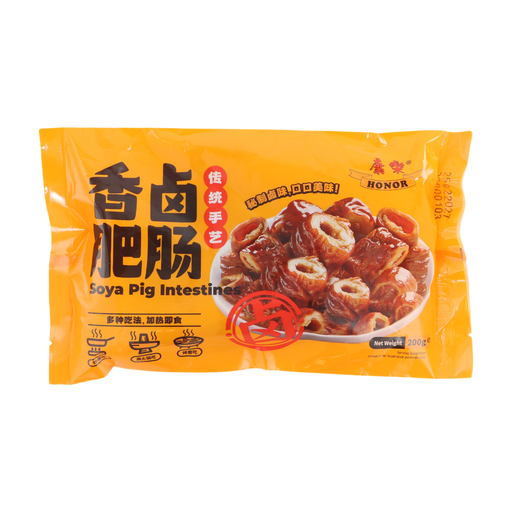
Why This Fits Their Persona: A compact pre-cooked pack for students, first-time buyers and shoppers who want to add a small portion to noodles, soup or rice.
It is described as pre-cooked, so it is not presented as raw meat. The label also identifies soy and wheat allergens and gives reheating guidance.
200g pack; can be sliced for stir-fries, soups or noodles; seasoned with star anise, cinnamon and Sichuan peppercorn.
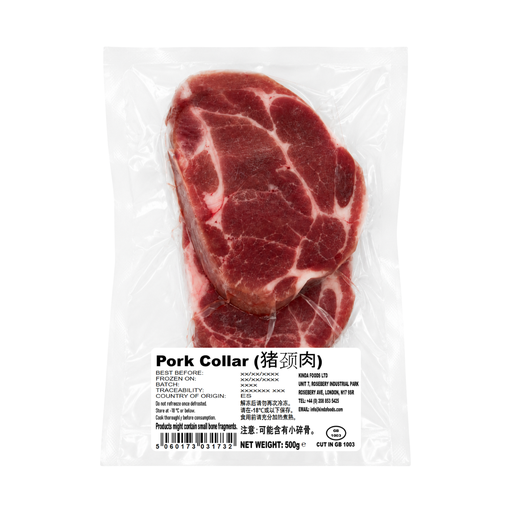
Why This Fits Their Persona: Suits home cooks seeking a plain, versatile cut for stir-frying, grilling, char siu-style preparation or meal prep.
The ingredient list states 100% pork, avoiding a pre-seasoned sauce that may limit recipe choices or add unexpected allergens.
500g family pack; frozen at -18°C or below; suitable for several Chinese cooking methods.
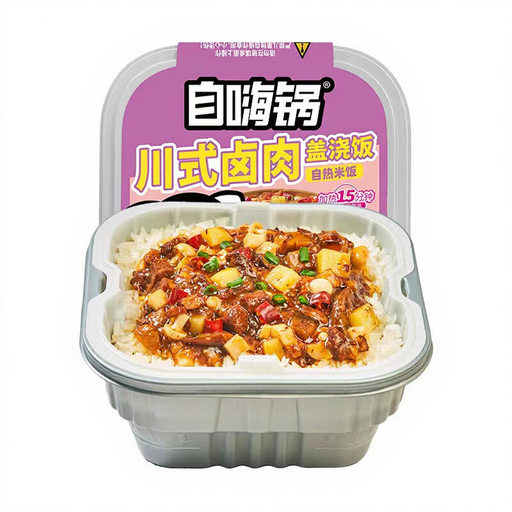
Why This Fits Their Persona: Designed for a hot meal when a hob or microwave is unavailable, including study breaks, travel and outdoor use.
Its self-heating function is clearly specified, with separate instructions and a warning to keep the heating pack away from water before use.
262g individual meal; no external heat source required; ambient storage and soy and wheat allergen information provided.
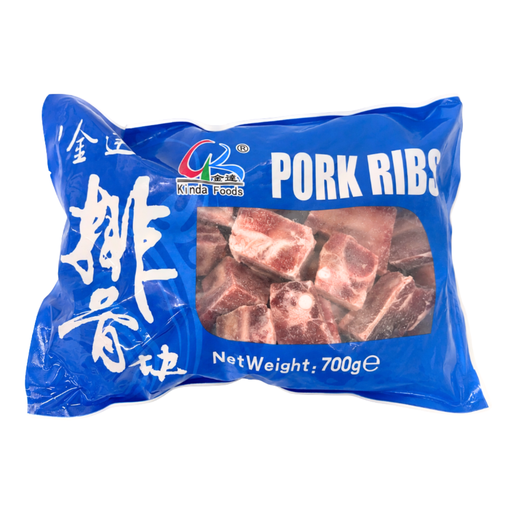
Why This Fits Their Persona: A larger raw pack for households planning braised pork ribs, stews, sweet-and-sour dishes or multiple meals.
It is clearly labelled as frozen raw pork ribs, so the buyer knows to allow defrosting and a longer cooking time of around 40–90 minutes depending on the dish.
700g quantity; 100% pork ribs; no added seasoning, allowing you to control soy sauce, sugar and Chinese cooking seasonings.
We have compiled a complete, real-time list of products that fully satisfy these strict selection criteria and UK safety regulations.
For a ready-to-eat Chinese meal, consider braised pork intestines, pork trotters, pork meatballs or pork with preserved vegetables. These can be served with rice, noodles or steamed greens, but check whether they are refrigerated or frozen.
For lighter preparation, frozen garlic baby back ribs can be finished in an oven, fryer or air fryer. For a more traditional cooking project, a plain pork collar or pork ribs pack gives you control over marinades and cooking time.
Chinese cooking seasonings can also reduce preparation work. A 30g Hua Hai Shun Da stew seasoning sachet is portioned for approximately 1–2kg of meat, while Jiadianziwei Classic Braised Pork Seasoning 50g and Haidilao Braised Pork Seasoning Sauce 200g are suited to braising pork belly, trotters or other cuts. Check their high salt content and soy or wheat allergens before use.
Many are frozen, particularly raw pork cuts and ready-to-cook dishes. However, some braised products are refrigerated, ambient or pre-cooked. Check the storage section on the product page and packaging, and do not refreeze food after it has thawed unless the label specifically permits it.
Choose ready-to-eat or self-heating meals when time, equipment or portability is the priority. Choose raw pork belly, pork ribs or pork collar when you want larger portions, recipe flexibility and control over seasoning. Raw products usually require more cooking time and freezer planning.
Steamed rice, noodles, pak choi, Chinese cabbage and quick stir-fried vegetables balance rich sauces. Because many prepared Chinese pork dishes already contain soy sauce or seasoning, taste the dish before adding extra salt.