
24/7 Customer Support

Free returns

Same-day & Next-day Delivery

Quality Guaranteed

Unlock Your Welcome Offers: FREE Delivery | Up to 80% OFF | Free 30-day JoyPlus trial
Download the APP
For many in the UK, the world of Chinese preserved plums is a delightful discovery of intense, complex flavours. Whether you're seeking a nostalgic taste of home, exploring new Asian snacks or simply looking for a treat that balances sweet, sour and salty notes, these candied plums offer a unique experience. However, navigating the online marketplace can be tricky. With a vast array of styles and descriptions, it's easy to end up with a product that doesn't meet your expectations.
As a Joybuy Product Recommendation Officer, my role is to help you understand the key differences and avoid common purchasing pitfalls. Here’s how to choose the right pack of dried plums for your palate without falling for marketing hype.
To ensure you get a snack you'll genuinely enjoy, focus on these three core factors before adding anything to your basket.
The taste of preserved plums is determined by their preparation. It's more than just drying fruit; it's a craft.
The ingredient list is your most reliable guide to flavour and quality. Pay attention to:
How the plums are packed affects convenience and freshness.
Based on these criteria, we've matched several products to different preferences and needs.
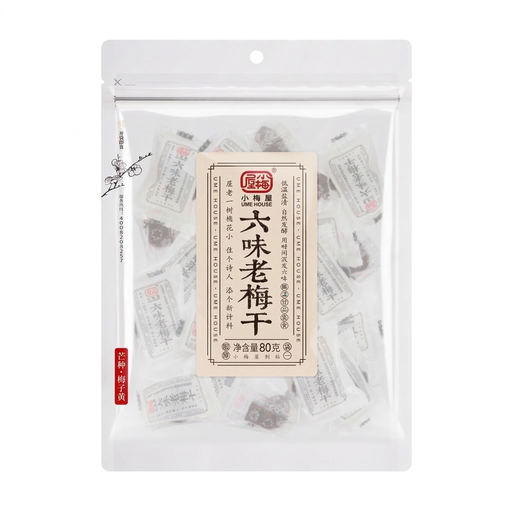
Why This Fits Their Persona: This is for someone seeking the authentic, multi-layered taste of traditionally crafted preserved plums, reminiscent of what one might find in a specialty shop in East Asia.
It directly counters the "flavour mismatch" pitfall. The product description highlights a traditional recipe that blends complex salty, sweet and sour notes, setting a clear expectation for a rich, not one-dimensional, taste.
Delivers a rich, long-lasting flavour experience. It's also versatile enough to be used in drinks or cooking, not just as a snack.
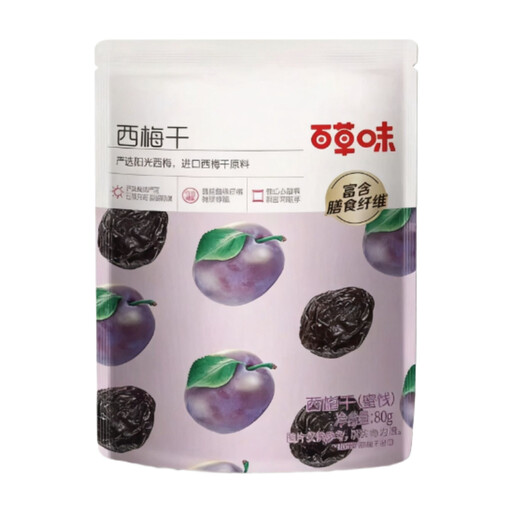
Why This Fits Their Persona: Perfect for busy professionals or parents in the UK who need a convenient, mess-free snack for their bag, desk drawer or a child's lunchbox.
This product avoids the "texture gamble." The individual wrapping ensures each plum remains soft and fresh, preventing the entire batch from drying out and providing a consistent experience every time.
They are pitted for easy, hassle-free eating. The use of Chilean prunes provides a naturally sweet and plump base.
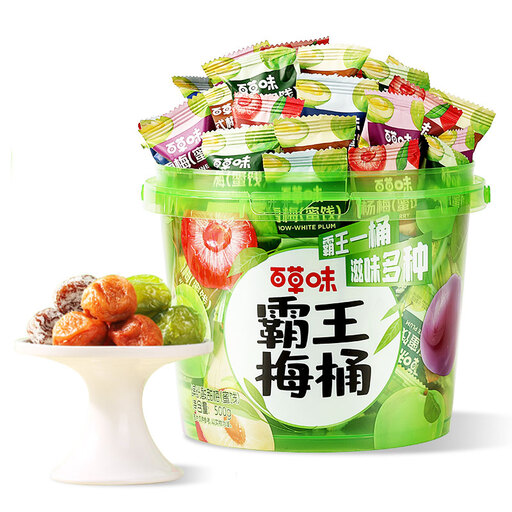
Why This Fits Their Persona: Ideal for the curious foodie who wants to explore the world of **Chinese sweets** but doesn't know where to start. It's also great for households with diverse tastes or for sharing with friends.
This directly solves the "variety confusion" pitfall. By offering five distinct flavours in one bucket (Green Plum, Prune, Snow Plum, etc.), it acts as a guided tour of the category, helping you discover your preference.
Provides an excellent variety with five different types of preserved plums. The large 500g bucket with 70 individual packs offers great value and is perfect for sharing.
We have compiled a complete, real-time list of products that fully satisfy these strict selection criteria and UK safety regulations.
1. What is the difference between Chinese preserved plums and standard dried prunes? Standard dried prunes, commonly found in UK supermarkets, are typically just dried plums (of the European plum variety) and have a naturally sweet, soft and slightly sticky texture. Chinese preserved plums are often made from green plums, which are tarter. They undergo a more complex curing process involving salt, sugar and sometimes spices like licorice, resulting in a much more intense and varied flavour profile that can be sweet, sour and salty all at once.
2. How should I store candied plums to keep them fresh? For optimal freshness, store your preserved plums in a cool, dry place away from direct sunlight. If they come in a non-resealable bag, transfer them to an airtight container after opening. This prevents them from drying out or absorbing moisture from the air, which can make them sticky. Individually wrapped soft dried plums will naturally stay fresh for longer.
3. Are Chinese salted plums meant to be very salty? Yes, some varieties, often labelled as salted plums or hua mei, are intentionally very salty and sour. They are not meant to be eaten like a sweet but are enjoyed as a palate cleanser or an appetiser to stimulate the senses. If you are new to them, it's best to try one piece first to gauge the intensity. If you prefer a milder taste, look for products described as "sweet" or those based on prunes rather than salted green plums.