
24/7 Customer Support

Free returns

Same-day & Next-day Delivery

Quality Guaranteed

Unlock Your Welcome Offers: FREE Delivery | Up to 80% OFF | Free 30-day JoyPlus trial
Download the APP
For many in the UK, the allure of Chinese preserved plums lies in their unique and intense flavour profile—a compelling dance of sweet, sour and salty. Whether you remember them from childhood, discovered them on your travels, or are an adventurous foodie seeking a new snack, finding the right packet can be a rewarding experience. However, navigating the world of dried Chinese plums online can often feel like a gamble.
Many shoppers find themselves disappointed. You might buy a packet labelled "sweet and sour" only to find it overwhelmingly salty, or you might anticipate a soft, chewy texture and instead get something hard and dry. With a vast array of candied plums, suan mei and other traditional preserved fruit available, it is easy to feel lost and make a purchase you regret. This guide is designed to help you understand the key factors to look for, so you can confidently choose the perfect Chinese preserved plums to suit your taste.
Instead of relying on vague descriptions, a closer look at the product details can tell you everything you need to know. Here are the three most important parameters to analyse.
Not all preserved plums are created equal. The base fruit and the method used to preserve it create vastly different results.
ume plum snacks are made from green plums (qing mei), which are naturally tart and firm. This results in a snack with a satisfying chew and a bright, sour base. Other products might use different fruits, such as Californian prunes, which are naturally sweeter and have a much softer, fleshier texture.salted plums or candied plums—refer to the preservation style. Some are simply dried with salt and sugar, creating a classic balance. Others are steeped in licorice, spices or even milk flavourings, resulting in more complex and layered tastes. The method directly impacts both the flavour intensity and the final texture.The ingredient list is your most reliable guide to flavour. Ignore the marketing copy on the front and turn your attention to the details on the back.
How you plan to eat your plums should influence your choice of packaging.
Asian snacks regularly.To help you get started, we have matched a few distinctive products to different preferences and lifestyles.
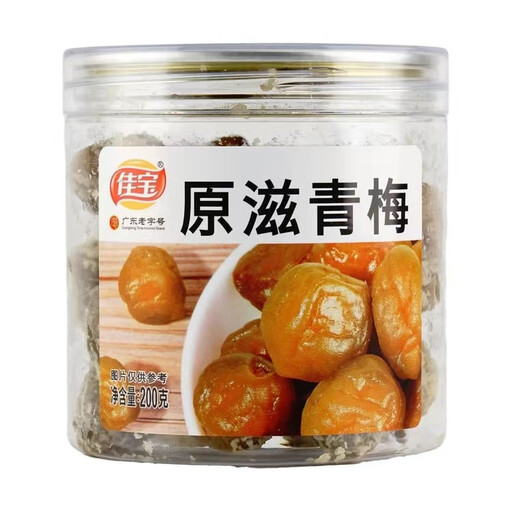
Why This Fits Their Persona: If you are new to Chinese preserved plums and want an authentic starting point, this is an excellent choice. It represents the classic flavour profile that many people love, making it a reliable introduction without being too extreme in any one direction.
It avoids the "flavour lottery" by delivering a balanced, traditional sweet-and-sour taste. With a moderate salt content (2.0g per 100g), it is flavourful but not overwhelmingly salty.
Made from high-quality green plums for an authentic texture and tang. The 200g bag is a good size for tasting and sharing.
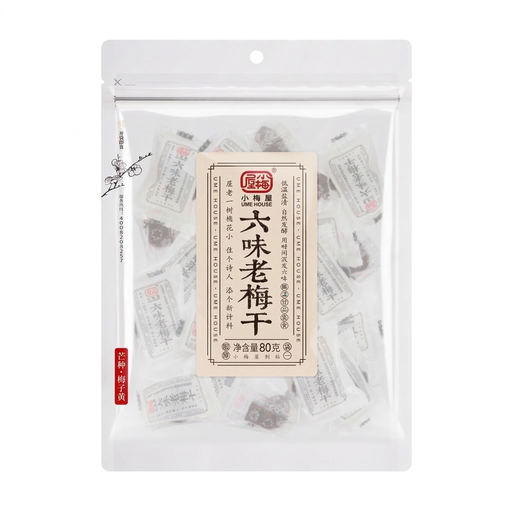
Why This Fits Their Persona: This is for the seasoned fan who is actively seeking that intense, mouth-puckering flavour of traditional aged plums. It is perfect for those who enjoy a powerful snack or want to use it to make a refreshing plum drink.
This product is unapologetically intense. The nutritional information clearly indicates a very high sodium content (8991mg per 100g), ensuring that buyers know they are getting a genuinely strong, salty plum.
Delivers a complex, rich flavour from a traditional recipe. It is also versatile enough to be used in beverages, adding a unique taste to drinks.
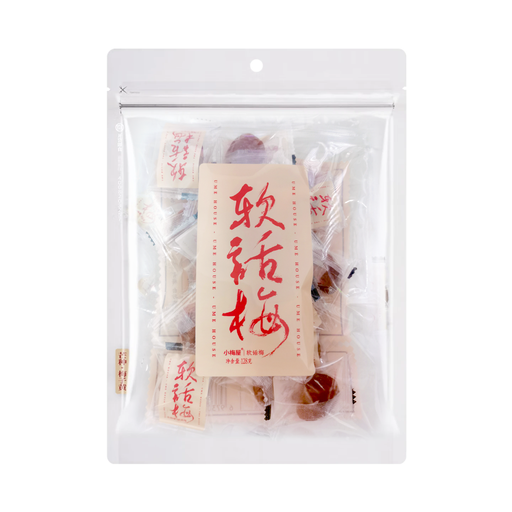
Why This Fits Their Persona: For students, office workers, or anyone needing a convenient snack, this is an ideal solution. The individual wrapping makes it easy to pack, store and share without mess or fuss, fitting perfectly into a busy UK lifestyle.
This product directly solves the convenience and texture problems. The individual wrapping keeps each plum soft and prevents the entire bag from drying out after being opened, ensuring a consistent experience.
The primary benefit is its portability and hygiene. The soft, chewy texture and complex flavour are added bonuses for a convenient snack.
We have compiled a complete, real-time list of products that fully satisfy these strict selection criteria and UK safety regulations.
This is a common point of confusion. While both originate from plums, they are quite different. Japanese umeboshi are typically pickled only with salt, resulting in a very sharp, sour and salty flavour. They are often used as a condiment with rice. Chinese preserved plums, or suan mei, encompass a much broader category. They can be sweet, salty, sour or spiced with ingredients like licorice, and are most often enjoyed as a standalone candied plums snack.
To maintain their texture and flavour, you should store them in a cool, dry place away from direct sunlight. After opening a large bag, it is a good idea to press all the air out before resealing it. For even better results, transfer the plums to an airtight container. This will prevent them from becoming hard and dry or overly sticky.
As a fruit-based product, they can be a flavourful treat. However, it is important to be mindful of the high sugar and salt content found in many varieties. They are best enjoyed in moderation as part of a balanced diet, rather than as a health food. Always check the nutritional information to make an informed choice that fits your dietary needs.