
24/7 Customer Support

Free returns

Same-day & Next-day Delivery

Quality Guaranteed

Unlock Your Welcome Offers: FREE Delivery | Up to 80% OFF | Free 30-day JoyPlus trial
Download the APP
Chinese preserved vegetables can add depth, saltiness and texture to rice, noodles, congee, hot pot and stir-fries. However, product descriptions do not always make it clear whether a packet contains a ready-to-eat side dish, a cooking ingredient or a dried vegetable that needs soaking first.
For UK shoppers, the main buying risks are excess salt, unclear preparation instructions and confusing dried vegetables with preserved vegetables. Use the guide below to compare ingredients, formats and suitable uses before ordering.
Some Chinese pickled vegetables are prepared and ready to serve, while others are dried or heavily salted and require soaking, rinsing and cooking. A product labelled as mustard greens, radish or cowpeas may therefore need preparation before it is suitable for a meal.
Check whether the packaging says:
For example, dried pickled mustard greens may need soaking in clean water for several minutes, followed by one or two rinses, before being added to a stir-fry or soup.
“Spicy pickled vegetables” can refer to chilli heat, peppery seasoning or simply a strong fermented flavour. If you prefer a milder side dish, inspect the ingredient list for chilli, Sichuan pepper, garlic, vinegar and other seasonings rather than relying on the front label.
For Sichuan side dishes, pickled mustard greens are often used with minced meat, noodles or rice. Preserved radish may provide a sweeter, crunchier contrast, while preserved cowpeas can work well in stir-fries.
Preservation commonly relies on salt, so Chinese preserved vegetables can contain a considerable amount of sodium. Nutrition panels are usually displayed per 100g, although a typical serving may be much smaller.
Avoid adding extra soy sauce, stock cubes or salt until you have tasted the prepared vegetables. If you are managing your salt intake, compare products carefully and follow any dietary advice relevant to you.
Look for a clear primary ingredient, such as:
A short ingredient list can make the flavour easier to understand. Fangjia Puzi Dried Pickled Mustard Greens, for instance, lists leaf mustard and edible salt, making it clearly different from a seasoned ready-to-eat side dish containing chilli oil or aromatics.
Dried or dehydrated vegetables are practical for cupboard storage but usually require rehydration. Follow the instructions on the packet rather than guessing the soaking time. Over-soaking can soften texture, while inadequate rinsing may leave the finished dish too salty.
Dried wakame is not the same as Chinese preserved vegetables, but it is a useful related ingredient for soups, ramen, rice bowls and salads. It expands considerably when rehydrated, so use a modest quantity at first.
Choose a smaller pack if you are trying an unfamiliar flavour or cooking for one or two people. Larger packs may be more economical for regular use, but only if you can keep them dry and use them within the stated timeframe.
Check:
Keep dried products sealed in a cool, dry cupboard. Once opened, transfer them to an airtight container if the original packaging does not reseal securely.
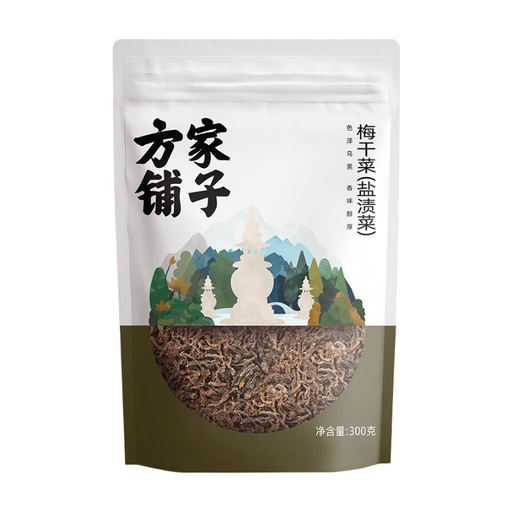
Why This Fits Their Persona: A 300g pack offers a straightforward way to try traditional Chinese pickled vegetables in rice, noodles, soups and stir-fries without committing to a large quantity.
The product clearly states that cooking is required and gives soaking and rinsing instructions, reducing the risk of treating a salted dried ingredient as ready-to-eat.
Leaf mustard and edible salt are listed ingredients; the dried format is suitable for cupboard storage before opening.
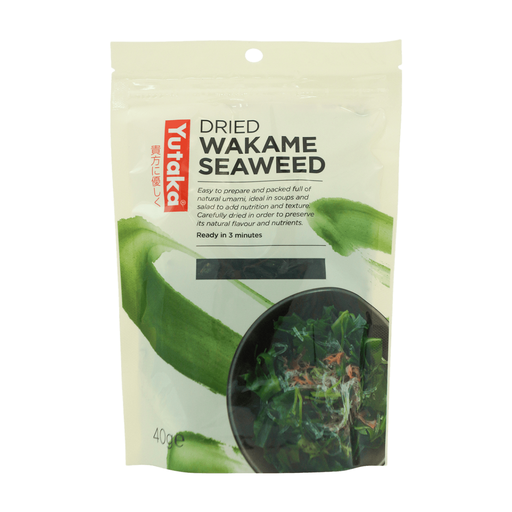
Why This Fits Their Persona: Suitable for cooks who want a neatly specified dried ingredient for Japanese and wider Asian recipes, including soups, salads, ramen and rice bowls.
It is presented as dried wakame rather than a ready-to-eat preserved side dish, so the buyer can plan for rehydration and appropriate portioning.
The ingredient is listed as wakame; the 40g pack is compact and suitable for multiple small servings.
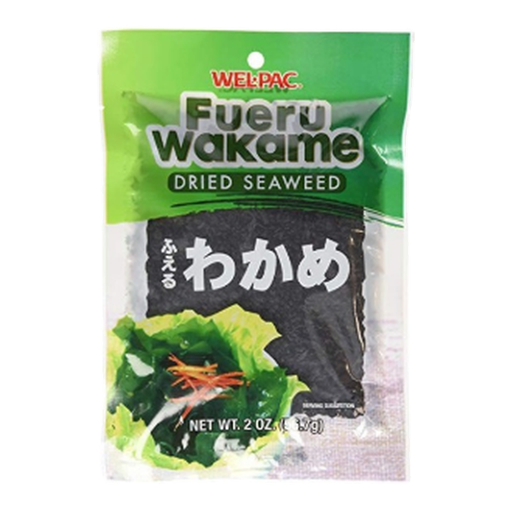
Why This Fits Their Persona: A useful option for households that regularly prepare soups, ramen, salads or Asian side dishes and want a larger dried wakame pack.
The pack format and preparation purpose are clear, helping frequent users avoid repeatedly buying small packets for similar recipes.
Contains dried wakame seaweed; the resealable-storage guidance supports regular cupboard use.
We have compiled a complete, real-time list of products that fully satisfy these strict selection criteria and UK safety regulations.
For dried pickled mustard greens, soak according to the packet instructions, rinse thoroughly and cook before serving. They can be chopped into fried rice, mixed with minced pork or tofu, stirred through noodles or added to congee.
For ready-to-eat Chinese side dishes, serve a small portion alongside plain rice, steamed buns or congee. Taste first before adding other Chinese condiments such as soy sauce, chilli oil or sesame paste.
Dried bamboo shoots and preserved cowpeas usually benefit from soaking and cooking. Dried wakame needs only rehydration and is more suitable for soups, salads and noodle dishes than for recipes requiring the fermented flavour of mustard greens.
Not always. Some products are ready-to-eat side dishes, while dried or salted vegetables generally require soaking, rinsing and cooking. Always follow the preparation instructions on the packaging.
Keep unopened dried products in a cool, dry cupboard away from sunlight and moisture. After opening, reseal the pack or use an airtight container. Follow the label for refrigeration requirements and consume the product within the stated period.
They pair well with plain rice, noodles, congee, hot pot and stir-fries. Use strongly salted vegetables in small portions and reduce additional seasoning until the finished dish has been tasted.