Navigating the world of Chinese red dates online can be confusing. You might be looking for the perfect fleshy dates for a nourishing soup, a crunchy snack for your lunchbox or a sweet treat to enjoy with tea. With terms like dried jujube, Loulan jujube and crispy dates all appearing in your search, it can be difficult to know which one is right for you.
As the Joybuy Product Recommendation Officer, my role is to help you understand the differences. This guide will walk you through the key things to consider when choosing Chinese red dates, so you can confidently select the right product for your kitchen, whether you're preparing a traditional family recipe or exploring new Asian snacks.
How to Choose the Right Chinese Red Dates
Before adding a pack to your basket, consider these three points. They will help you match the type of date to your specific needs.
1. Texture: Crispy, Soft, or Candied?
The most significant difference between various red dates is their texture, which dictates their primary use.
- Soft Dried Jujube: These are the most traditional type. They have a soft, chewy texture and a naturally sweet flavour. They are ideal as red dates for soup, congee and herbal teas, as they release their sweetness and flavour slowly during cooking.
- Crispy Chinese Dates: A more modern innovation, these dates are processed to have a light, airy and crunchy texture. They are intended to be eaten directly from the bag as a standalone snack, offering a different experience from the classic soft date.
- Candied Red Dates: These dates are preserved with sugar, such as muscovado or maltose. This process gives them a much sweeter taste and a dense, chewy and sometimes sticky texture. They are best enjoyed as a sweet treat or used in desserts.
2. Origin and Grade: What Does It Mean?
You may see terms like Loulan jujube or quality grades such as 'Four-Star'. While origin isn't everything, certain regions are renowned for producing dates with specific characteristics. For example, dates from regions like Xinjiang are often noted for their size and sweetness due to the unique climate. A grading system, like 'Four-Star', is typically used by a brand to indicate a premium selection based on factors like size, colour and uniformity.
3. Intended Use: Snacking, Cooking, or Tea?
Finally, think about how you plan to use the dates.
- For Snacking:Crispy Chinese dates are a convenient, ready-to-eat option. Soft dried dates can also be a wholesome snack, offering a natural, chewy sweetness.
- For Cooking and Soups: Large, fleshy and deeply flavoured dried jujube varieties are the standard choice. They hold their shape well and infuse broths and stews with a subtle, comforting sweetness.
- For Teas and Desserts: Both soft dried dates and candied red dates work well. Soft dates provide a natural sweetness to tea, while candied versions can be used as a key ingredient in sweet soups (tong sui) and traditional pastries.
Our Top Product Recommendations
Based on their distinct characteristics and uses, here are a few different types of Chinese red dates to consider.
For a Crunchy, Modern Snack: Bestore Crispy Small Dates
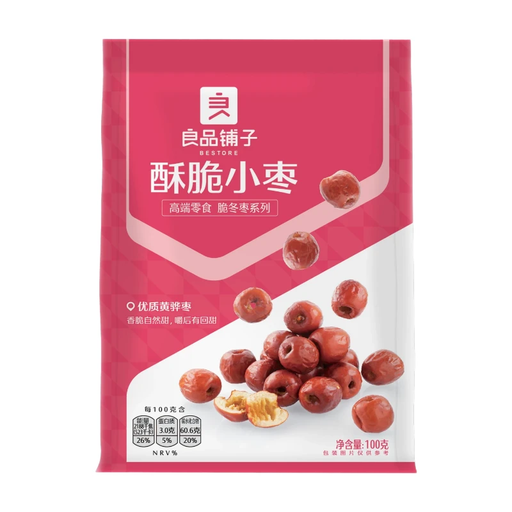
- Why It Stands Out: These dates are processed using a low-temperature method that results in an exceptionally light and crisp texture, setting them apart from traditional soft dates. They are designed purely for snacking.
- Pros: Incredibly crunchy texture, convenient for on-the-go snacking and made from 100% small dates without added fats or complex ingredients.
- Who is it for? Anyone looking for a different kind of Asian snack that is both satisfyingly crunchy and straightforward. They are perfect for lunchboxes or as a light bite during the day.
For Traditional Cooking and Soups: Fang Jia Pu Zi Four-Star Loulan Gray Jujube
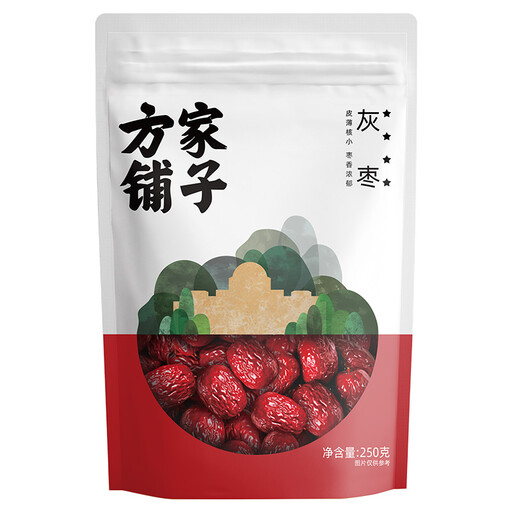
- Why It Stands Out: The 'Four-Star' classification from Fang Jia Pu Zi signifies a premium selection of Loulan jujube, known for their large size, deep colour and rich flavour. This is a classic, high-quality dried jujube fruit.
- Pros: Very versatile for culinary use, from tonic soups to desserts. They are large, fleshy and have a naturally sweet jujube flavour that enhances both sweet and savoury dishes.
- Who is it for? Home cooks who value authentic ingredients for traditional Chinese cuisine. If you are making nourishing broths, congee or braised dishes, these dates provide the authentic taste and texture required.
For a Sweet, Indulgent Treat: Chang Si Candied Dates with Muscovado Sugar
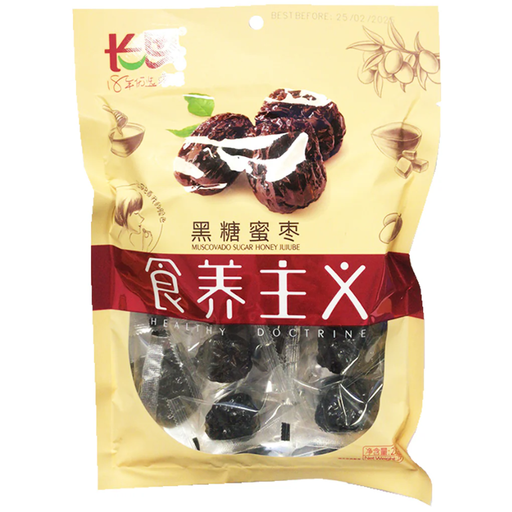
- Why It Stands Out: These dates combine the natural fruitiness of red dates with the deep, caramel-like flavour of muscovado sugar. This creates a classic candied red dates snack with a rich and indulgent profile.
- Pros: Ready-to-eat sweet treat, distinct flavour from the added black sugar and can be used as a natural sweetener in baking or desserts.
- Who is it for? Those with a sweet tooth or anyone looking for a traditional Chinese confection. They are excellent on their own or as an ingredient to add sweetness and depth to desserts and teas.
Looking for Other Options?
If you are specifically interested in sweet, preserved fruits, there are many other varieties to discover.
? Explore our full range of candied date and preserved fruit products here.
Frequently Asked Questions
What is the difference between a red date and a jujube? There is no difference. 'Red date' and 'jujube fruit' are two common names for the same fruit, Ziziphus jujuba. The name used often depends on regional preference.
How should I store dried Chinese red dates? To maintain their freshness and texture, store them in a cool, dry place away from direct sunlight and moisture. After opening the package, it is a good idea to transfer them to an airtight container. This is especially important for soft dried dates to prevent them from drying out.
Can you eat Chinese red dates raw? Yes. Both fresh and dried red dates can be eaten raw. Dried red dates are a common snack, though they are most frequently used as an ingredient in cooking and for making tea, where their flavour can infuse the entire dish. Crispy dates are specifically made to be eaten raw as a snack.


