
24/7 Customer Support

Free returns

Same-day & Next-day Delivery

Quality Guaranteed

Unlock Your Welcome Offers: FREE Delivery | Up to 80% OFF | Free 30-day JoyPlus trial
Download the APP
A splash of vibrant Chinese red oil can transform a simple dish into something truly memorable. But as its popularity has grown in the UK, so has the confusion. Many products on the shelf promise authentic flavour but deliver little more than one-dimensional heat. Navigating the world of Sichuan chilli oil, mala sauce and Chinese chilli crisp can feel overwhelming, often leading to disappointing purchases.
As a Joybuy Product Recommendation Officer, my role is to help you sidestep these common issues. We will look past the marketing and focus on what truly matters in a quality red oil, ensuring your next purchase adds genuine, aromatic depth to your cooking.
Before you add a jar to your basket, be aware of these frequent traps that can lead to buyer's remorse:
Sichuan chilli oil is prized for its fragrance (xiāng) as much as its heat (là). Many generic versions are simply vegetable oil infused with dried chilli flakes, missing the complex, layered aroma that comes from simmering with spices like star anise, cassia and bay leaf.mala sauce specifically refers to the combination of spiciness (là) and a unique, tingling numbness (má) from Sichuan peppercorns. Unfortunately, some products use the label for marketing without including a sufficient quantity of genuine Sichuan peppercorns, leaving you with a flat, fiery taste that misses the soul of Sichuan cuisine.red oil noodles, only to find it doesn't work well as a general condiment. A truly functional red oil should be versatile enough to be used as a dipping sauce, a dressing for cold dishes or a finishing touch for soups and stir-fries.To avoid these pitfalls, focus on these three core components. Understanding them will empower you to select a product that delivers the authentic experience you are looking for.
The foundation of any good red oil is, of course, the oil itself. Traditionally, roasted rapeseed oil (càizǐyóu) is used in Sichuan for its nutty, deep aroma, which provides a robust base for the spices. While other neutral oils like soybean oil are also used, the type of oil significantly influences the final flavour. More importantly, check the ingredients for aromatics. A quality oil will be infused with a blend of whole spices, which are strained out later, leaving behind a fragrant, complex oil rather than just a hot one.
Not all chillies are created equal. Sichuan cuisine uses various types to build layers of heat and fragrance. Look for products that specify the kind of chillies used, as this indicates a more thoughtful production process. Crucially, for any product claiming a mala profile, the presence of Sichuan peppercorns (huājiāo) is non-negotiable. This is what provides the signature tingling sensation that balances the heat. Without it, you are missing half of the essential flavour equation.
The sediment at the bottom of the jar is where much of the texture and umami lies. In a Chinese chilli crisp, this "liao" is the star of the show, often containing crispy fried chillies, fermented soybeans, peanuts and garlic. For foundational cooking pastes like Pixian bean paste (Píxiàn dòubànjiàng), the solids are a rich, salty and deeply savoury blend of fermented broad beans and chillies. This paste is not a finishing oil but a powerful base ingredient for iconic dishes like Mapo Tofu and Twice-Cooked Pork, making it one of the most essential Sichuan condiments.
Based on these criteria, here are a few options tailored to different needs and cooking styles.
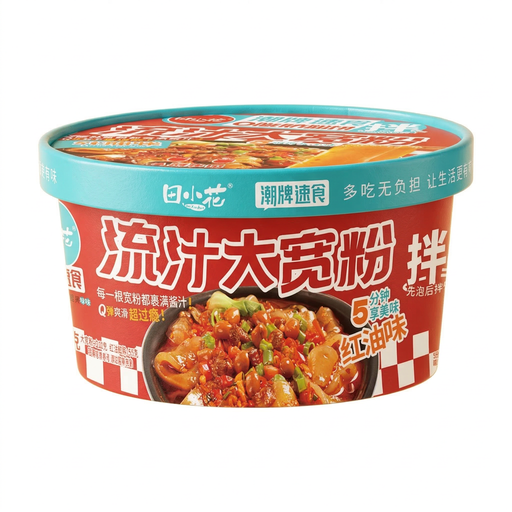
Why This Fits Their Persona: For busy professionals or students in the UK, this is a perfect solution. It delivers a satisfying and flavourful bowl of red oil noodles in minutes by just adding hot water, without the need for a full kitchen setup.
It sidesteps the "all heat, no flavour" pitfall by providing a complete seasoning packet with soy sauce, vinegar, garlic and spices, ensuring a balanced and aromatic taste, not just simple heat.
Extreme convenience with chewy, broad sweet potato noodles that offer a satisfying texture. The flavour profile is a classic spicy and savoury red oil taste.
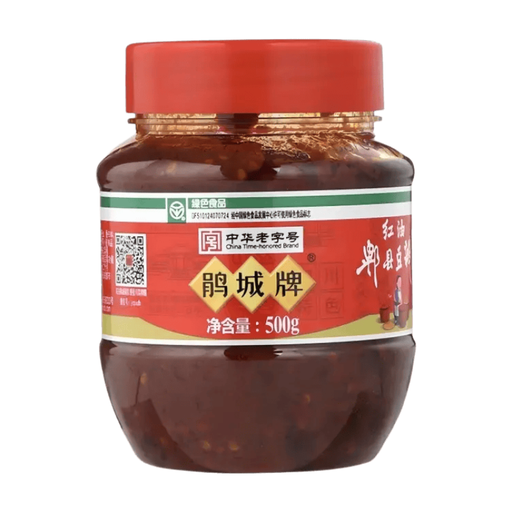
Why This Fits Their Persona: For the home cook dedicated to recreating genuine Sichuan dishes, this is a pantry essential. It is the foundational flavour for countless recipes, from Mapo Tofu to spicy hot pot bases.
This product avoids the "versatility void" by being a core cooking ingredient rather than just a finishing oil. Its rich, fermented flavour provides a deep umami and savoury base that a simple chilli oil cannot replicate.
This is an authentic Pixian bean paste, known for its bright red colour and rich sauce aroma. It must be sautéed on low heat to release its red oil and fragrance before adding other ingredients.
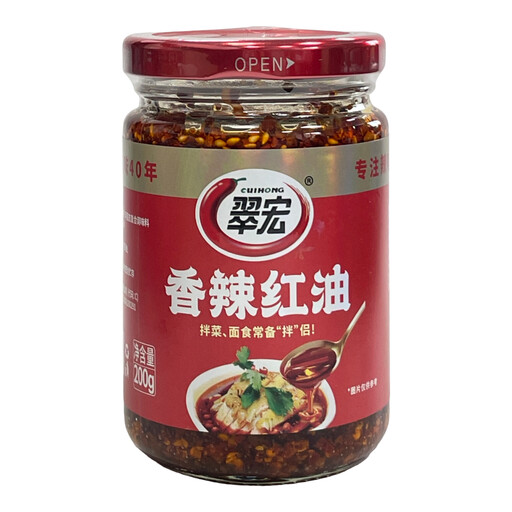
Why This Fits Their Persona: Ideal for someone who wants a ready-to-use condiment that can instantly elevate a wide range of meals, from dumplings and noodles to salads and soups, without committing to a full recipe.
This oil is carefully cooked with spices to deliver a complex and aromatic heat, directly countering the "all heat, no flavour" problem. The focus is on fragrance and a balanced spiciness.
Highly versatile and ready to use straight from the jar. It serves as an excellent finishing oil or dipping sauce, instantly adding an authentic Sichuan flavour boost to any dish.
We have compiled a complete, real-time list of products that fully satisfy these strict selection criteria and UK safety regulations.
1. What is the difference between Chinese chilli oil and chilli crisp? Chinese chilli oil is primarily a flavoured oil. The focus is on the liquid, which has been infused with chillies and spices. While it may contain some chilli flakes, its main purpose is to add flavour and a glossy finish. Chinese chilli crisp, on the other hand, is all about the solid ingredients. It contains a large amount of crispy, crunchy bits (like fried chillies, soybeans and garlic) suspended in the oil. You use it as a textured topping as much as for its flavour.
2. How long does Sichuan chilli oil last once opened? Once opened, a jar of chilli oil or paste should be stored in the refrigerator with the lid tightly sealed. This prevents the oil from going rancid and preserves its flavour. Always use a clean, dry spoon to take it out to avoid introducing moisture or contaminants. When stored correctly, it can last for several months.
3. Can I use Pixian bean paste raw? No, Pixian bean paste (Doubanjiang) is not intended for raw consumption. It is a concentrated, salty paste made from fermented beans and chillies. To unlock its full potential, it must be cooked. The standard method is to sauté it in oil over low heat until the oil turns a deep red and the paste becomes fragrant. This process, known as "roasting the red oil" (chǎo hóng yóu), is a fundamental step in many Sichuan recipes.