
24/7 Customer Support

Free returns

Same-day & Next-day Delivery

Quality Guaranteed

Unlock Your Welcome Offers: FREE Delivery | Up to 80% OFF | Free 30-day JoyPlus trial
Download the APP
Chinese sauces and condiments can transform noodles, rice, dumplings, vegetables and stir-fries, but the range can also be difficult to navigate. Similar-looking jars may differ significantly in salt, chilli intensity, sweetness, allergens, texture and storage requirements.
For UK shoppers, the main challenge is not simply finding an authentic-looking label. It is choosing a sauce that suits the intended dish, checking the information required for safe use and avoiding products that will sit unused at the back of the cupboard.
Light soy sauce is generally used to season food and add savoury flavour. Dark soy sauce is usually thicker and deeper in colour, making it more suitable for braised dishes, marinades and recipes where a darker appearance is wanted.
Using dark soy sauce as an everyday dipping sauce can overpower delicate foods, while using light soy sauce when colour is important may leave a braise looking pale. Check whether the bottle is labelled light soy sauce, dark soy sauce or simply premium soy sauce before buying.
“Spicy chilli sauce” does not describe one consistent flavour. Some sauces are sharp and vinegary, some are oily, some contain garlic and Sichuan-style products may include Sichuan pepper for a numbing sensation.
Ingredients offer a more useful guide than front-of-pack wording. A sauce containing charcoal-grilled chilli may bring smoky notes, while a garlic chilli sauce is more suited to dumplings, noodles and dipping. Also check the nutrition panel: several chilli sauces in this category contain substantial salt or oil per 100g.
Many Chinese cooking sauces contain soybeans and wheat, while some chilli blends may include sesame or peanuts. Ingredients and allergen declarations should be checked every time, particularly if cooking for children, guests or anyone with a food allergy.
Storage also varies. Some products require refrigeration after opening and should be used within a stated period. A large jar may offer good value for a family, but a smaller bottle can be more practical for students or occasional cooks.
Start with the dish rather than the brand. For everyday seasoning, choose Chinese soy sauce or light soy sauce. For colour and richness, consider dark soy sauce. For heat, decide whether you want a clean chilli flavour, garlic, smoky notes, Sichuan pepper or chilli oil.
A soybean paste can add fermented savouriness to stir-fries, noodle sauces and braised dishes. Mushroom oyster-flavoured sauce can provide a sweet, savoury coating for vegetables and meat-free recipes. Plum sauce is more suitable for sweet-and-sour dipping, glazing and spreading.
Look for the main ingredient near the beginning of the list. Chilli sauces differ considerably in chilli content, oil level and added sweetness. For example, Nan Guo Spicy Yellow Pepper Sauce lists yellow lantern pepper at 47% or more, whereas other products combine chilli with oil, garlic, soybean paste, vinegar or sugar.
If you want a sauce for frequent use, consider how easily it can be adjusted. A concentrated sauce is useful in small quantities, but it may not work as a stand-alone dip without dilution or other ingredients.
Compare the net quantity, not just the price. A 1.9-litre bottle may suit a professional kitchen or a large household, while a 100g or 200g jar may reduce waste for occasional use.
Salt and energy values are listed per 100g or 100ml, so compare like with like. Soy sauces commonly have high salt values because they are concentrated seasonings; use them sparingly and adjust the recipe accordingly. Check the label for storage instructions, best-before information and any “consume within” guidance after opening.
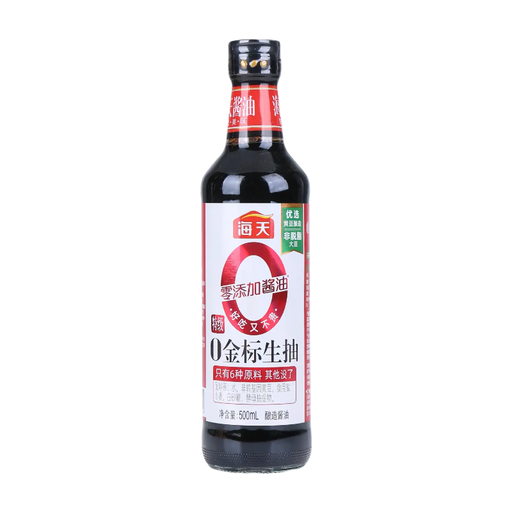
Why This Fits Their Persona: A compact 500ml bottle is manageable for students, first kitchens and shoppers building a basic Asian seasonings cupboard.
It is clearly positioned as light soy sauce, helping avoid buying a dark sauce for delicate seasoning or dipping.
Six listed ingredients; suitable for salads, steaming, dipping, stir-fries and marinades. Contains soy and wheat.
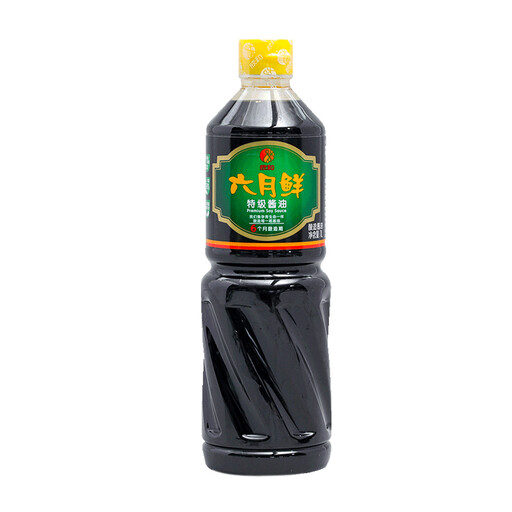
Why This Fits Their Persona: The 1-litre format suits families and regular home cooks who use soy sauce across several weekly meals.
The listing identifies the brewing method, ingredient percentages and storage requirements rather than relying only on premium-style wording.
Naturally brewed with soybeans and wheat; designed for stir-frying, salads, dipping and marinating. Refrigerate at 0–4°C after opening.
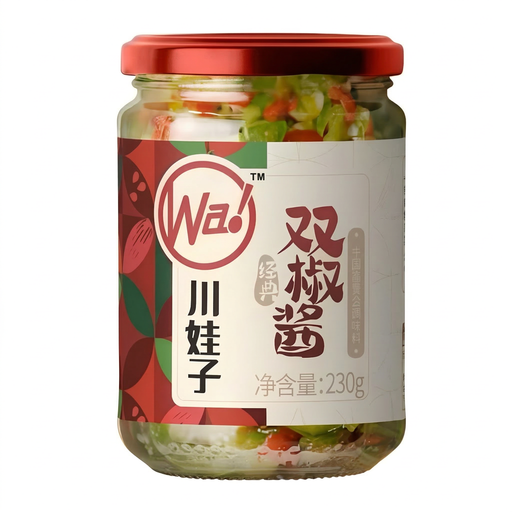
Why This Fits Their Persona: Suitable for cooks who want layered green and red chilli flavours with garlic for noodles, rice and dipping.
The ingredient list identifies chilli, pickled chilli, garlic and Sichuan pepper, giving a clearer flavour guide than a generic “hot sauce” label.
Ready to eat; 230g glass jar; contains soy, sesame and peanuts, which are clearly declared.
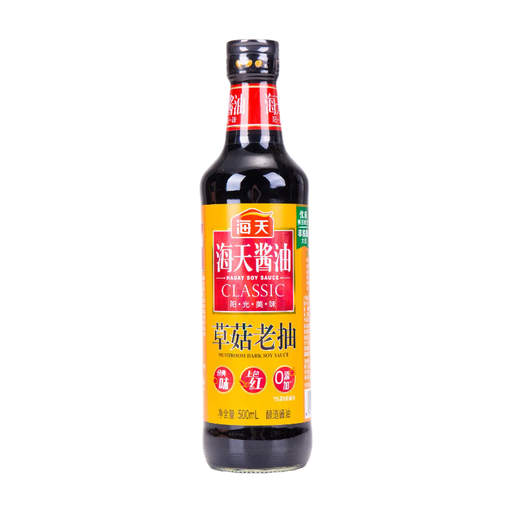
Why This Fits Their Persona: A practical option for batch cooking, braised meats, stews and marinades where colour and depth are central to the recipe.
The product is identified as dark soy sauce, reducing the risk of using a colouring sauce where a lighter seasoning is needed.
500ml bottle with mushroom extract; intended for colour and richness. Contains soybeans and wheat gluten.
We have compiled a complete, real-time list of products that fully satisfy these strict selection criteria and UK safety regulations.
A light soy sauce, a chilli or garlic chilli sauce and a plum sauce cover several everyday uses. Add dark soy sauce when you regularly cook braised dishes or soybean paste if you make noodle sauces and savoury stir-fries.
Follow the product label. Some bottles recommend refrigeration, such as Liu Yue Xian Premium Soy Sauce, while others advise keeping the container tightly sealed in a cool, dry place. Always use clean utensils and check the best-before or post-opening guidance.
There is no single lifespan for all Chinese sauces and condiments. Oil-based chilli sauces, soy sauces, pastes and fruit-based dips have different instructions. Check the packaging, refrigerate when directed and discard a product if its smell, appearance or texture changes noticeably.