
24/7 Customer Support

Free returns

Same-day & Next-day Delivery

Quality Guaranteed

Unlock Your Welcome Offers: FREE Delivery | Up to 80% OFF | Free 30-day JoyPlus trial
Download the APP
Recreating Chinese dishes at home can be straightforward when the seasoning matches the cooking method. However, a colourful packet or “restaurant-style” description does not always tell you whether a product suits your recipe, household or storage habits. Chinese seasoning sauces and spice mixes vary considerably in heat, salt, sweetness, serving size and preparation method.
The most common buying mistakes are choosing a sauce for the wrong dish, overlooking allergens and buying a large pack that cannot be used before its flavour fades. This guide explains what to check before purchasing Chinese cooking sauces, Chinese seasoning mixes and related Asian condiments.
Some products must be diluted with water or stock, while others are concentrated sauces intended for stir-frying, marinating or braising. A hot pot seasoning may be unsuitable as a dipping sauce without adjustment, and a braising sauce may become too sweet or salty if used directly over noodles.
Always check whether the pack says cooking required, dilute before use or ready to eat. For example, a hot and sour beef seasoning mix is intended to be dissolved in boiling water or broth, whereas a mushroom sauce can be used directly as a topping or cooking ingredient.
Names such as Sichuan seasoning, Kung Pao sauce or sweet and sour seasoning indicate a flavour direction, not a universal recipe. Sichuan products may focus on chilli, numbing Sichuan pepper or sourness. Kung Pao-style sauces commonly combine sweet, sour and savoury notes, while Chinese braising spices are generally aromatic rather than sauce-heavy.
Review the ingredient list and preparation instructions instead of relying solely on front-of-pack imagery.
Soybean, wheat, sesame, peanuts and crustaceans appear regularly in Chinese spice packets and sauces. In the UK, allergens should be emphasised in the ingredients list, but it remains important to check the current packaging before serving.
Salt levels can also differ sharply. Some compound seasonings list more than 10g of salt per 100g, while a dry spice blend may contain very little added salt. A small sachet can season several portions, so compare the stated serving method rather than judging value by pack weight alone.
Match the product to the meal you plan to make:
Read the full list for soy, wheat, sesame, peanuts, mustard and crustaceans. A product may also be made in a facility handling other allergens. For example, some sauces contain fermented soybean, wheat-based soy sauce or sesame paste, while sha cha sauce may include peanuts and dried shrimp.
If you are cooking for children, guests or anyone with an allergy, use the packaging as the final reference and avoid transferring the sauce into an unlabelled container.
Dry Chinese seasoning mixes usually store conveniently in a cool, dry place, but opened sauces often require refrigeration. Check whether the pack contains individual sachets, which can reduce waste for smaller households.
A 200g sauce divided into two sachets may be more practical than a larger single pouch if you cook Chinese dishes occasionally. Conversely, multi-pack spice bags can offer better flexibility for frequent braising, stewing or preparing tea eggs.

Why This Fits Their Persona: A compact option for students and first-time cooks who want to prepare a Sichuan-style stir-fry without buying several separate ingredients.
The instructions identify it as a compound seasoning for Kung Pao-style cooking, helping avoid using a soup base or braising sauce for a quick stir-fry.
80g pack; suitable for chicken, other proteins or vegetables; contains soy, wheat and sesame allergens.
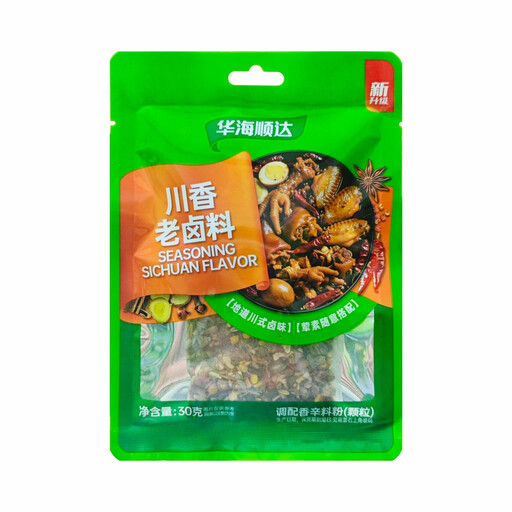
Why This Fits Their Persona: Suitable for cooks interested in a dry, aromatic Sichuan profile for slow-cooked meat rather than a sweet bottled sauce.
Its 30g spice packet is clearly intended for braising and lists the included spices, so buyers can distinguish it from a ready-made sauce.
Contains 17 listed spices, including star anise, Sichuan peppercorns and chilli; declared free from the 14 legally defined allergens.
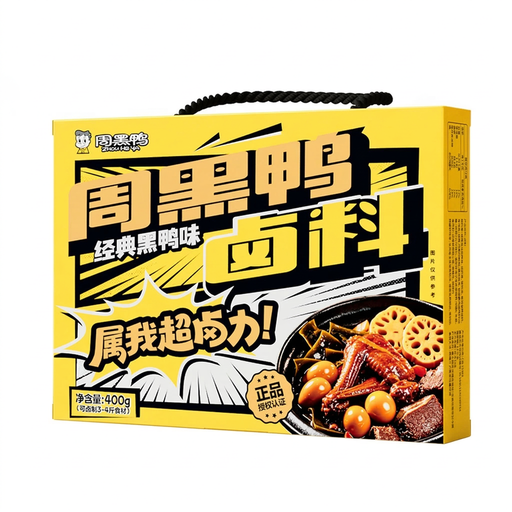
Why This Fits Their Persona: A larger format for households that regularly braise duck, chicken wings, tofu, lotus root or other ingredients in batches.
The usage guidance specifies 50g per litre of water and a 30–60 minute simmer, making the batch size and cooking process clear.
400g net quantity; includes star anise, cinnamon, bay leaf and Sichuan pepper; suitable for multiple braising sessions.
We have compiled a complete, real-time list of products that fully satisfy these strict selection criteria and UK safety regulations.
Before placing an order, confirm:
For a broader pantry, combine one versatile Chinese cooking sauce with a dry Chinese seasoning mix. This gives you convenience for quick meals while allowing more control over salt, heat and liquid when preparing traditional recipes.
Check the dilution instructions first. Many hot pot seasoning products are concentrated and should be added to boiling water or stock. Add vegetables, noodles, tofu and meat only after the liquid is hot, and cook ingredients thoroughly.
Dry packets generally store well when sealed in a cool, dry place. Bottled or oil-based sauces usually need refrigeration after opening. Always follow the storage instructions and the best-before or use-by information printed on the packaging.
The cost depends on how many portions each pack prepares. A small sachet may serve several bowls of soup or one family meal, while a larger braising packet can cover multiple cooking sessions. Compare the recommended quantity per dish rather than pack price alone.