
24/7 Customer Support

Free returns

Same-day & Next-day Delivery

Quality Guaranteed

Unlock Your Welcome Offers: FREE Delivery | Up to 80% OFF | Free 30-day JoyPlus trial
Download the APP
Finding Chinese cooking seasonings and pickles in the UK is easier than it once was, but choosing the right product can still be surprisingly difficult. Packaging may highlight “traditional” flavour while giving little practical information about salt levels, allergens, preparation time or storage.
For Chinese, East Asian and South Asian households, the right seasoning can make weeknight cooking much simpler. A soup base, pickled vegetable or ready-to-eat side dish can also help recreate regional flavours without buying a long list of specialist ingredients. The key is to compare the label and intended use rather than relying on impressive packaging.
Some products require cooking, marinating or dilution, while others can be opened and served immediately. A Sichuan pickled fish seasoning kit is not a finished meal: it usually requires fish, water, oil and cooking time. By contrast, Chinese pickled vegetables and ready-to-eat side dishes can accompany rice, noodles or porridge straight from the packet or jar.
Always check whether the label says “cooking required” or “ready to eat” before adding an item to your basket.
Pickled mustard greens, radish, chilli and fermented vegetables naturally contribute a strong savoury and sour taste. Seasoning products can also contain additional salt, sugar, oil and flavour enhancers. For example, the listed salt content is 11.6g per 100g for one Hao Ren Jia fish seasoning and 14.85g per 100g for the Jiadianziwei Korean kimchi soup seasoning.
These figures do not automatically make a product unsuitable, but they do affect how much extra salt, stock or soy sauce you should add during cooking.
Asian seasonings may include soybeans, wheat, mustard, egg, fish, crustaceans or sulphites, sometimes in secondary ingredients such as fermented sauces or flavourings. Read the allergen declaration every time, especially when buying mixed kits.
For example, fern fiddleheads with pickled peppers list sulphites, while the Korean kimchi soup seasoning lists crustaceans, fish, soybeans and wheat. Recipes and packaging can change, so the product label should take priority.
Choose the format that matches your cooking routine:
A 50g Korean kimchi soup sachet, for instance, is designed to be mixed with 400ml of water before adding ingredients. A 300g sour cabbage fish kit may use around 500g of fish and 1,000–1,200ml of water, so compare the packet size with the number of people you normally serve.
Look beyond the front-of-pack picture and check the quantitative ingredient declaration where available. Zhuxin fern fiddleheads with pickled peppers contain 70% bracken fern and 10% pickled millet chilli. The diced bamboo shoot version also lists 70% young bamboo shoots and 10% pickled millet chilli.
This information helps distinguish a vegetable-led pickle from a chilli-heavy condiment. It also indicates how much of the pack consists of the main ingredient rather than sauce, water or seasoning.
Shelf life depends on the sealed product, storage conditions and handling. Check the best-before date on the packaging, keep unopened products as directed and refrigerate many products after opening. Several ready-to-eat vegetables state that they should be refrigerated and consumed promptly once opened.
Do not assume that a fermented or pickled product can remain at room temperature indefinitely. Use a clean utensil, reseal the pack properly and follow the label’s storage guidance.
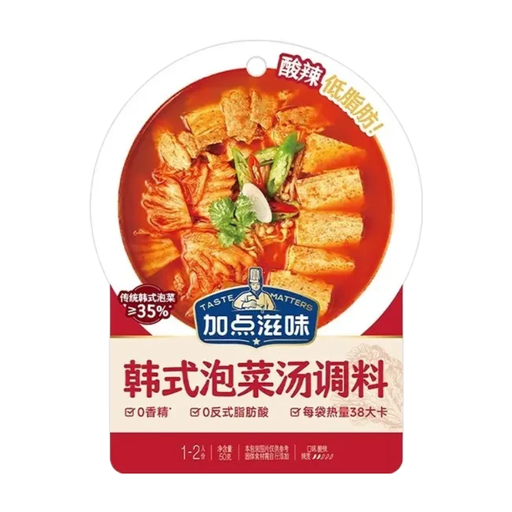
Why This Fits Their Persona: A compact sachet gives new shoppers a low-commitment way to prepare Korean-style kimchi soup with water, tofu, beef, vegetables or eggs.
The stated 400ml water instruction makes the preparation format clear, while the allergen and salt information is provided for checking before purchase.
50g single-use format; suitable for several common soup ingredients; cooking instructions are provided.
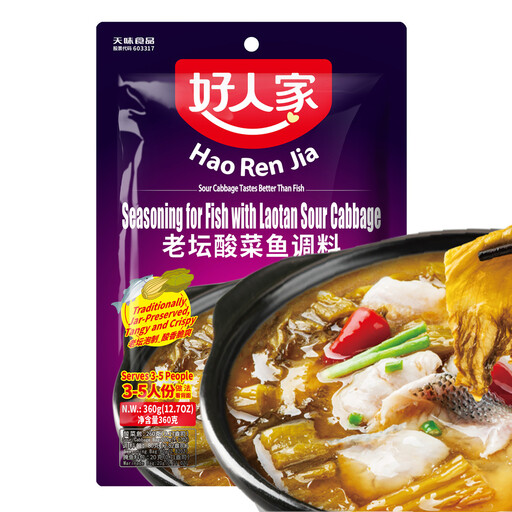
Why This Fits Their Persona: Suitable for cooks who want a layered sour, spicy and savoury fish soup rather than a single powdered flavouring.
The separate sauce, pickled cabbage and marinade packets show what each component contributes, instead of hiding the preparation process behind broad flavour claims.
Three-part seasoning system; 360g net quantity; instructions cover marinating, boiling and cooking fish.
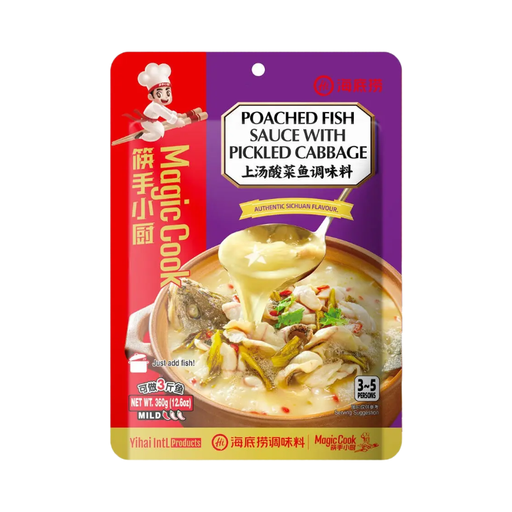
Why This Fits Their Persona: A practical option for households that regularly prepare Sichuan-style pickled fish and want a larger seasoning format.
It is clearly identified as a seasoning for cooking, with soy and wheat allergens listed, so shoppers can plan around dietary requirements.
360g pack; includes pickled mustard tuber, chilli, garlic, ginger and Sichuan pepper; intended for a complete fish dish.
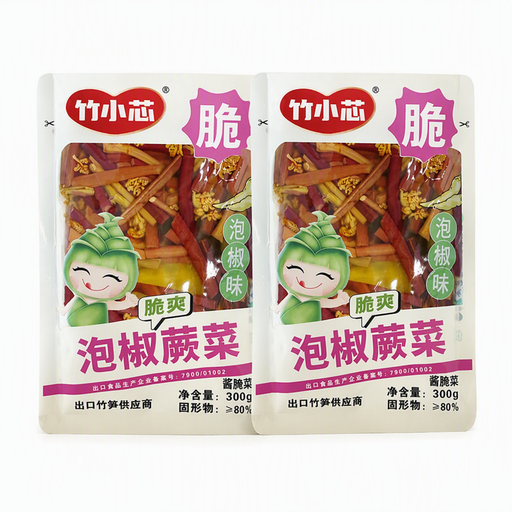
Why This Fits Their Persona: Designed for customers who want an unusual vegetable accompaniment without preparing Chinese pickles from raw ingredients.
The ingredient percentages identify the main vegetable and chilli content, and the sulphites allergen is stated clearly for label checking.
Two 300g packs; bracken fern is the principal ingredient; pickled millet chilli provides the listed spicy element.
We have compiled a complete, real-time list of products that fully satisfy these strict selection criteria and UK safety regulations.
For a broader pantry, the Shan Masala Starter Kit combines mixed pickle, butter chicken seasoning, garlic paste, Himalayan pink salt and biryani seasoning. It may suit South Asian households seeking several authentic Asian cooking ingredients in one purchase, although shoppers should check the listed wheat and milk allergens.
For a crunchy chilli-led accompaniment, Fan Saoguang Plateau Crispy Chopped Peppers and Tribute Vegetables is labelled ready to eat and can be served with rice, noodles, porridge or hot pot. The diced bamboo shoots with pickled peppers are another option for stir-fries, cold dishes and rice bowls.
Check whether the product is a powder, paste or multi-part kit. Add the specified amount of water, then include the recommended protein or vegetables. Fish should be cooked until fully done, and opened seasoning packets should be handled according to the storage instructions.
Both can provide a sour and spicy fish dish, but recipes differ by vegetable blend, chilli, pepper and seasoning format. Compare the ingredient list and water instructions rather than relying only on the product name.
There is no single lifespan for every product. Follow the packaging, refrigerate when instructed and consume promptly after opening. Ready-to-eat Chinese pickled vegetables and fermented side dishes should not be treated as indefinitely shelf-stable once opened.