
24/7 Customer Support

Free returns

Same-day & Next-day Delivery

Quality Guaranteed

Unlock Your Welcome Offers: FREE Delivery | Up to 80% OFF | Free 30-day JoyPlus trial
Download the APP
Chinese sesame paste can mean several different products, from plain ground sesame for homemade sauces to ready-mixed hot pot dips, sesame paste noodles, breakfast powders and konjac sesame snacks. The right choice depends on how much preparation you want to do and whether you prefer a savoury, spicy or sweet flavour.
For UK shoppers, the main challenge is separating genuinely useful product information from vague descriptions such as “authentic”, “rich” or “traditional”. Before buying, check the ingredient list, serving format and storage instructions rather than relying on front-of-pack marketing.
A jar containing only sesame may require gradual mixing with warm water, soy sauce, vinegar or stock. It gives you more control, but it is not ready to spoon straight over noodles without adjustment.
A prepared Chinese sesame sauce may already contain chilli, soy, sugar, oil or spices. This is convenient for hot pot dipping sauce and cold dishes, but the flavour and salt level are already set.
Some products combine sesame with peanuts, soy, wheat or other ingredients. For example, peanut and sesame paste has a smoother, sweeter and more rounded taste, but it is not suitable for people avoiding peanuts. Instant noodles may contain wheat and soy, while certain konjac sesame snacks can include seafood-derived flavourings or molluscs.
Always read the UK allergen information on the current packaging. Sesame, peanuts, soya beans and wheat are particularly important allergens across this category.
Oil separation is natural in many sesame pastes and tahini products. A jar may need thorough stirring before use, while a dual-sachet spicy sesame sauce needs mixing in stages. Some opened products should be refrigerated and consumed promptly.
Buying a large jar for occasional use can create unnecessary waste if you are unlikely to finish it within the recommended period. Smaller sachets or individual snack packs may be more practical for students, shared homes and packed lunches.
For a pure sesame paste, the ingredient list should identify sesame as the sole ingredient. Liubiju Sesame Paste, for example, is listed as sesame only, making it a useful base for homemade Chinese sesame sauce, cold noodles and vegetable dressings.
Mixed products offer a different result. HAIDILAO Peanut & Sesame Paste contains 80% peanut butter and 20% sesame paste, while Wang Zhi He Mixed Peanut Tahini lists sesame and peanuts as its ingredients. These are convenient if you want a creamy dip without blending ingredients yourself.
Texture also matters. A smooth paste is easier to dilute into sesame noodle sauce, whereas a thicker product may work better as a spread or substantial hot pot dip.
Choose plain paste if you want to adjust salt, acidity and spice yourself. For a quick spicy sesame sauce, look for products containing chilli, Sichuan pepper or other seasonings.
Ready-to-eat sesame paste noodles are designed for convenience: add hot water, drain and mix. A’Kuan Broad Noodle Sesame Paste Flavour includes four 115g portions and uses a sesame paste and chilli oil seasoning pack. This format suits quick lunches but contains wheat, soya, sesame and a relatively high listed salt value of 5.5g per 100g, so the nutrition panel is worth checking.
UK food labels should be checked for allergens shown in the ingredients list. Do not assume that “plant-based” or “sesame-based” means allergen-free. Plain sesame paste is often energy-dense because sesame naturally contains a high proportion of fat, while flavoured sauces may add oil, sugar and salt.
Check whether the product is ambient, whether it needs refrigeration after opening and whether it should be consumed immediately after preparation. These details affect both convenience and value.

Why This Fits Their Persona: A straightforward option for first-time buyers who want one product for noodles, bread, dipping and hot pot at home.
The ingredient list is limited to sesame and peanuts, avoiding a long list of added seasonings when you want to customise the flavour.
225g quantity; ready to eat or cook; suitable for dipping, noodle seasoning and hot pot use.
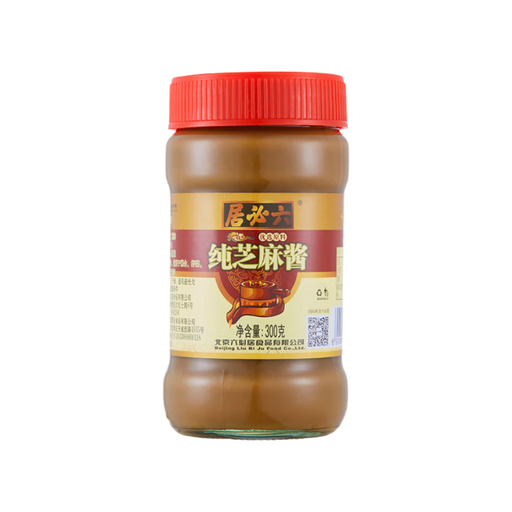
Why This Fits Their Persona: A practical base for cooks who value ingredient simplicity and want control over the final Chinese sesame sauce.
The listed ingredient is sesame, so you can add water, vinegar, soy sauce or chilli separately rather than accepting a fixed flavour.
300g jar; smooth texture; suitable for cold dishes, sesame paste noodles and hot pot dipping sauce.
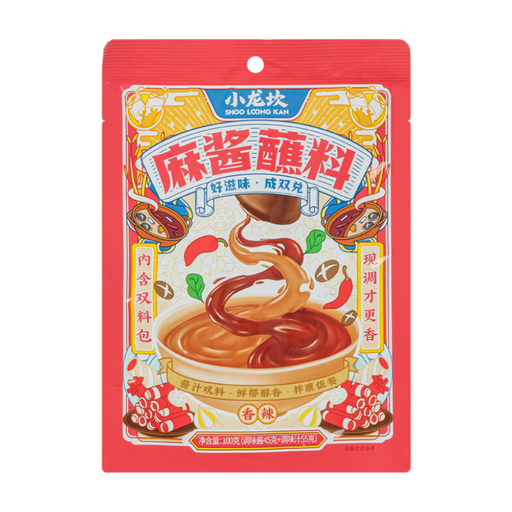
Why This Fits Their Persona: Designed for hot pot enthusiasts and cooks who want a prepared spicy dip in a compact format.
The separate paste and liquid sachets allow staged mixing, helping you achieve a smoother consistency instead of using a thick, unmixed paste.
Contains 45% peanuts and sesame oil; works as a hot pot dip, noodle sauce or cold-dish dressing.

Why This Fits Their Persona: A convenient cupboard option for busy households wanting wide, chewy noodles with sesame and chilli flavour.
The pack states the portion count and gives a preparation time of 5–6 minutes, so the convenience is clear rather than implied.
460g pack with four portions; includes wide wheat noodles, sesame paste, chilli oil and dried vegetables.
We have compiled a complete, real-time list of products that fully satisfy these strict selection criteria and UK safety regulations.
They are both sesame-based pastes, but their flavour and intended use can differ. Chinese sesame paste is commonly made with roasted sesame and used in hot pot, noodles and cold dishes. Tahini is also useful for dressings and spreads, but recipes and roasting styles vary. Stir naturally separated oil into either product before use.
Place a small amount in a bowl and add warm water gradually while stirring continuously. Once smooth, add more liquid until you reach the desired consistency. For savoury sauces, soy sauce, vinegar, stock or chilli oil can be added according to taste.
Follow the storage and use instructions on the packaging. Many products recommend refrigeration after opening and prompt consumption. Keep the lid tightly closed, use clean utensils and discard the product if its appearance, smell or packaging changes noticeably.