
24/7 Customer Support

Free returns

Same-day & Next-day Delivery

Quality Guaranteed

Unlock Your Welcome Offers: FREE Delivery | Up to 80% OFF | Free 30-day JoyPlus trial
Download the APP
Chinese sesame products can add a deep, nutty flavour to noodles, dumplings, stir-fries, desserts and breakfast dishes. However, the wide choice of sesame oil, sesame paste, black sesame seeds, white sesame seeds and ready-to-eat snacks can make comparison difficult.
A low price does not always mean good value, while attractive wording such as “traditional”, “premium” or “natural” may not tell you how a product will perform in your kitchen. The most useful approach is to check the ingredient list, preparation method, storage requirements and intended use before adding an item to your basket.
Sesame oil is often purchased for stir-frying, but many fragrant varieties are more suitable as a finishing oil. Adding a small amount to noodles, soup or cooked vegetables can provide aroma without overwhelming the dish.
Check whether the bottle contains 100% sesame oil, and read the usage instructions. A 150ml bottle may be practical for occasional seasoning, but less suitable if you plan to use sesame oil as your main frying oil.
Sesame paste naturally separates during storage. Some products also require dilution and seasoning before use. If you expect to spoon it directly over food, a paste that needs gradual mixing with warm water, soy sauce or vinegar may be inconvenient.
Also compare the ingredients. A pure product made with sesame alone offers a different cooking experience from an instant dessert powder containing rice, sugar, glucose, nuts or flavourings.
Sesame is a major food allergen under UK food labelling requirements. Products may also contain peanut, soya, wheat or gluten. Always check the current packaging, particularly when buying snacks, glutinous rice balls or blended breakfast products.
Storage is equally important. Sesame oil and dry seeds should generally be kept sealed in a cool, dry place away from direct sunlight. Sesame paste may require refrigeration after opening, while frozen sesame rice balls must remain at -18°C or colder and should not be refrozen after defrosting.
For cooking, look for clear ingredient statements such as Sesame Oil (100%), Sesame or Black Sesame. This makes it easier to understand the flavour and how the item fits into a recipe.
For example:
Compare pack size with how often you cook East Asian food. A 50g or 60g pack of roasted seeds can suit occasional garnishing, while 200g packs are more practical for frequent noodle, salad or baking recipes.
For paste, a 300g jar may suit regular savoury cooking. A 480g instant black sesame paste pack is more appropriate for households that want several breakfast or dessert servings.
Texture affects usability. A smooth paste is easier to dilute into a sauce, while crisp roasted seeds are designed for sprinkling. Frozen rice balls require boiling and careful handling, but offer portioned convenience.
Review the instructions for preparation time, refrigeration and serving. This prevents buying a product that does not match your available kitchen space or cooking routine.
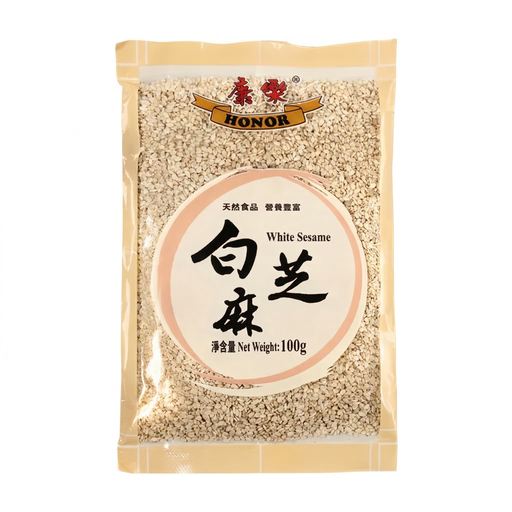
Why This Fits Their Persona: A compact starting point for UK home cooks who want one adaptable Asian sesame ingredient for salads, baking, rice dishes and garnishes.
The listed ingredient is sesame seeds, so shoppers can avoid blends with unexpected sweeteners or flavourings.
100g pack; ready to use; suitable for baking, garnishing or grinding into paste.

Why This Fits Their Persona: Suitable for cooks who prioritise a pronounced sesame aroma in cold dishes, dipping sauces and finishing applications.
The product information specifies 100% sesame oil and identifies cold-pressed processing, making its intended use clearer than a vague blended-oil label.
100% sesame oil; 150ml glass bottle; instructions cover cold dishes, dipping and drizzling.
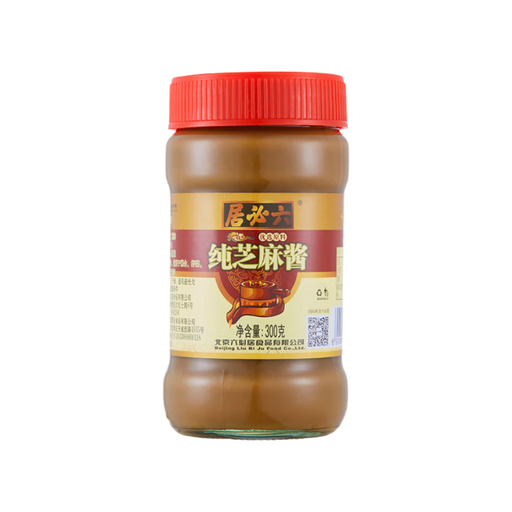
Why This Fits Their Persona: A practical jar for frequent preparation of hot-pot sauce, sesame noodles, cold dishes and savoury dressings.
Its instructions openly state that it should be blended gradually with warm water and seasonings, so buyers can plan for preparation rather than expecting an instant sauce.
300g quantity; smooth texture described as easy to blend; ingredient listed as sesame.
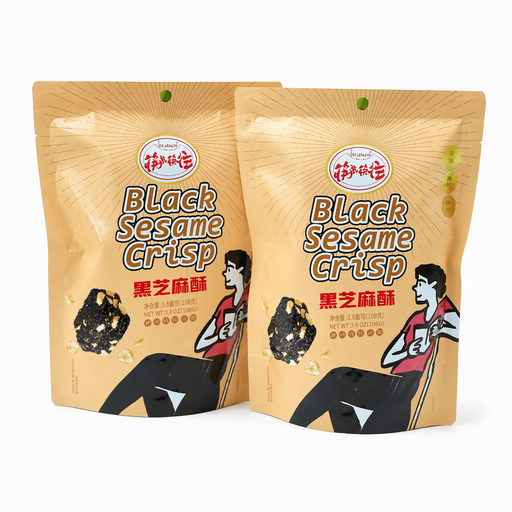
Why This Fits Their Persona: Convenient for shoppers seeking a ready-to-eat Chinese sesame snack for teatime, packed lunches or occasional desserts.
The pack clearly states that it contains 60% black sesame seeds and also identifies peanut, sugar and malt syrup, supporting informed allergen and ingredient checks.
Two 108g packs; ready to eat; can also be crumbled over yoghurt, porridge or ice cream.
For quick weekday meals, a bottle of sesame oil and a pack of roasted seeds cover many uses. Drizzle oil over noodles or dumplings, then add seeds for texture. If you prepare hot pot or cold noodles regularly, sesame paste offers more control over thickness and seasoning.
For desserts, black sesame paste can be mixed into warm water, while sesame rice balls provide a frozen, portioned option. Check freezer capacity before ordering. Synear Mellow Black Sesame Large Glutinous Rice Balls contain black sesame, white sesame and peanut, and require boiling; Spring Home Sesame Rice Ball 200g also needs cooking in boiling water and should be stored frozen.
Shoppers looking for a breakfast format may prefer Nanfang Black Sesame Paste Sugar-Free 480g. Despite the “sugar-free” description, its ingredient list includes rice and black sesame seeds, so compare the full nutritional panel rather than relying on front-of-pack wording alone.
We have compiled a complete, real-time list of products that fully satisfy these strict selection criteria and UK safety regulations.
Yes, many are straightforward to use in familiar dishes such as stir-fries, salads, noodles, porridge and baked goods. Check the preparation instructions, storage requirements and allergen declaration before use.
Keep it tightly closed in a cool, dry place away from direct sunlight. Follow the individual product label and use a clean pouring method to help maintain flavour.
Black sesame paste is ground and ready to dilute into sauces, drinks or desserts. Black sesame seeds are whole and better suited to grinding, baking or sprinkling. Roasted seeds provide a toasted flavour and can usually be used directly from the pack.