
24/7 Customer Support

Free returns

Same-day & Next-day Delivery

Quality Guaranteed

Unlock Your Welcome Offers: FREE Delivery | Up to 80% OFF | Free 30-day JoyPlus trial
Download the APP
Shopping for Chinese snacks online can be convenient, but attractive packaging does not always tell you what you need to know. A sweet biscuit may contain several common allergens, while a large pack of vermicelli may require more preparation than expected. If you are buying Asian snacks for a household, gift, afternoon tea or regular cooking, checking the details before ordering helps prevent waste.
Terms such as “pineapple”, “coconut” or “traditional” describe the expected eating experience, but they do not replace an ingredient list. For example, a pineapple shortcake can include pineapple, winter melon, sugar and pastry ingredients. Checking the quantitative ingredient declaration gives you a clearer idea of the product itself: the Pineapple Shortcake 180g contains 51.55% pineapple filling, while its wheat flour content is 23%.
Chinese biscuits and cakes commonly use wheat flour, egg, soya or milk-derived ingredients. Some products may also contain margarine made with a blend of vegetable oils. Always read the current packaging before serving, particularly when buying Chinese tea-time snacks for guests or as a food gift.
The Pineapple Shortcake 180g contains soybeans, wheat (gluten) and egg. The Seasalt Coconut Cookies 156g contain wheat (gluten), soya and egg. Allergen information should be checked against the packaging because formulations and labelling can change.
Longkou vermicelli, also called Chinese glass noodles, is a dry ingredient rather than a ready-to-eat snack. Pack size, soaking time and intended dish all affect whether it is suitable for your kitchen routine. A product bought for a quick stir-fry may need a different preparation method from one intended for soup or steaming.
For sweet snacks, compare the ingredient list with the front-of-pack description. A higher declared percentage of a featured ingredient can help you understand the product’s composition, although flavour remains a matter of personal preference.
The Seasalt Coconut Cookies contain 25% desiccated coconut, with wheat flour at 30.4% and egg at 6.7%. The Pineapple Shortcake includes pineapple filling, wheat flour and egg, with the product listed as originating from China. These details are more useful than relying only on phrases such as “rich” or “authentic”.
For UK households managing dietary requirements, look specifically for bold allergen declarations covering wheat, gluten, soybeans and egg. The Longkou Vermicelli listed here contains pea starch, mung bean starch and water, with no allergens declared. Nevertheless, check the product packaging and any preparation environment if cross-contact is a concern.
Net weight helps you compare a small treat with a larger pantry purchase:
A larger pack is only economical if you expect to use it before quality declines. Store dry vermicelli in a cool, dry cupboard and reseal it after opening.
Ready-to-eat snacks require no cooking and can be served with tea, coffee or as part of an Asian snack selection. Dry pea starch vermicelli and mung bean vermicelli offer more flexibility but need soaking.
For the October Field Longkou Vermicelli:
If the softened noodles are not being used immediately, mixing them with a little edible oil can help prevent drying and sticking.
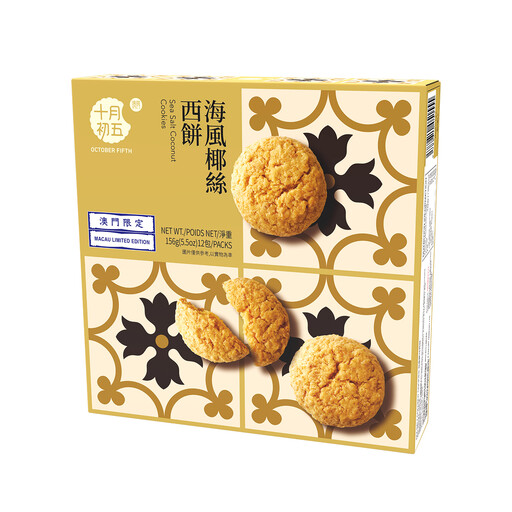
Why This Fits Their Persona: A modest-sized pack gives first-time buyers an accessible way to try Chinese biscuits without committing to a large quantity. They are ready to eat and suitable for a simple tea-time serving.
The listed ingredient percentages and allergen information make the coconut, wheat, soya and egg content clear before purchase.
Contains 25% desiccated coconut; 156g net weight; ready to eat.
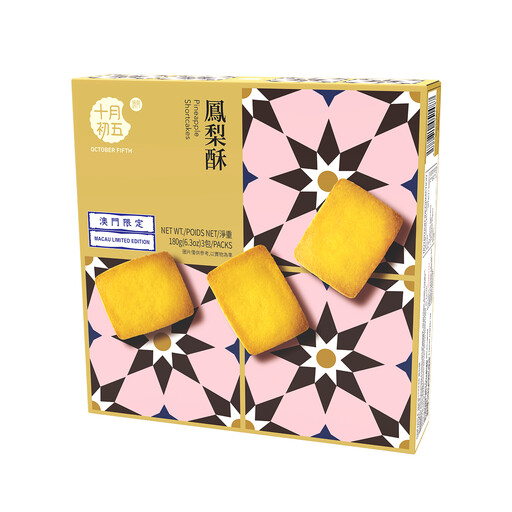
Why This Fits Their Persona: This suits shoppers looking for a more distinctive Chinese tea-time snack or a presentable addition to an Asian food gift selection.
The product details state the pineapple filling percentage, net weight, storage guidance and relevant allergens rather than leaving shoppers to infer them from the name.
Contains 51.55% pineapple filling; ready to eat; 180g pack size.

Why This Fits Their Persona: A 500g pack is designed for regular home cooks who use Chinese glass noodles in several dishes rather than occasional snackers.
The pack gives clear soaking options for cold dishes, stir-fries, soups and steaming, reducing the risk of choosing an ingredient that does not match your cooking routine.
Made with pea starch, mung bean starch and water; no allergens declared; multiple preparation methods.
We have compiled a complete, real-time list of products that fully satisfy these strict selection criteria and UK safety regulations.
Keep packaged biscuits and shortcakes in a cool, dry place, following the storage instructions on the label. Once opened, use a clean, airtight container if the packaging does not reseal securely. The Pineapple Shortcake includes a desiccant packet; do not eat it.
Serve ready-to-eat snacks in small portions with Chinese tea, black tea or coffee. For a mixed snack platter, pair the sweet-tart pineapple filling with the buttery coconut flavour of the cookies. Vermicelli is better treated as a cooking ingredient: drain it thoroughly after soaking and rinse after boiling to help reduce sticking.
Many are ready to eat and can be served alongside tea or coffee. Pineapple shortcake and coconut cookies are convenient Chinese tea-time snacks, but check the allergen declaration before serving guests.
Longkou vermicelli is commonly described as Chinese glass noodles because the cooked noodles become translucent. Preparation varies by product, so follow the stated soaking or boiling instructions rather than assuming every pack cooks in the same way.
Choose a 156g or 180g pack for occasional snacking, gifting or trying a new flavour. A 500g pack of pea starch vermicelli or mung bean vermicelli is more practical for households that regularly cook noodle dishes and can store dry ingredients properly.