
24/7 Customer Support

Free returns

Same-day & Next-day Delivery

Quality Guaranteed

Unlock Your Welcome Offers: FREE Delivery | Up to 80% OFF | Free 30-day JoyPlus trial
Download the APP
Chinese snacks offer far more variety than a typical packet of crisps. You can choose from chewy konjac, seasoned tofu, Sichuan-style mala snacks, sesame paste flavours, prawn crackers, popcorn and Chinese sweets. However, attractive packaging and bold flavour descriptions do not always tell you what you need to know before buying.
This guide from the Joybuy Product Recommendation Officer focuses on practical details, helping UK shoppers compare ingredients, portions, allergens, texture and storage before choosing Chinese snacks for home, work, study or sharing.
Many Chinese konjac snacks and Chinese tofu snacks are suitable for vegetarians, but this does not automatically mean they are free from soya, sesame, peanuts, wheat or gluten. Some products also use flavourings or seasonings that require closer inspection.
Always read the allergen statement rather than relying on front-of-pack wording. For example, sesame paste snacks may also contain peanuts and soya, while dried tofu products can include wheat-based soy sauce.
Konjac-based snacks can have relatively modest energy values per 100g, but seasoning can still contribute considerable salt. One Wei Long hot and sour konjac product lists 8.2g of salt per 100g, while the numbing and spicy version lists 5.0g per 100g.
“Low calorie” should therefore be considered alongside portion size, salt and ingredients. A small individually wrapped pack may be easier to manage than eating directly from a large open bag.
A large box may appear economical, but the useful question is how the snack is packed. Individually wrapped snacks are practical for office drawers, university bags and lunchboxes, while larger loose packs may be more suitable for immediate sharing.
Check whether the product is ready to eat, whether it needs refrigeration after opening and how quickly it should be consumed. This is particularly important for moist konjac or tofu products.
Look for clear ingredient and allergen information suitable for UK shoppers. Common ingredients across Asian snacks include:
If you follow a vegetarian or plant-based diet, check the complete ingredient list. Some products may be vegetarian while others contain egg, fish sauce, shellfish flavouring or animal-derived ingredients.
Use the nutrition panel to compare products consistently. Energy, fat, saturates, sugars, protein and salt are useful starting points. For individually portioned snacks, calculate the approximate amount per sachet rather than judging the whole outer pack.
For example, a 360g box containing 20 packs gives portions of approximately 18g each. This format can be useful when you want a small snack at a time, although the flavour may be strongly seasoned.
“Spicy” can mean chilli heat, sour chilli seasoning or the numbing sensation associated with Sichuan pepper. Mala snacks combine chilli with that distinctive peppery sensation, whereas sesame paste varieties are generally nuttier and more savoury.
For sharing, consider popcorn, prawn crackers or individually wrapped Chinese sweets. For a more filling chewy texture, look at tofu, beancurd or konjac options. Ready-to-eat snacks are convenient, but they should still be stored according to the product instructions.

Why This Fits Their Persona: A familiar, shareable option for shoppers trying different snack styles without committing to a strongly spicy flavour.
The 100g pack is clearly stated, and the product information identifies portion nutrition and storage advice rather than relying only on promotional wording.
Made with wholegrain popcorn, a source of fibre, suitable for vegans and individually easy to serve in a bowl.
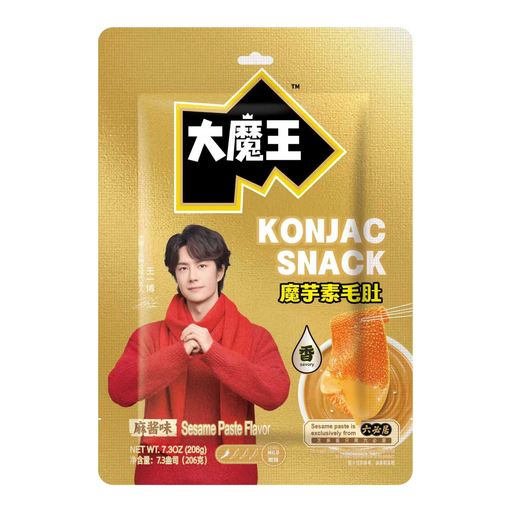
Why This Fits Their Persona: Suits shoppers looking for a chewy, savoury snack with sesame character and a clearly specified multi-pack format.
The pack contains 23 individually wrapped portions, making the quantity and serving format clearer than a single large pouch.
Ready to eat, sesame paste flavour, 206g net weight and individually wrapped sachets for carrying or sharing.
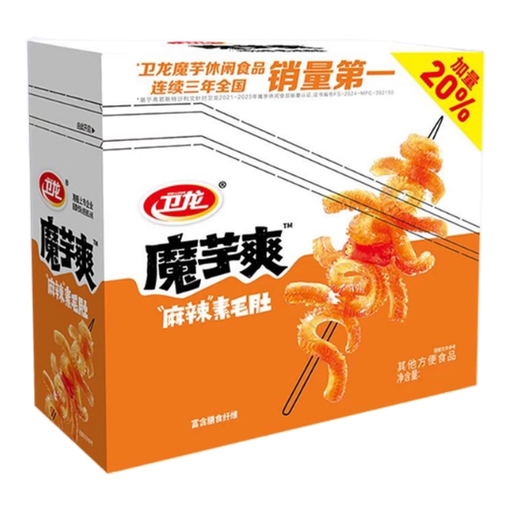
Why This Fits Their Persona: Designed for dedicated fans of intense Sichuan-style flavours who want a substantial supply for repeated snacking or group occasions.
The box specifies 20 individual bags and identifies sesame and soybean allergens, helping buyers assess both portioning and dietary suitability.
360g total weight, 20 individual bags, chewy konjac texture and a numbing-and-spicy Sichuan-style seasoning.
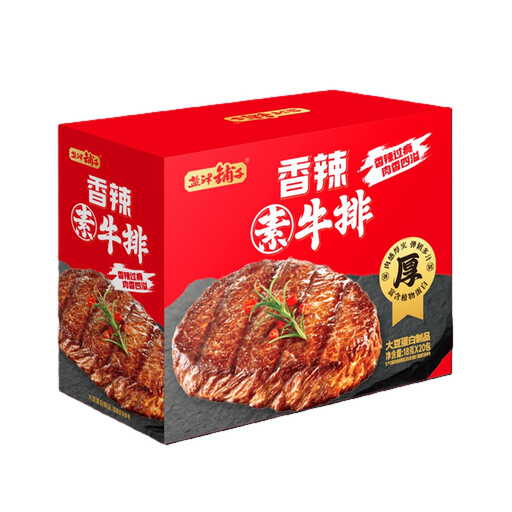
Why This Fits Their Persona: A practical choice for plant-based snackers wanting portable, individually wrapped pieces with a firm, chewy texture.
The 18g × 20 format makes portions straightforward, while the ingredient list identifies soya, wheat and sesame allergens.
Contains 17.2g protein per 100g, offers a Pixian broad bean paste and chilli flavour and is ready to eat.
We have compiled a complete, real-time list of products that fully satisfy these strict selection criteria and UK safety regulations.
Most of the products listed here are ready to eat directly from the packet. Check the individual product instructions, particularly after opening. Some moist snacks may need refrigeration and prompt consumption once the outer packaging is opened.
Konjac snacks, tofu snacks and puffed soybean snacks may be suitable for vegetarians, depending on their seasoning. Always check the full ingredients, as products can contain egg, fish sauce, shellfish-derived flavouring or other animal-derived ingredients.
Unopened products should generally be kept in a cool, dry place away from direct sunlight, unless the packaging says otherwise. Reseal opened products where instructed and refrigerate products that specifically require it. Check the best-before information on the packaging before serving or sharing.