
24/7 Customer Support

Free returns

Same-day & Next-day Delivery

Quality Guaranteed

Unlock Your Welcome Offers: FREE Delivery | Up to 80% OFF | Free 30-day JoyPlus trial
Download the APP
Shopping for Chinese snacks online can be more complicated than it appears. Product photos may show a generous bowl while the actual pack is small, flavour names may not clearly explain whether a snack is sweet, salty or spicy, and imported products can contain allergens that are easy to miss when you are comparing several options.
This guide focuses on practical details that matter to UK shoppers, including ingredients, pack size, flavour profile, storage and suitability for everyday snacking, office drawers, family sharing or parties.
Terms such as Chinese melon seeds, five-spice, walnut flavour or caramel flavour often describe the seasoning rather than the seed or nut itself. For example, sunflower seeds may be flavoured with caramel, coconut or spices without containing the named nut as a main ingredient.
Always check the ingredient list. A product with a “pecan-flavoured” description may contain only a small quantity of pecan, while the primary ingredient remains sunflower seeds.
A 228g bag of shell-on sunflower seeds is not directly comparable with 100g of shelled mixed nuts. Shell-on products provide a traditional eating experience, but the edible portion is lower than the stated net weight.
For office snacks or lunchboxes, individually packed or resealable products may be more convenient. For parties and film nights, larger bags such as 250g or 308g can reduce the need to open multiple packets.
Roasted nuts and seeds can still contain considerable fat, salt or sugar. Seasoned varieties may also contain sweeteners, flavour enhancers or acidity regulators. Use the UK nutrition declaration per 100g to compare products rather than relying on front-of-pack wording.
People with allergies should also read the bold ingredient list and “may contain” statements each time they buy, as recipes and packaging can change.
Under UK food labelling rules, 14 regulated allergens must be clearly emphasised when present. Common examples in this category include peanuts, tree nuts, milk, wheat, soya, sesame, celery and gluten-containing cereals.
This is particularly important for mixed nuts, spicy peanuts and flavoured snack mixes. A product can be suitable for one dietary preference while being unsuitable for a specific allergy. For example:
Choose the flavour according to how the snack will be used. Five-spice snacks and spiced sunflower seeds suit savoury grazing, while caramel sunflower seeds and coconut peanuts provide a sweeter profile.
Check whether the product contains sugar, sweeteners or flavour enhancers. This does not automatically indicate poor quality, but it helps you select a snack that matches your preferences and dietary needs.
Look for a clear best-before date, intact packaging and storage instructions. Most ready-to-eat snacks should be kept in a cool, dry place away from direct sunlight, heat and humidity. Reseal opened packs promptly to help preserve crispness.
Some products include an oxygen absorber or desiccant. These sachets are not food and should be discarded. Once opened, follow the product guidance: some snacks are intended to be consumed promptly, while others recommend eating within one or two weeks.
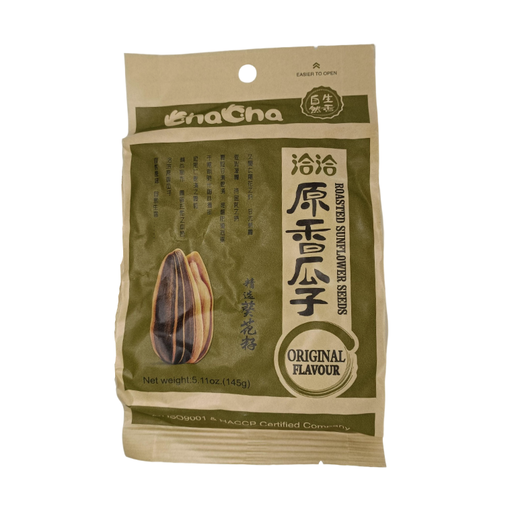
Why This Fits Their Persona: A straightforward entry point for shoppers trying traditional Chinese snacks without committing to a strongly sweet or spicy seasoning.
The original flavour makes the seasoning easier to understand before moving on to caramel, coconut or five-spice varieties.
145g pack; ready to eat; suitable for sharing or casual snacking.
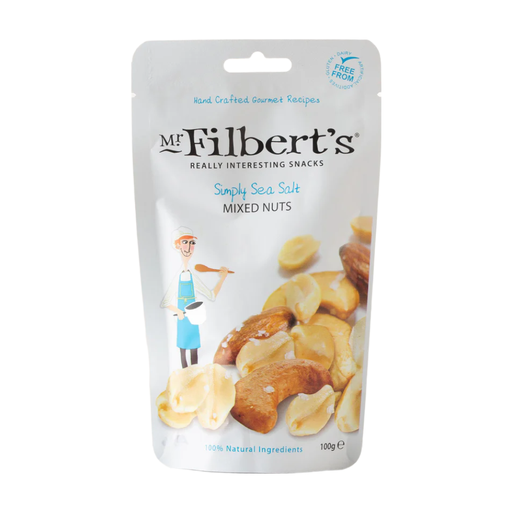
Why This Fits Their Persona: A measured option for shoppers who prefer a simple roasted nuts recipe for desks, drinks tables or everyday cupboards.
The ingredient declaration identifies 98% mixed nuts and separates peanuts, cashews and almonds rather than hiding the blend behind vague wording.
100g portion; sea salt seasoning; contains 7.8g fibre and 26.9g protein per 100g according to the supplied nutrition panel.
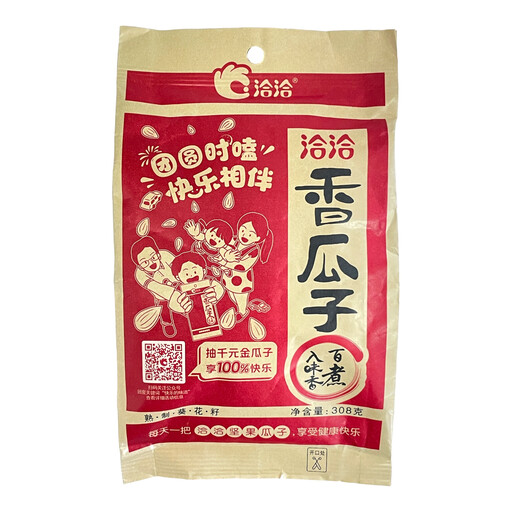
Why This Fits Their Persona: The larger bag works for regular snackers, office sharing, family film nights or hosting guests who enjoy savoury Chinese flavours.
The listed ingredients specify sunflower seeds, salt and spices, while the 308g net weight makes the quantity clear for group use.
Five-spice profile; resealable packaging; ready to eat without preparation.
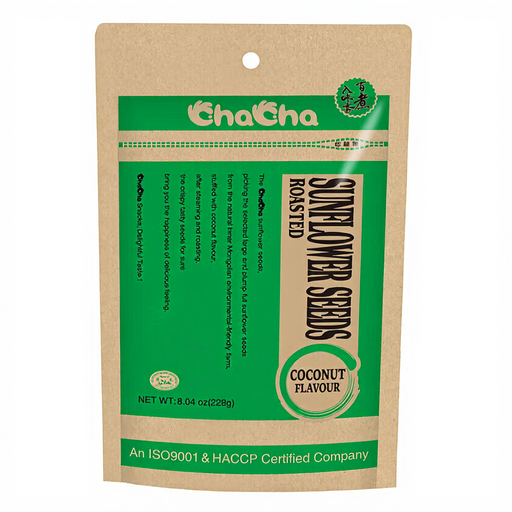
Why This Fits Their Persona: A sweet-and-savoury alternative for sharing platters, informal celebrations or shoppers who find traditional salted seeds too plain.
The ingredient list identifies sugar, desiccated coconut powder and salt, so the sweeter taste is clear before purchase.
228g sharing pack; coconut flavour; resealable storage guidance after opening.
We have compiled a complete, real-time list of products that fully satisfy these strict selection criteria and UK safety regulations.
For a broader selection, compare roasted sunflower seeds, flavoured sunflower seeds, spicy peanuts, roasted pistachios, chestnuts and ready-to-eat snack mixes. Options such as caramel sunflower seeds suit sweet-snack preferences, while roasted nuts and mixed nuts provide simpler savoury choices.
Check each listing individually for its country of origin, allergen declaration, net quantity, best-before date and storage instructions. Product descriptions can vary, so the packaging remains the most reliable source of current information.
Many are sold as ready-to-eat products with English ingredient, allergen and nutrition information. However, suitability depends on the individual product and the shopper’s dietary requirements. Always check the current packaging, particularly for nuts, peanuts, gluten, sesame, soya and milk.
Keep unopened packs in a cool, dry cupboard away from sunlight and humidity. After opening, reseal the bag or transfer the contents to an airtight container. Follow any product-specific instruction, as some snacks should be consumed within a shorter period for quality.
Larger packs of shell-on sunflower seeds, mixed nuts, coconut peanuts and seasoned snack mixes are practical for gatherings. For a varied platter, combine one savoury option, one sweet-flavoured product and one plain roasted-nut option, while keeping allergen information visible to guests.