
24/7 Customer Support

Free returns

Same-day & Next-day Delivery

Quality Guaranteed

Unlock Your Welcome Offers: FREE Delivery | Up to 80% OFF | Free 30-day JoyPlus trial
Download the APP
The fizzy drink aisle in the UK is getting more exciting, with a growing interest in Chinese soft drinks and other Asian sodas. From the delicate taste of lychee to the crispness of white peach, these beverages offer a refreshing change. However, navigating this expanding market can be tricky. Exotic labels and clever marketing can sometimes hide high sugar content or artificial flavours, leading to a disappointing purchase.
As the Joybuy Product Recommendation Officer, my role is to help you see past the hype. This guide will walk you through the common pitfalls to avoid and the key factors to check, ensuring you choose a drink you'll genuinely enjoy.
To make a smart choice, focus on a few key details on the product label. These objective facts will tell you more than any marketing slogan.
The biggest difference between these drinks lies in how they are sweetened. Understanding this helps you match a drink to your dietary preferences.
For an authentic and natural taste, check the ingredients list for the percentage of real fruit juice. A drink stating it contains "concentrated lychee juice (1%)" will offer a more genuine flavour profile than one that only lists "flavourings". Products with a higher juice content, such as "pineapple juice concentrate (10%)", generally deliver a richer and more satisfying fruit experience.
The world of Asian soda UK is split between two main camps. On one side, you have time-honoured brands like Hua Yang 1982 and Dayao, which focus on reviving classic flavours in iconic glass bottles. On the other, you have innovators like Chi Forest (Genki Forest), which are dedicated to creating modern, health-conscious beverages with a "zero sugar, zero fat, zero calorie" philosophy. Your choice depends on whether you're seeking a taste of tradition or a guilt-free modern refreshment.
Based on these practical criteria, here are a few recommendations tailored to different preferences.

Why This Fits Their Persona: This is ideal for anyone seeking a refreshing, flavourful drink without sugar, calories or fat. It's a sophisticated alternative to plain water or traditional diet sodas, perfect for post-workout hydration or a light afternoon treat.
It directly counters the "healthy halo" trap by being transparently 0 sugar, 0 fat and 0 calories. The flavour is derived from natural sources, delivering an authentic lychee taste without relying on misleading marketing.
Uses erythritol as a sweetener, which has a clean taste profile. The formula is also phosphoric acid-free, making it a gentler choice for daily consumption.
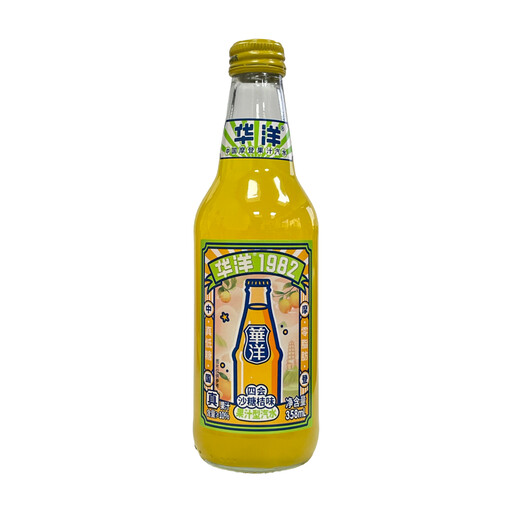
Why This Fits Their Persona: This drink is for those in the UK's Chinese diaspora looking for a taste of home. The iconic glass bottle and classic tangerine flavour offer a powerful sense of nostalgia, perfect for enjoying with a meal or on a warm day.
It avoids the nostalgia trap by being a clearly labelled low-calorie version (10 kcal/100ml). This manages expectations for those who remember the original, while still delivering the familiar flavour profile of a nostalgic Chinese soda.
Made with real mandarin orange and apple juice for a more authentic citrus taste. The retro glass bottle enhances the traditional drinking experience.
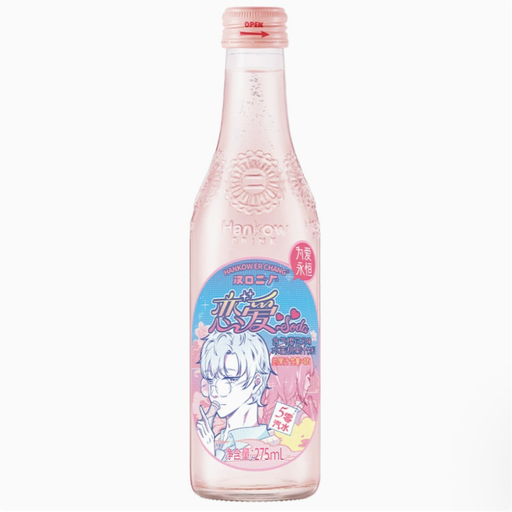
Why This Fits Their Persona: For the adventurous foodie tired of standard cola and lemonade, this drink offers a unique and sophisticated flavour profile. The blend of peach with a delicate floral note of sakura is a taste experience not easily found in mainstream UK shops.
This drink avoids the "flavour vs. reality" trap by containing a solid base of real fruit juice (5% peach juice and 5% apple juice). This ensures the taste is grounded in authentic fruit notes, not just artificial flavourings.
The elegant 275ml glass bottle and unique flavour make it perfect for pairing with meals or serving to guests. It's a low-fat, relatively low-calorie option for an indulgent-tasting drink.
We have compiled a complete, real-time list of products that fully satisfy these strict selection criteria and UK safety regulations.
It depends entirely on the specific product. Many traditional Chinese sodas contain similar sugar levels to their Western counterparts. However, the market has seen a significant shift towards health-conscious options. Brands like Chi Forest (Genki Forest) specialise in zero-sugar, zero-calorie sparkling waters, while heritage brands like Hua Yang now offer low-calorie versions of their classic drinks. Always check the nutritional information to be sure.
While some larger UK supermarkets and local Asian grocery stores are expanding their selections, the most extensive range is typically found online. E-commerce platforms provide access to a wide variety of brands and flavours, from well-known names to niche discoveries, and allow you to easily compare ingredients and prices before you buy lychee drink or other popular flavours.
You will commonly see a few types of sweeteners in low or zero-calorie drinks: