Navigating the world of Chinese condiments can be a flavourful adventure, but it can also be a little overwhelming. Stand in front of a shelf of Chinese soybean paste, and you'll find a vast array of options, each with a unique colour, texture and taste. Whether you're trying to recreate a family recipe or exploring authentic Chinese cuisine for the first time, choosing the right jar is key to achieving the desired result.
This guide is designed to help you understand the different types of soya bean paste available in the UK. We'll break down what to look for based on your cooking needs and provide some clear, practical recommendations to help you make a confident choice.
Choosing the Right Chinese Soybean Paste for Your Kitchen
Before you add a jar to your basket, consider these three points. They will help you narrow down the options and find the perfect paste for your culinary projects.
1. Understand the Flavour Profile
Not all soybean pastes are created equal. They are all a type of fermented bean paste, which gives them a deep, savoury umami character, but the final flavour can vary significantly:
- Salty & Savoury (黄豆酱, Huángdòu Jiàng): Often labelled as yellow bean sauce, this is a foundational paste. It's primarily salty and umami-rich, making it a versatile base for many dishes.
- Sweet (甜面酱, Tiánmiàn Jiàng): This paste has a sweeter, less salty profile, often used in dishes like Peking duck or as a glaze.
- Spicy (辣豆酱, Là Dòu Jiàng): These pastes are infused with chillies, adding a fiery kick alongside the savoury soybean flavour. They are excellent for adding heat to a stir fry paste or a dipping sauce.
2. Consider the Intended Use
How you plan to use the paste will determine the ideal consistency and ingredients.
- For Dipping: A smoother, ready-to-eat paste is often preferable. These can be used straight from the jar as a dipping sauce for fresh vegetables, spring rolls or dumplings.
- For Cooking: Thicker, more concentrated pastes are designed to be used as a Chinese cooking paste. They often require being bloomed in hot oil to release their full aroma before other ingredients are added. These are fundamental for creating authentic braises (like Zha Jiang Mian) and stir-fries.
- For Marinades: Both thick and thin pastes can be used in marinades to tenderise meat and infuse it with a deep, savoury flavour.
3. Check the Ingredients
A quick look at the label can tell you a lot. Many traditional pastes are made with simple ingredients: soybeans, wheat flour, water and salt. Some modern varieties may include sweeteners, flavour enhancers or preservatives. If you have specific dietary preferences, look for products with "no additives" or those made with non-GMO soybeans. Always check the allergens list, as most pastes contain soy and wheat.
Top Chinese Soybean Paste Picks
Here are four distinctive options available in the UK, each suited to different tastes and cooking styles.
Shinho Cong Ban Lv High-Flavour Soybean Paste (300g)
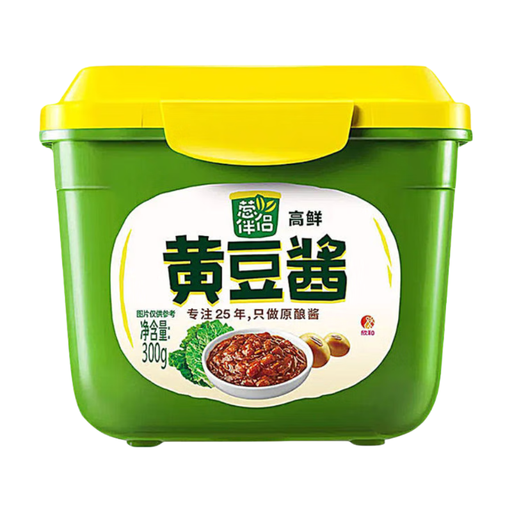
- Why It Stands Out: This paste is designed for convenience. It's ready to eat straight from the box, making it an excellent choice for a quick and flavourful dipping sauce. It is made with non-GMO soybeans and has a balanced, savoury flavour.
- Pros:
- Ready to eat, no cooking required.
- Made with non-GMO soybeans.
- Versatile as a dipping sauce or a simple seasoning.
- Who is it for? Home cooks looking for a convenient, all-purpose paste that works well as a dip for vegetables or a simple flavour base for quick meals.
Liubiju Thick Soybean Paste (250g)
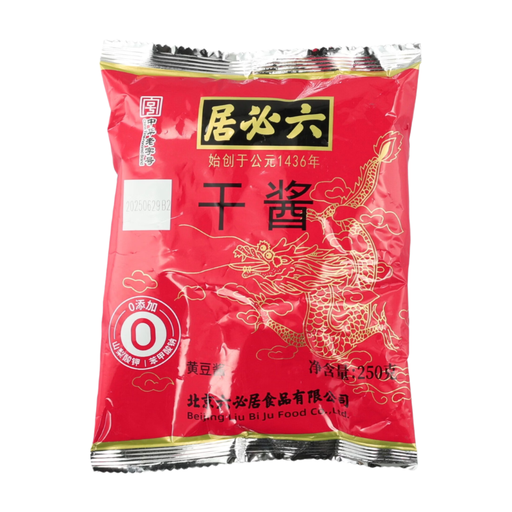
- Why It Stands Out: Liubiju is a historic brand known for traditional fermentation methods. This is a concentrated, dry-style paste with a powerful, salty umami punch. It's an authentic ingredient for classic Northern Chinese dishes.
- Pros:
- Rich, concentrated flavour from a time-honoured brand.
- Simple ingredient list: soybeans, wheat flour, water, salt.
- Excellent for creating complex flavour bases in braised dishes and stir-fries.
- Who is it for? Cooks dedicated to recreating authentic Chinese recipes that call for a traditional, potent fermented bean paste. Note that this paste requires cooking.
Lee Kum Kee Delicious Soya Bean Sauce (800g)
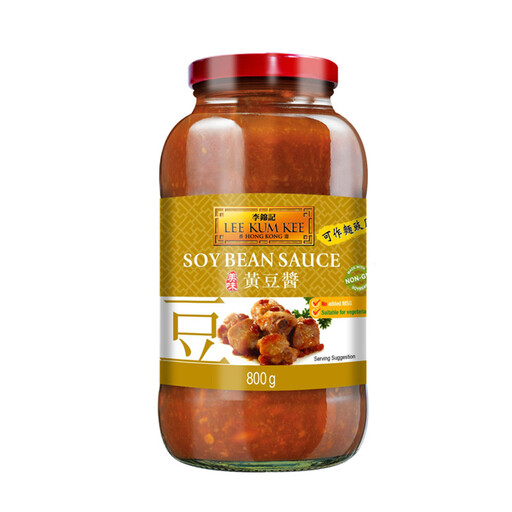
- Why It Stands Out: From a globally recognised brand, this sauce offers a balanced flavour profile by blending savoury soybean paste with nutty sesame paste. Its smooth consistency makes it highly versatile for a wide range of applications.
- Pros:
- Well-balanced flavour with added sesame paste.
- Versatile for stir-frying, dipping and marinating.
- Comes in a large 800g jar, offering good value for frequent use.
- Who is it for? Anyone looking for a reliable, multi-purpose Chinese cooking paste that can be used in many different dishes without overpowering other ingredients.
Haday 0 Additive Hot Soybean Sauce (360g)
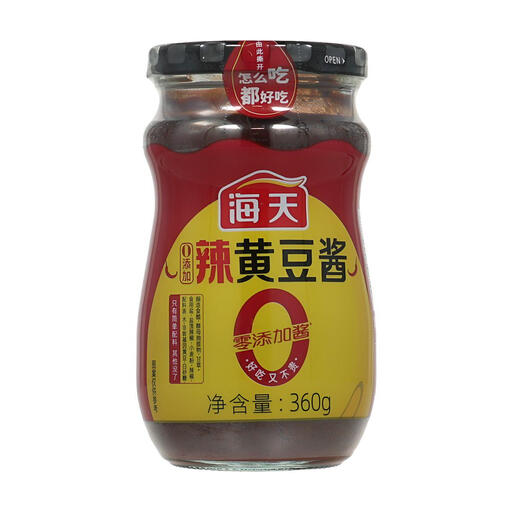
- Why It Stands Out: This paste caters to those who want bold flavour with a clean ingredient list. It delivers a satisfying spicy kick and is made with no artificial additives, preservatives or flavour enhancers.
- Pros:
- Features a "zero additives" formula.
- Provides a good balance of savoury and spicy flavours.
- Ready to use in cooking or as a condiment.
- Who is it for? Health-conscious cooks and anyone who loves spicy food. It's perfect for adding heat and depth to dishes while maintaining a clean ingredient profile.
Looking for More Options?
The world of Chinese Soya Bean Sauce is rich and diverse. If the options above aren't quite what you're looking for, or if you're simply curious to see the full range of flavours and styles, there are many more to discover.
Explore our complete collection to find the perfect paste for your next culinary creation.
[Browse All Chinese Soya Bean Sauce on Joybuy UK](https://www.joybuy.co.uk/explore/chinese-soya-bean-sauce/FDI1RGn3)
Frequently Asked Questions About Soya Bean Paste
1. What is the difference between Chinese soybean paste and Japanese miso? While both are fermented soybean pastes, they have distinct differences. Chinese soybean paste (doubanjiang or huangdoujiang) is often made with whole or coarsely ground soybeans and can include wheat flour, resulting in a saltier, more pungent flavour and a chunkier texture. Miso is typically smoother and made by fermenting soybeans with salt and koji (a fungus), often with rice or barley, giving it a milder, more rounded flavour.
2. How should I store fermented bean paste? Unopened jars can be stored in a cool, dry place like a pantry. Once opened, it is important to seal the container tightly and store it in the refrigerator. This helps to preserve its flavour and prevent spoilage. Always use a clean spoon to scoop out the paste to avoid introducing contaminants.
3. Can I use yellow bean sauce as a substitute for other Chinese soybean pastes? Yes, in many cases. Yellow bean sauce is a versatile, savoury paste that can serve as a good base. However, it lacks the sweetness of Tianmian Jiang or the heat of a spicy soybean paste. If a recipe calls for a specific type, you may need to adjust other ingredients (like adding sugar or chilli) to approximate the intended flavour profile.


