
24/7 Customer Support

Free returns

Same-day & Next-day Delivery

Quality Guaranteed

Unlock Your Welcome Offers: FREE Delivery | Up to 80% OFF | Free 30-day JoyPlus trial
Download the APP
Navigating the world of Chinese soybean paste can feel overwhelming. You see jars and tubs labelled with characters you may not recognise, all promising authentic flavour. Yet, many home cooks in the UK find their dishes don't taste quite right, and it often comes down to choosing the wrong paste. It's a common issue that leads to wasted ingredients and culinary disappointment.
As the Joybuy Product Recommendation Officer, my role is to help you see past the confusing labels and select the right product for your kitchen. Let's look at the common purchasing mistakes and how to avoid them.
To ensure you bring home the right Chinese cooking paste, focus on these three core parameters. They will tell you more about the product's true character than any marketing slogan.
The primary ingredient dictates the fundamental taste and texture.
A quick scan of the ingredients list reveals the intended flavour. Look for terms like "chilli" for spice, "sugar" or "maltose syrup" for sweetness and check the salt content. A high salt content is normal for these preserved products, but the balance with other ingredients is key. A paste intended for dipping might have more sugar and flavour enhancers, while a cooking base will be more purely savoury.
The consistency of the paste affects how you use it.
Instead of a generic list, we've matched specific products to the cooks who will appreciate them most.
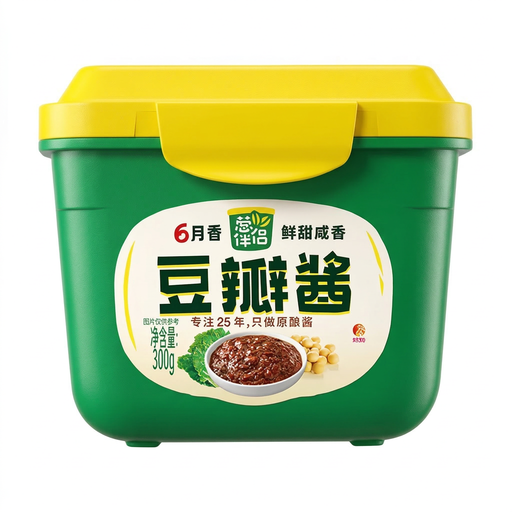
Why This Fits Their Persona: This is a quintessential yellow soybean paste, offering a reliable and versatile savoury flavour. It's the perfect starting point for anyone wanting a go-to paste for general-purpose Chinese cooking, from a quick vegetable stir-fry to a flavour base for noodle sauces.
It sidesteps the "one paste fits all" myth by being a genuine, foundational yellow soybean paste, not a niche flavour. The usage instructions clarify it can be used directly in cooking or diluted, addressing preparation confusion.
Made with non-GMO soybeans, it delivers a consistent and rich umami flavour that enhances a wide variety of dishes without overpowering them.
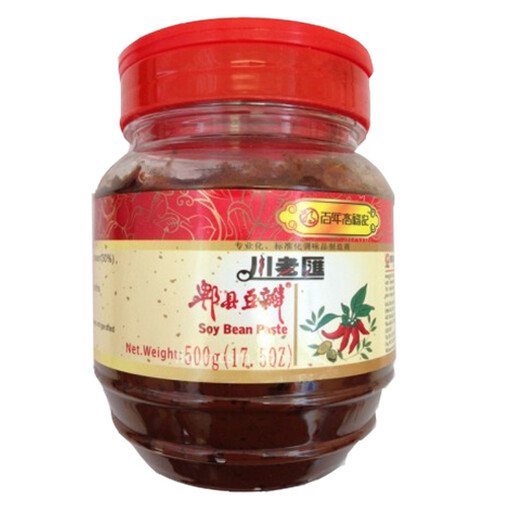
Why This Fits Their Persona: For anyone serious about cooking authentic Mapo Tofu, Kung Pao Chicken or Twice-Cooked Pork, a proper Pixian-style doubanjiang is non-negotiable. This product provides that specific, pungent and spicy flavour profile.
This directly counters the regional flavour pitfall by being a specific Sichuan-style paste made with broad beans and chilli. The instructions clearly state it "needs to be cooked," preventing the mistake of using it raw.
It offers the authentic "estery" aroma from traditional fermentation, which is the hallmark of genuine Pixian doubanjiang and essential for true Sichuan flavour.
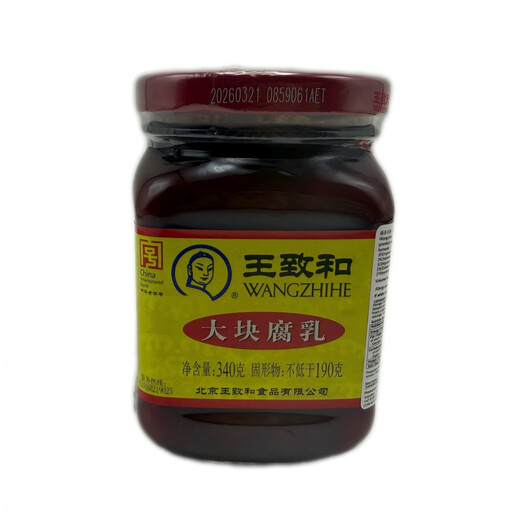
Why This Fits Their Persona: This is for the person who loves adding interesting, potent flavours to their meal at the table. Fermented bean curd is a classic accompaniment to plain rice, congee or steamed buns, offering a creamy, intensely savoury flavour unlike anything else.
It clearly distinguishes itself as a condiment, not a cooking paste, avoiding type confusion. The instructions confirm it is "ready to eat," which prevents someone from trying to stir-fry it incorrectly.
From Wang Zhi He, a brand established in 1669, this product represents centuries of traditional craftsmanship, ensuring an authentic and reliable flavour experience.
We have compiled a complete, real-time list of products that fully satisfy these strict selection criteria and UK safety regulations.
The main difference lies in the ingredients and flavour. Yellow soybean paste (huangjiang) is made from fermented soybeans and is primarily salty and savoury, making it a versatile base for many non-spicy dishes. Doubanjiang, especially the famous Pixian variety, is made from fermented broad beans, soybeans and chillies. This gives it a distinctly spicy, pungent and deeply savoury flavour that is essential for Sichuan cooking.
Thanks to their high salt content, fermented pastes are naturally well-preserved. Once opened, you should seal the container tightly and store it in the refrigerator. While you should always check the specific product's packaging for guidance, most pastes will last for several months. The colour may darken over time due to oxidation, but this typically does not affect the flavour.
Yes, you can. While fermented bean curd (furu) is most famous as a table condiment, it is also a "secret ingredient" in many restaurant kitchens. You can mash a small cube of it with some of its brine and add it to marinades for pork or chicken. It is also famously used to create a uniquely savoury and creamy sauce for stir-fried water spinach (ong choy).