
24/7 Customer Support

Free returns

Same-day & Next-day Delivery

Quality Guaranteed

Unlock Your Welcome Offers: FREE Delivery | Up to 80% OFF | Free 30-day JoyPlus trial
Download the APP
Navigating the world of authentic Chinese spices can feel overwhelming, especially when you're trying to replicate the vibrant, complex flavours of a restaurant-quality dish at home. Many UK home cooks find that even after following a recipe perfectly, the result lacks that crucial, authentic punch. Often, the issue isn't your cooking technique, but the ingredients themselves.
As the Joybuy Product Recommendation Officer, my role is to help you identify the common purchasing pitfalls and understand what to look for. Many shoppers inadvertently buy spices that are either stale, mislabelled or simply not suited for the intended dish. Let's break down the most frequent traps to ensure your money is well spent and your dishes taste as they should.
To build a reliable pantry of Chinese cooking ingredients, focus on a few key parameters. This will help you move beyond generic labels and select spices that deliver genuine flavour.
The choice between whole and ground spices is a trade-off between convenience and quality.
Just as with wine or coffee, the region where a spice is grown significantly impacts its flavour profile. Paying attention to the origin or specific variety can elevate your cooking.
For convenient options like hot pot seasoning or pre-made braising pouches, the ingredient list is your guide. A well-crafted blend for braising meat will often contain ingredients like hawthorn fruit, which has natural tenderising properties, and dried tangerine peel for a citrusy fragrance. This thoughtful composition is what separates a functional blend from a generic one.
Instead of a one-size-fits-all approach, we match products to specific cooking styles and needs. Here are some recommendations based on what UK home cooks are looking for.
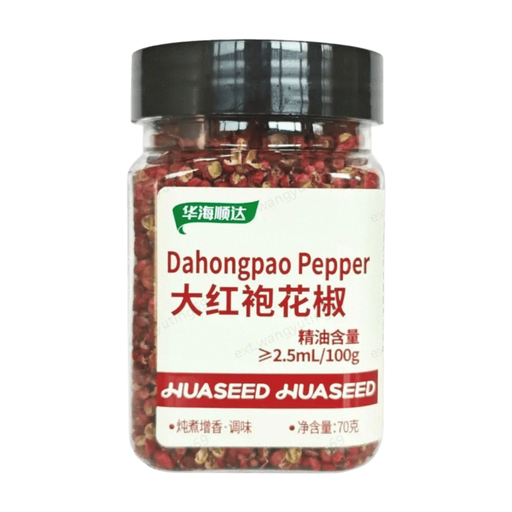
Why This Fits Their Persona: This user is serious about recreating authentic Sichuan dishes like Mapo Tofu or a fiery hot pot. They need the correct peppercorn to achieve the signature numbing ma-la spice sensation, and this Dahongpao variety is specifically selected for that purpose.
It directly solves the "peppercorn mix-up" by providing the correct, high-grade Dahongpao Sichuan peppercorns, not generic or low-quality alternatives.
The whole peppercorns ensure maximum freshness and a potent citrusy aroma. Their vibrant red colour is also an indicator of quality.
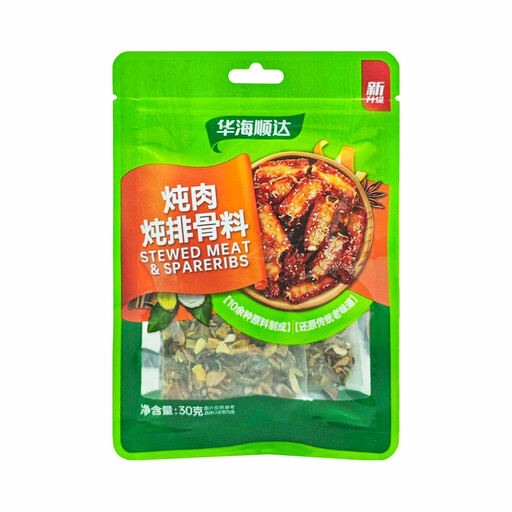
Why This Fits Their Persona: Perfect for the home cook who loves making rich, slow-cooked dishes like red-braised pork or beef noodle soup. This blend removes the guesswork of creating a complex, aromatic stock from scratch.
This pre-portioned sachet contains a balanced mix of over 11 spices, preventing the "potency problem" by ensuring all components are fresh and correctly balanced for braising.
Includes hawthorn to help tenderise tougher cuts of meat and is conveniently portioned for 1-2 kg of meat, ensuring consistent results.
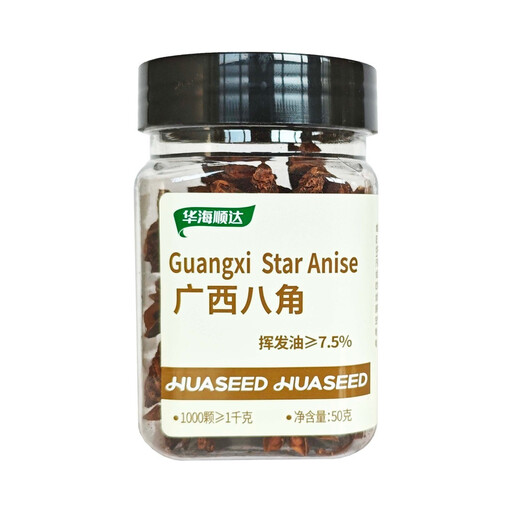
Why This Fits Their Persona: This cook is looking for foundational, high-quality staples to build a versatile Chinese pantry. Star anise is a non-negotiable cornerstone spice, and they want a reliable product that will perform well across many recipes.
By specifying its Guangxi origin, a premier growing region, it signals a higher quality and more potent aroma than generic, unlabelled alternatives. The whole pods avoid the "potency problem."
These are well-formed, whole star-shaped pods, indicating careful selection. This makes them an essential and reliable ingredient for adding depth to soups, marinades and braised dishes.
We have compiled a complete, real-time list of products that fully satisfy these strict selection criteria and UK safety regulations.
To maximise their lifespan, store whole spices like Sichuan peppercorns and star anise in airtight containers away from direct sunlight, heat and moisture. A cool, dark cupboard is ideal. Avoid storing them above your cooker, as the fluctuating heat and steam can degrade their quality quickly.
Cassia bark (肉桂, ròu guì) is the most common "cinnamon" used in Chinese cuisine, especially for rich, savoury braises. It has a strong, pungent and slightly bitter flavour. What is often sold as "true cinnamon" (from Ceylon) is more delicate and sweet, and is less commonly used in the robust meat dishes where cassia excels. The key is to buy good quality cassia with a thick bark and strong aroma, rather than the thin, flavourless sticks sometimes found in supermarkets.
While you can, it is generally not recommended for achieving the best flavour. The numbing compound in Sichuan peppercorns is volatile and diminishes rapidly once ground. For a vibrant hot pot seasoning, using whole peppercorns, lightly toasted and added to the broth, will provide a much more potent and authentic málà tingle.