Last-minute takeaway add-on shoppers
A single tin lets you add tuna to rice, noodles or leftovers without opening a multipack. Tesco, Asda and Sainsbury’s list single spring-water tins as examples of this format.


For a strongly seasoned Chinese takeaway, a single tin of tuna chunks in spring water is a flexible starting point because it does not add brine or packing oil to the dish. Choose brine if a saltier addition suits the meal, or oil-packed tuna if you want a richer finish. Check the tin size, packing liquid, allergen information and can condition before buying.
A single tin lets you add tuna to rice, noodles or leftovers without opening a multipack. Tesco, Asda and Sainsbury’s list single spring-water tins as examples of this format.
If the takeaway is already strongly seasoned, the choice between spring water, brine and oil affects what the tuna brings to the dish. Princes and Tesco list tuna chunks in different packing liquids.
Anyone serving a person with a fish allergy, considering NHS guidance on tuna during pregnancy, or checking a can for damage needs to settle those questions before deciding which flavour suits the meal.
Match the packing liquid to the takeaway first, then choose a usable tin size and check the label and can before serving.
| Concern | What to check | Who this matters to |
|---|---|---|
| Fit with the meal | Choose spring water for a more neutral addition, brine for a saltier note or oil for a richer finish. Check the exact packing liquid on the label. | If my takeaway has a strong sauce, I want the tuna to fit its flavour rather than add an unwanted packing liquid; about 40% of consumers put meal fit first. |
| One-tin portion | Check whether the pack is one tin or a multipack, and compare net weight with drained weight. Follow the pack directions for any leftovers. | For one dinner, I would rather open a tin I can use than commit to several; roughly 30% of consumers make one-tin convenience their primary need. |
| Pack choice and availability | Check the tin format and drained weight of options available to you rather than assuming similarly sized tins yield the same portion. | If I am picking up tuna specifically for tonight, I need an available single tin with enough drained fish for the dish; about 20% of consumers prioritise that pack choice. |
| Label and can checks | Check fish allergen information, the date and can condition. If pregnancy-related tuna guidance applies, consider total intake across the week. | When I am serving someone with a fish allergy, considering pregnancy guidance or inspecting a damaged can, those checks take precedence; approximately 10% of consumers put them first. |
Brine contributes a saltier note, while an oil-packed tin adds oil to the dish. Either may change a takeaway that is already heavily seasoned.
Read the exact variant on the can: start with spring water for a more neutral addition, or choose brine or oil when you want their contribution.
Tuna is fish and is unsuitable for someone with a fish allergy. The NHS also gives specific weekly tuna limits for people who are pregnant or trying for a baby.
Check allergen information for the tuna and takeaway separately. Where NHS pregnancy guidance applies, consider tuna eaten across the week, not just at this dinner.
Reading Borough Council advises against buying damaged cans. Once opened, storage directions can be specific to the product.
Choose an intact can and follow its label if any tuna remains. For its spring-water tuna, M&S instructs shoppers to transfer leftovers to a non-metallic container, refrigerate them and eat them within two days.
John West lists standard spring-water tuna chunks and a No Drain spring-water line.
Princes lists tuna chunks in spring water, brine and sunflower oil, giving shoppers a packing-liquid choice.
Tesco lists 145g single tins of tuna chunks in spring water, brine and sunflower oil.
Sainsbury’s lists a 145g single tin of tuna chunks in spring water.
Asda lists a 145g single tin of tuna chunks in spring water.
M&S lists a 160g single tin of spring-water tuna chunks, an option for shoppers considering a different stated tin size.
These tuna-chunk tins offer spring-water, brine and sunflower-oil choices for adding one tin to a Chinese takeaway. Match the packing liquid to the dish, then check the current pack label.
 Image unavailable
For a strongly seasoned takeaway, the spring-water packing avoids adding brine or packing oil. This is a 145g single tin; check its drained weight if you are planning the portion.
 Image unavailable
This 160g spring-water tin offers a different stated size if you want tuna alongside rice or noodles without adding packing oil. Check the drained weight and current allergen information on the pack.
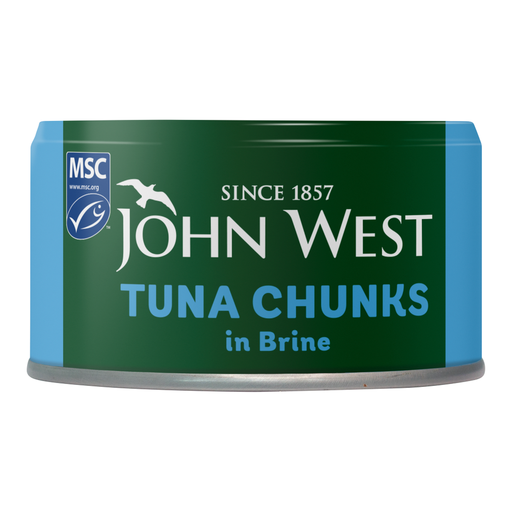 Image unavailable
Consider this brine-packed tin when a saltier tuna addition suits plain rice or vegetables. Its stated tin weight is 125g; check the label’s drained weight and salt information for the exact product.
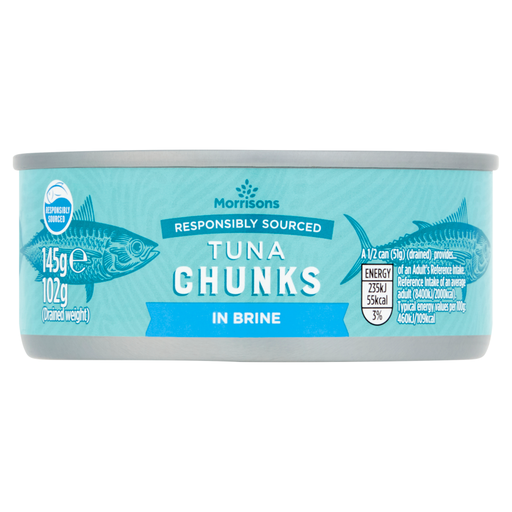 Image unavailable
This 145g single tin is another brine-packed choice for a meal where a savoury addition is wanted. If the takeaway is already salty, check the product’s salt information before choosing it.
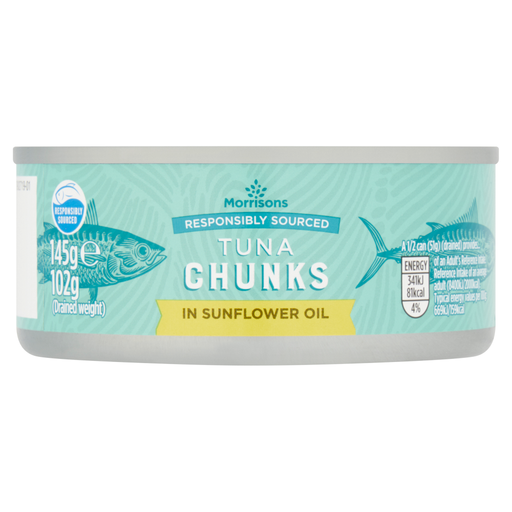 Image unavailable
Choose the sunflower-oil packing if you want oil alongside the tuna rather than the more neutral spring-water option. The stated tin weight is 145g; check its drained weight when deciding how much to use.
Spring-water tuna is a useful starting point when the takeaway already has a strongly flavoured sauce, because its packing liquid does not add brine or oil. Choose brine for a saltier note or oil-packed tuna for a richer finish if either suits the dish better.
Follow the directions on the tin you bought. For its cited spring-water tuna, M&S says to transfer unused contents to a non-metallic container, refrigerate them and eat them within two days; do not assume every product has the same instructions.
No: tuna is fish. Check the tuna label and the takeaway’s allergen information separately, as the other dishes or sauces need their own checks.
The NHS says that people who are pregnant or trying for a baby should have no more than four cans of tuna a week or two tuna steaks a week. That weekly guidance covers tuna eaten beyond this one meal.
Avoid buying a damaged can. Reading Borough Council advises checking can condition; a valid date does not replace that check.