
24/7 Customer Support

Free returns

Same-day & Next-day Delivery

Quality Guaranteed

Unlock Your Welcome Offers: FREE Delivery | Up to 80% OFF | Free 30-day JoyPlus trial
Download the APP
Finding suitable Chinese tea and Asian food products online can be more complicated than it appears. Product titles may highlight tradition, wellness or premium ingredients, while the details that affect your purchase—such as allergens, storage, caffeine, sugar and preparation—are often lower down the page.
This guide explains what UK shoppers should check before buying Chinese loose leaf tea, low-sugar tea drinks, frozen dumplings, tangyuan and pickled mustard greens.
Words such as “detox”, “skin glow”, “stress relief” or “energy boost” describe positioning rather than guaranteed results. Tea should be selected by its ingredients, flavour profile, caffeine information, pack size and brewing method, not by implied health outcomes.
For example, a white tea containing Fuding Shou Mei and osmanthus may offer a floral, lightly sweet drinking experience. However, it should not be purchased as a medical or cosmetic treatment.
Chinese tea includes several distinct styles:
Check the ingredient list and preparation instructions rather than relying only on the product name. A loose-leaf tea may require a teapot, infuser and temperature control, while tea bags or unsweetened bottled tea are easier for offices, university accommodation and commuting.
Frozen and ambient products have very different requirements. Frozen Chinese dumplings should generally remain at -18°C or below and must not be refrozen after thawing. Ambient pickled vegetables may need refrigeration once opened.
For UK households, also check allergens in bold on the packaging. Dumplings commonly contain wheat, soya and sesame, while some pickled products contain sulphites. The nutrition panel is equally important: pickled mustard greens can be high in salt, even when their calorie content is modest.
Look for the exact tea category and any added ingredients. A scented blend may combine black or green tea with rose, jasmine or osmanthus. If you are sensitive to caffeine or intend to drink tea late in the day, check the product information carefully; “low caffeine” is not the same as caffeine-free.
A product such as Tea Story Osmanthus White Tea provides 24 individually wrapped 2g tea bags, with instructions for brewing at 90–95°C for two to five minutes. This is more convenient than loose leaf tea, while still identifying the tea and flower ingredients clearly.
Compare the number of servings rather than the front-of-pack weight alone. A 100g loose-leaf pack may produce many cups, but serving size depends on whether you use 2g, 3g or 5g per infusion. Gift boxes containing 12 tins can provide presentation value, but may cost more per cup than a larger everyday pack.
For bottled tea, consider total volume. A 15-pack of 500ml bottles provides 7.5 litres, which may suit households or workplace storage better than buying single bottles.
Check whether the item is ready to consume or requires cooking. Frozen dumplings and tangyuan contain raw or partially prepared ingredients and must be cooked thoroughly according to the label.
For example, frozen pork and Chinese leaf dumplings can be boiled for 6–8 minutes, steamed for 10–12 minutes or pan-fried until fully cooked. Black sesame tangyuan should be placed into boiling water without thawing and cooked until they float, followed by additional cooking time.
Pickled vegetables also vary. Some are ready to eat, while shredded mustard greens may need rinsing before cooking to reduce saltiness.
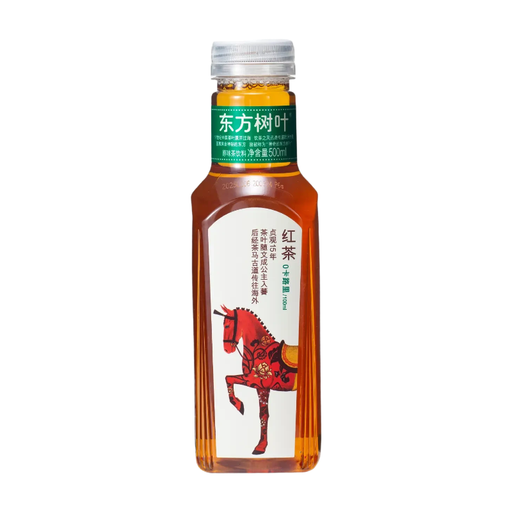
Why This Fits Their Persona: A ready-to-drink option for students, commuters and first-time buyers who want Chinese black tea without buying brewing equipment.
The label identifies tea extract, bottle size and zero sugar and zero calories per 100ml, rather than relying only on promotional wording.
500ml PET bottle; ready to drink; listed as containing no added sugar, preservatives or artificial flavours.
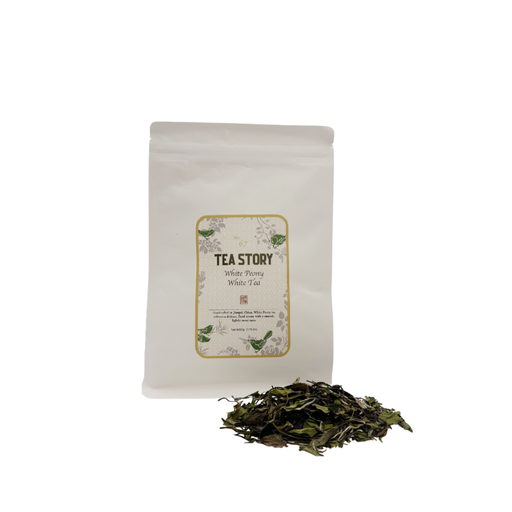
Why This Fits Their Persona: Suitable for tea drinkers who enjoy traditional preparation and want to adjust leaf quantity and infusion time.
Its Fuding White Peony ingredient and loose-leaf format are specified, making the tea style clearer than a vague “premium” label.
100g loose leaf; recommended 90–95°C brewing; leaves can be infused several times.

Why This Fits Their Persona: A practical case-size choice for families, shared flats and workplaces that regularly serve chilled green tea.
The pack quantity and total volume are clear, while the nutrition panel states zero sugar and zero calories per 100ml.
15 x 500ml bottles; ready to drink; suitable chilled or at room temperature.

Why This Fits Their Persona: A convenient frozen meal component for busy UK households seeking a familiar Chinese dumpling filling.
The filling percentages and allergens are listed, so shoppers can check pork, cabbage, wheat, soya and sesame before ordering.
400g frozen pack; suitable for boiling, steaming or pan-frying; clear cooking guidance.
We have compiled a complete, real-time list of products that fully satisfy these strict selection criteria and UK safety regulations.
Keep it in an airtight container in a cool, dry place away from sunlight, heat, humidity and strong odours. Reseal the original pack after each use. Follow any product-specific instructions, particularly for delicate white tea and scented blends.
They can be convenient options where the label shows no added sugar and the nutrition panel lists zero or low sugar. Check the full ingredients list, caffeine information and serving size rather than assuming every bottled tea has the same composition.
Confirm freezer delivery availability, pack weight, cooking instructions and allergens. Keep products at -18°C or below, do not refreeze after thawing, and cook thoroughly. For tangyuan, also check the sugar content and sesame or wheat allergen information if serving guests.