
24/7 Customer Support

Free returns

Same-day & Next-day Delivery

Quality Guaranteed

Unlock Your Welcome Offers: FREE Delivery | Up to 80% OFF | Free 30-day JoyPlus trial
Download the APP
As a Joybuy Product Recommendation Officer, my role is to help you navigate the crowded online marketplace. When it comes to versatile staples like Chinese tofu & bean curd, the sheer variety can be overwhelming. From delicate sheets to savoury snacks, choosing the right product is key to perfecting your dish or satisfying a craving. However, many shoppers find themselves with products that don't meet their expectations, often due to a few common pitfalls.
This guide will help you understand the essential differences between various bean curd products, avoid common purchasing mistakes and select the right option for your culinary needs, whether you're planning a hot pot night, a quick stir-fry or just looking for a high-protein snack.
Many first-time buyers, and even some seasoned cooks, can be caught out by misleading packaging or a simple lack of information. Here are the main issues to watch for:
To avoid these issues, focus on three core parameters before adding any product to your basket. This ensures you get exactly what you need for your kitchen.
The most critical distinction is whether the product is designed for cooking or immediate consumption.
A quick scan of the ingredients list tells you everything about the product's purpose.
The form of the bean curd dictates its final texture and best use.
Based on these criteria, we've matched a few standout products to different UK lifestyles and cooking habits.
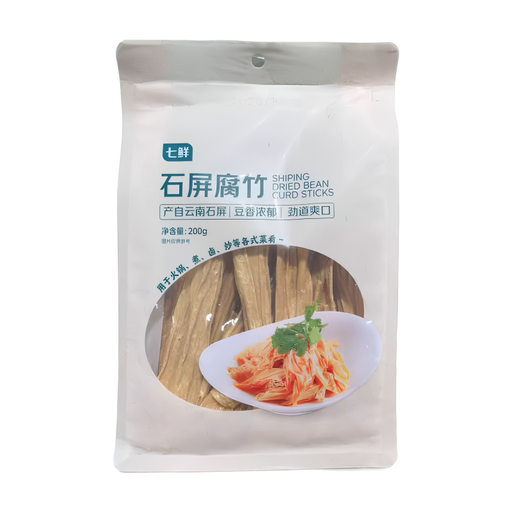
Why This Fits Their Persona: Perfect for someone hosting a hot pot night in the UK. These sticks are designed to soak up rich, flavourful broths without falling apart, providing a satisfyingly chewy texture that complements other ingredients.
Its simple ingredient list (just soybeans) avoids the "hidden additives" pitfall. The clear instructions for soaking also prevent the "preparation puzzle," ensuring a great texture every time.
Made using the traditional Shiping technique, which is known for producing a rich bean flavour and a superior, layered texture. High in plant-based protein (43.7g per 100g).
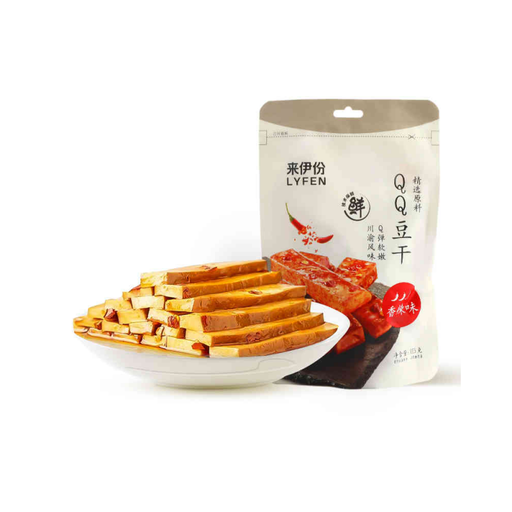
Why This Fits Their Persona: This is for the person seeking a quick, flavour-packed vegetarian protein hit. It's ideal for a work lunchbox, a post-gym snack, or something to enjoy while watching TV, fitting easily into a busy UK lifestyle.
It is explicitly labelled "ready to eat," completely avoiding the texture mismatch pitfall. The ingredients are listed transparently, so you know it's a seasoned snack, not a plain cooking ingredient.
Features a satisfyingly chewy "QQ" texture and a bold, spicy flavour profile. It's a convenient and tasty way to get a plant-protein boost without any cooking required.
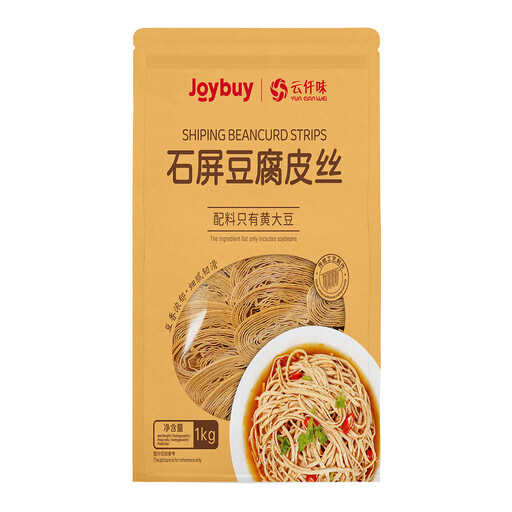
Why This Fits Their Persona: This 1kg bulk pack is ideal for the serious home cook or large family in the UK that uses tofu skin regularly in stir-fries, salads and soups. It offers excellent value and consistent quality for authentic Asian cooking.
The ultra-simple ingredient list ("Yellow soybeans(100%)") guarantees a pure, unadulterated product. The emphasis on its traditional production method assures the buyer of its authentic texture and flavour, avoiding the pitfall of a bland, mass-produced item.
Excellent value with a 1kg bulk pack. The tofu skin is pre-cut into fine strips, saving significant preparation time. It's known for a smooth, chewy texture that absorbs flavour well.
We have compiled a complete, real-time list of products that fully satisfy these strict selection criteria and UK safety regulations.
1. How do I properly rehydrate dried bean curd sticks? The general rule is to soak them in warm (not boiling) water for 30-60 minutes or until they are pliable and have no hard core. Some very thick sticks may require a few hours in cold water. Always check the package instructions, as soaking times can vary. Once rehydrated, drain them well before adding to your dish.
2. What is the difference between tofu skin (yuba) and bean curd sticks (fuzhu)? They are essentially the same product—the film that forms on top of heated soy milk. However, the terms often refer to different forms. Tofu skin or beancurd sheets usually refer to the thin, delicate sheets. Bean curd sticks or fuzhu are made by rolling or folding these sheets into thicker, denser sticks, which results in a chewier, more substantial texture after cooking.
3. Can I eat dried bean curd without cooking it? No. Dried bean curd products like sticks and sheets are not cooked and must be rehydrated and cooked before consumption. They are hard and brittle in their dried state. Only products explicitly labelled as "ready to eat" are safe to consume directly from the package.