
24/7 Customer Support

Free returns

Same-day & Next-day Delivery

Quality Guaranteed

Unlock Your Welcome Offers: FREE Delivery | Up to 80% OFF | Free 30-day JoyPlus trial
Download the APP
Chinese tofu and bean curd products cover far more than plain tofu. The category includes tofu skin, bean curd sheets, dried tofu snacks, dried bean curd sticks, tofu rolls, fried bean curd and frozen hot pot ingredients. They can work as savoury snacks, plant-based protein snacks or ingredients for soups, stir-fries and Chinese dishes.
The challenge is that similar-looking packs can require completely different preparation, storage and cooking methods. A product described as “tofu snack” may be ready to eat, while tofu skin or dried bean curd sticks may need soaking and thorough cooking. Checking the label before buying helps prevent unsuitable purchases and food waste.
Dried tofu snacks and ready-to-eat tofu snacks are usually seasoned, portioned and suitable for eating directly from the packet. By contrast, many bean curd sheets, tofu skin products and dried bean curd sticks require soaking or cooking.
For example, ZF Tofu Skin states that it must be soaked and cooked, and should not be eaten raw. Great Harvest Dried Bean Curd Stick requires 30–60 minutes of soaking before use. Always check the “Instructions for use” section rather than relying on the product name.
Most traditional soya-based products are suitable for vegetarians, but not every bean curd roll is. First Choice Sweetcorn Beancurd Roll contains fish paste, so it is not suitable for vegetarians or vegans. Other products may contain wheat, sesame, sulphites or animal-derived flavourings.
Read the full ingredient list and allergen statement. A product marketed as having a meat-style flavour is not automatically free from animal ingredients.
Frozen tofu products need freezer storage at -18°C or below, while shelf-stable snacks generally require a cool, dry place. Once opened, some products should be refrigerated or consumed promptly.
Seasoned dried tofu snacks can also contain considerably more salt than plain tofu ingredients. For comparison, the supplied nutrition information lists salt at 3.13g per 100g for Zhou Hei Ya Braised Dried Tofu, while Yun Shan Ban Tofu Skin lists 0.019g per 100g. These are different product types, but the figures show why comparing nutrition panels matters.
Choose according to how you intend to use the product:
The percentage of soya beans or soya protein can help indicate what type of product you are buying, although it does not alone determine texture or flavour. HAIDILAO Tofu Skin 120g lists 75% soya beans, while ZF Tofu Skin lists 90% soya. Honor Soybean Roll lists 85% soya beans and provides 46.2g protein per 100g.
Compare the panel on a like-for-like basis. Seasoned snacks may include oil, sugar and flavour enhancers, while plain tofu skin can offer a more adaptable base for home cooking.
Under UK food labelling requirements, declared allergens should be clearly identified. Common allergens in this category include:
Check the packaging for the latest ingredient and allergen information, particularly if buying for children or anyone with a food allergy. Products containing sweeteners, preservatives or colourings should also be assessed according to your own dietary preferences.
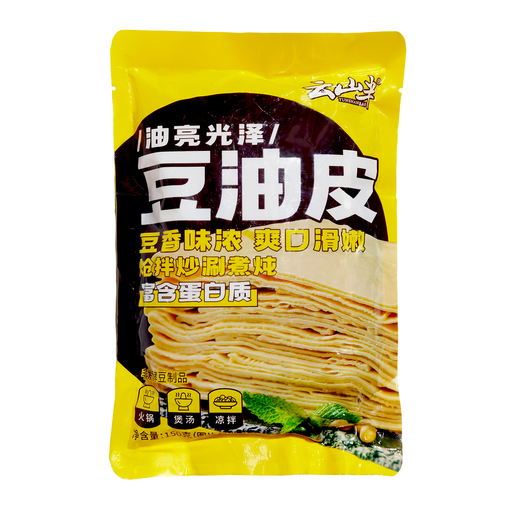
Why This Fits Their Persona: A simple soya, water and edible alcohol ingredient list makes this a practical starting point for shoppers exploring tofu skin in Chinese cooking.
It is presented as a cooking ingredient rather than an instant snack, helping buyers plan for preparation before opening the pack.
150g pack; 39.2g protein per 100g; suitable for Chinese cuisine.
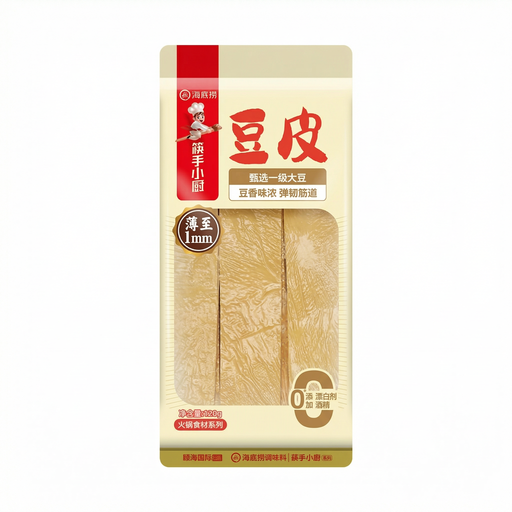
Why This Fits Their Persona: Suitable for shoppers who want one tofu skin product for hot pot, cold dishes and stir-fries.
The pack clearly states that it can be eaten ready to eat or rehydrated, while also giving a 10–20 minute soaking guide.
75% soybean content; 30.1g protein per 100g; 120g pack.
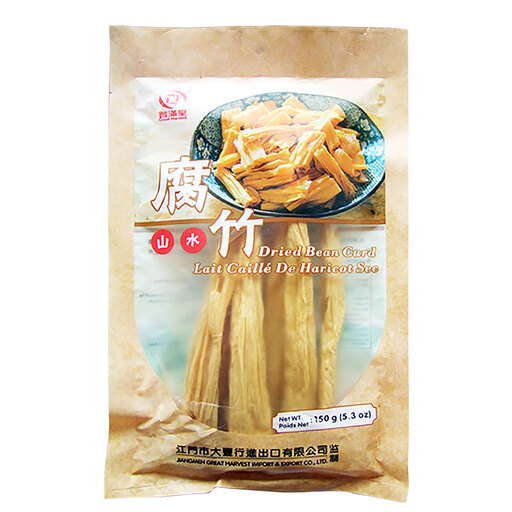
Why This Fits Their Persona: A useful option for regular hot pot cooks, meal preparers and households that want a dry-store ingredient.
The preparation time and cooking requirement are specified, so it is less likely to be mistaken for a ready-to-eat snack.
150g dry format; 46.9g protein per 100g; works in hot pot, braises, soups and stir-fries.

Why This Fits Their Persona: Individually portioned sachets suit work bags, packed lunches, sharing and low-preparation snacking.
It is labelled ready to eat, removing the need to soak, boil or prepare it before serving.
Seven sachets; 12g protein per 100g; mala seasoning with chilli and Sichuan pepper.
For hot pot, consider tofu skin, soybean rolls, fried bean curd or frozen filled tofu. Porous and layered products absorb broth quickly, while firmer sheets retain more bite. For stir-fries and cold dishes, select tofu skin with clear soaking instructions and cut it into strips after softening.
For portable vegetarian Asian snacks, look for individually wrapped dried tofu or soya-protein products. Check whether they contain wheat or gluten if you require a soya-only option. For plant-based protein snacks, compare protein, salt and serving size rather than relying on flavour descriptions.
We have compiled a complete, real-time list of products that fully satisfy these strict selection criteria and UK safety regulations.
Many plain tofu skin, dried tofu and soya-based snacks are vegetarian, but this must be confirmed from the ingredients. Fish paste appears in some bean curd rolls, while wheat gluten is used in certain vegetarian “beef” snacks. Vegans should also check flavourings and processing ingredients.
Soak them in warm water for around 30–60 minutes, until softened. Drain and rinse before adding them to hot pot, soups, braises or stir-fries. Follow the individual pack instructions, as preparation times can vary.
Shelf-stable snacks are generally stored in a cool, dry place before opening. Frozen filled tofu, fried bean curd and frozen vegetable tofu products must remain frozen. After opening, reseal or refrigerate where instructed and consume promptly.