
24/7 Customer Support

Free returns

Same-day & Next-day Delivery

Quality Guaranteed

Unlock Your Welcome Offers: FREE Delivery | Up to 80% OFF | Free 30-day JoyPlus trial
Download the APP
Navigating the world of Chinese tripe can be a challenge, especially with the growing variety available online. Many shoppers in the UK, eager to recreate an authentic hot pot or find a satisfyingly spicy snack, end up disappointed. It is common to spend money on products that fail to deliver the right texture or flavour.
As the Joybuy Product Recommendation Officer, my role is to help you sidestep these common issues. This guide will clarify the key differences between products and highlight what to look for, so your next purchase is exactly what you hoped for.
To avoid disappointment, focus on these three core parameters. They are the key to matching the product to your culinary goal.
For those seeking authentic beef tripe, the specific cut is crucial. It dictates both cooking time and final texture.
The rise of vegetarian tripe has introduced a popular and versatile option. This product is not meat but is made from konjac, a root vegetable.
When selecting a ready-to-eat snack or seasoned product, understanding the flavour profile is key.
Here are a few options that align with different needs, from hosting a hot pot dinner to finding a convenient, flavourful snack.
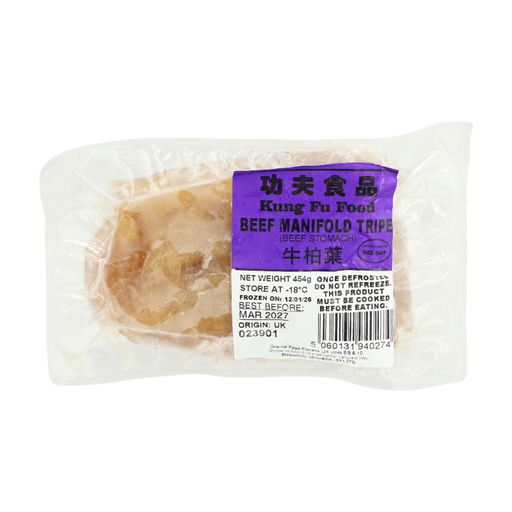
Why This Fits Their Persona: This is for the home cook dedicated to creating a genuine hot pot experience for friends and family. They prioritise authentic ingredients and textures over convenience.
This product is 100% pure beef omasum, the correct cut for quick-cooking hot pot. It directly avoids the "texture trap" by ensuring the crisp, tender bite that is expected, rather than a tough or rubbery result.
It is unseasoned, providing a blank canvas that will absorb the flavour of your carefully prepared broth. The generous 454g pack size is ideal for sharing.
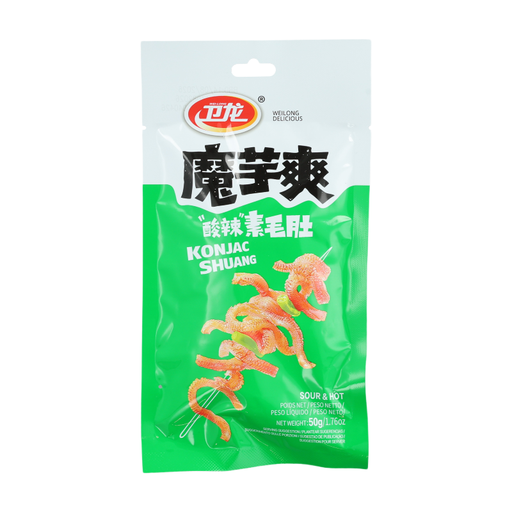
Why This Fits Their Persona: Ideal for students, young professionals and foodies looking for a trendy, convenient and intensely flavoured snack to enjoy on the go or while relaxing at home.
This product avoids the "flavour disappointment" pitfall by delivering a distinct and authentic hot and sour profile. It also prevents the meat vs. vegetarian mix-up, as it is clearly a konjac tripe snack.
The large pack contains individually wrapped portions, making it hygienic and perfect for sharing or portion control. The konjac base offers a satisfying chew and is low in calories.
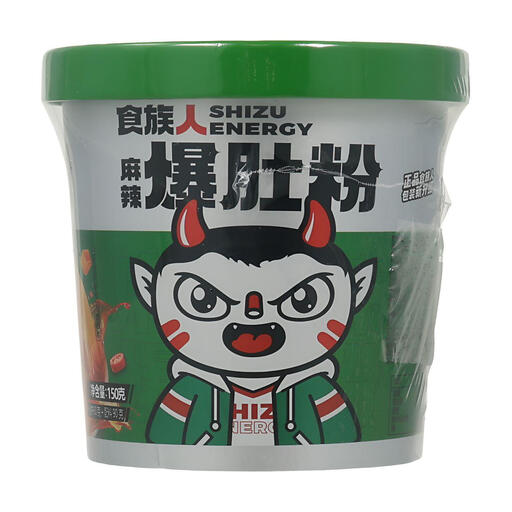
Why This Fits Their Persona: This is for anyone needing a substantial, flavour-packed meal in minutes. It is a complete solution that requires no additional ingredients or complex preparation.
This product sidesteps all three pitfalls. It contains genuine beef tripe, removing the ingredient guesswork. The seasoning provides an authentic mala flavour, and the all-in-one format ensures a satisfying result with minimal effort.
Ultimate convenience. It is a full meal with noodles, vegetables and real tripe that is ready after adding hot water. The flavour is complex and satisfying, replicating a mini hot pot experience.
We have compiled a complete, real-time list of products that fully satisfy these strict selection criteria and UK safety regulations.
For thin-sliced beef omasum, the key is speed. After ensuring it is fully thawed, simply swish a few slices in the boiling hot pot broth for 30-60 seconds. It will curl and shrink slightly. Remove it immediately and enjoy with your dipping sauce. Overcooking will make it tough and rubbery.
Konjac itself is a root vegetable that is very low in calories and carbohydrates, and high in a type of soluble fibre called glucomannan. This makes the vegetarian tripe base a lighter option. However, the overall healthiness of the final snack depends on the seasoning. Many Chinese spicy snacks are high in salt and oil to achieve their bold flavour, so they are best enjoyed as a treat in moderation.
The main differences are texture and cooking time. Beef omasum is thin, layered and cooks in under a minute to a crisp-tender texture, making it ideal for hot pot. Honeycomb tripe is much thicker and has a spongy, net-like appearance. It requires slow cooking, often for over an hour, to become tender and is typically used in braised dishes and stews.