
24/7 Customer Support

Free returns

Same-day & Next-day Delivery

Quality Guaranteed

Unlock Your Welcome Offers: FREE Delivery | Up to 80% OFF | Free 30-day JoyPlus trial
Download the APP
Navigating the world of Asian noodles can be a delightful but sometimes confusing journey. You might see them labelled as Chinese vermicelli, glass noodles or cellophane noodles, and wonder what the difference is. Are they suitable for a bubbling hot pot, a quick stir-fry or a refreshing cold salad?
As your Joybuy Product Recommendation Officer, my role is to help you understand these versatile pantry staples. This guide will demystify the different types of Chinese vermicelli, offer practical tips for choosing the right one for your dish and present our top recommendations to help you cook authentic and delicious meals at home.
Before you add a pack to your basket, consider these key points. Getting the right noodle is the first step to perfecting your recipe.
The texture and thickness of vermicelli vary significantly based on its core ingredient, which dictates its best use in the kitchen.
The "glassy" or translucent appearance of these noodles comes from the type of starch used, not from wheat or rice flour. This is what sets them apart from other Asian noodles.
Many types of Chinese vermicelli are naturally gluten-free noodles, making them an excellent choice for those with sensitivities. Noodles made purely from sweet potato, pea or mung bean starch and water fit this category. However, it is always crucial to check the ingredient list, as some varieties may include other starches, like wheat starch, for textural purposes.
Based on versatility, texture and ingredient quality, here are our standout selections for your kitchen pantry.

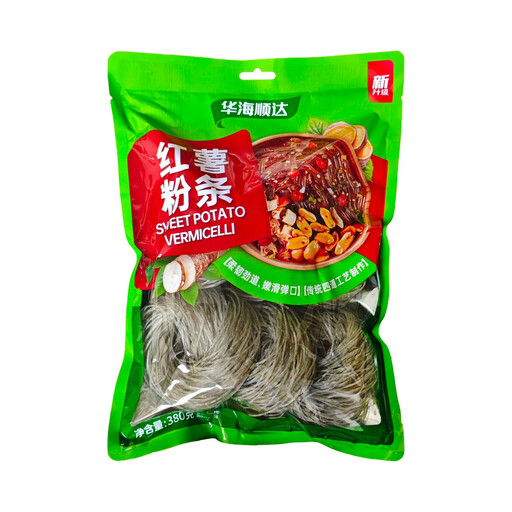
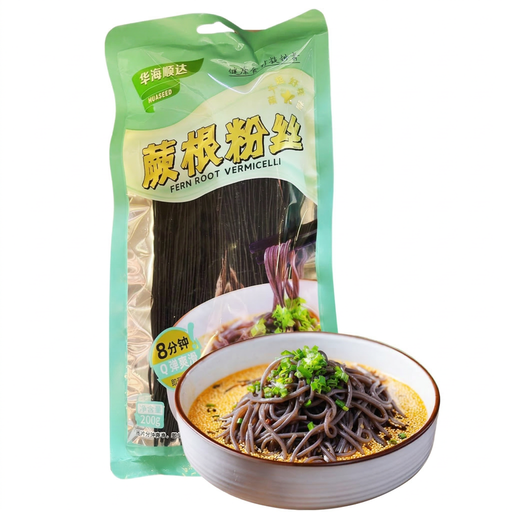
Our recommendations cover some of the most popular and versatile types of Chinese vermicelli. However, the world of noodles is vast. If you're looking for other varieties or want to explore the core ingredients used to make them, we have a wider selection available.
Explore our full range of bean and seed products to find your next pantry staple.
1. What is the difference between Chinese vermicelli and rice vermicelli? The main difference is the core ingredient. Chinese vermicelli (or glass noodles) is made from starch, such as mung bean, pea or sweet potato starch. This gives it a translucent, gelatinous and often chewy texture when cooked. Rice vermicelli, on the other hand, is made from rice flour, resulting in an opaque white noodle with a softer, less elastic texture.
2. Are Chinese vermicelli noodles a healthy choice? Objectively, they can be part of a balanced diet. As seen in the products above, they are typically fat-free and contain zero sugars. They are primarily a source of carbohydrates for energy. Because they are made from starch, they are generally considered a lighter option compared to some wheat-based noodles. Certain types, like those made from sweet potato starch, can also be a good source of dietary fibre.
3. How do you cook glass noodles so they don't stick together? The key is to avoid overcooking. For thin glass noodles, a short soak in hot (not boiling) water for 5-10 minutes is often sufficient. If boiling, cook for only 2-3 minutes until just tender. Immediately after draining, rinse them thoroughly under cold running water. This washes off excess starch and stops the cooking process, preventing them from becoming a sticky clump. A light toss with a drop of sesame oil can also help keep the strands separated.