
24/7 Customer Support

Free returns

Same-day & Next-day Delivery

Quality Guaranteed

Unlock Your Welcome Offers: FREE Delivery | Up to 80% OFF | Free 30-day JoyPlus trial
Download the APP
Navigating the world of Chinese vermicelli can feel overwhelming. You see packets labelled 'glass noodles', 'rice sticks' and 'sweet potato noodles', but the differences are not always clear. Many home cooks in the UK find themselves disappointed after a purchase, ending up with a dish that doesn't match their expectations. As the Joybuy Product Recommendation Officer, my role is to help you understand the key distinctions so you can choose with confidence.
A common issue is buying the wrong type of noodle for your intended dish, leading to a textural disaster. Another frequent pitfall is encountering noodles that turn to mush the moment they hit hot water or, conversely, remain stubbornly rubbery no matter how long you cook them. This often stems from misleading packaging or a lack of clarity about the core ingredients. Let's break down what you really need to know to avoid these simple but frustrating mistakes.
To ensure you get the right texture and flavour for your meal, focus on two core parameters: the starch source and the noodle's form.
The ingredient list is your most reliable guide. The type of starch used determines whether your noodles will be chewy, soft, or silky.
How the noodles are packaged affects preparation time and convenience.
To help you choose, we have matched some popular options to different cooking needs and lifestyles here in the UK.
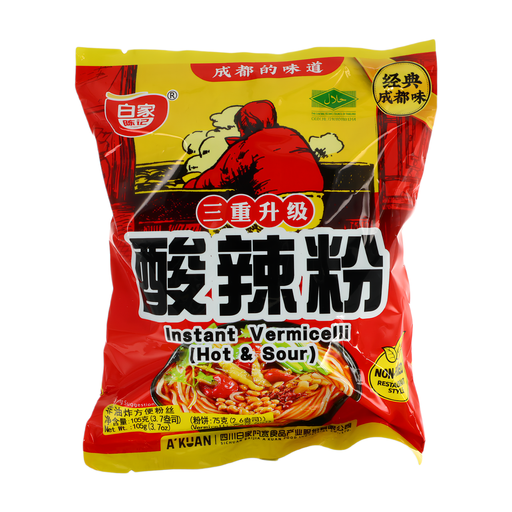
Why This Fits Their Persona: This is the perfect solution for a quick, flavour-packed lunch or a simple weeknight dinner. It delivers an authentic Sichuan-style meal in under 10 minutes, requiring only boiling water.
The kit uses sweet potato vermicelli, ensuring the noodles stay satisfyingly chewy and don't turn to mush. The clear "Hot & Sour" flavour profile means you know exactly what to expect.
Extremely convenient with all seasonings included. The classic tangy and spicy broth offers a genuine taste of Sichuan.
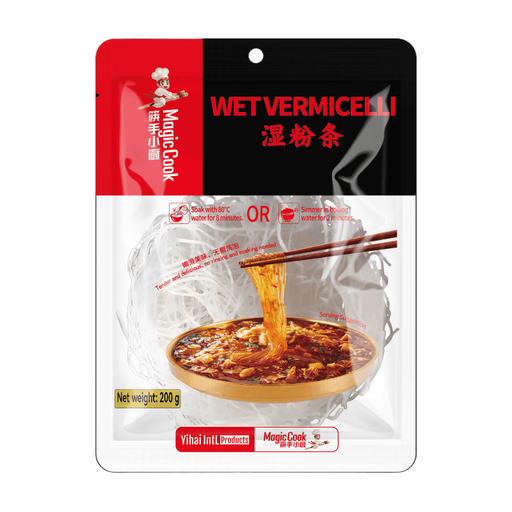
Why This Fits Their Persona: From a brand synonymous with hot pot, these fresh noodles are designed for convenience and performance. They are perfect for anyone hosting a hot pot gathering, saving precious preparation time.
These are the correct noodles for the job. As fresh sweet potato vermicelli, they are specifically made to hold their chewy texture in simmering broth, completely avoiding the "mushy noodle" problem.
No soaking required—just rinse and add to the pot. The noodles are excellent at absorbing soup flavours and won't fall apart.
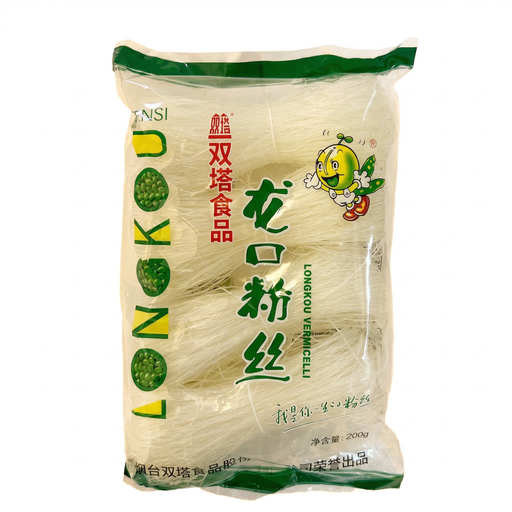
Why This Fits Their Persona: For the home cook seeking authentic ingredients for classic recipes, this is an essential pantry staple. It's the genuine article for dishes that call for traditional glass noodles.
By choosing a named speciality like Longkou vermicelli made from pure mung beans, you get the expected light, slippery texture, avoiding the rubberiness of cheaper starch blends.
Authentic speciality product with a clean ingredient list (mung beans, water). It provides a uniform, crystal-clear texture that holds up well in soups and stir-fries.
We have compiled a complete, real-time list of products that fully satisfy these strict selection criteria and UK safety regulations.
It depends on the noodle. Thin mung bean vermicelli or rice vermicelli often just need a brief soak in hot water to soften. Thicker sweet potato vermicelli usually benefits from a longer soak (20-30 minutes) in warm water before boiling to ensure it cooks evenly. However, some fresh-packed noodles require no soaking at all. Your safest bet is to always follow the instructions on the package.
Many are, but not all. Vermicelli made from 100% rice, sweet potato or mung bean starch are naturally gluten-free noodles. However, you should always check the ingredients list carefully. Some instant noodle kits include soy sauce or other seasonings that contain wheat, and some blended noodles may use starches derived from wheat. The allergens information, highlighted in bold on UK packaging, is your most reliable guide.
The key difference is the primary ingredient. Glass noodles are made from various starches (mung bean, sweet potato and potato) and become translucent, or 'glassy', when cooked. They have a springy, sometimes gelatinous texture. Rice vermicelli, on the other hand, is made from rice flour. It remains an opaque white colour when cooked and has a much softer, more tender texture. They serve different purposes in cooking and are generally not interchangeable.