
24/7 Customer Support

Free returns

Same-day & Next-day Delivery

Quality Guaranteed

Unlock Your Welcome Offers: FREE Delivery | Up to 80% OFF | Free 30-day JoyPlus trial
Download the APP
By Joybuy Product Recommendation Officer
Chinese vinegar can transform dumplings, noodles, stir-fries and cold dishes, but bottles that look similar may have very different flavour profiles and uses. The main choice is not simply between “strong” and “mild”: ingredients, fermentation style, ageing, acidity, sweetness and bottle size all affect how the vinegar performs in a UK kitchen.
A dark colour does not automatically mean a Chinese aged vinegar has a deeper or more balanced flavour. Black vinegar may be made from grains such as sorghum, rice, wheat bran or barley, while a lighter rice vinegar generally has a cleaner, gentler acidity. Some products are designed for direct dipping; others are intended to be diluted or added during cooking.
For example, a Shanxi mature vinegar can offer a rounded, grain-based flavour, whereas a Zhenjiang vinegar is commonly associated with aromatic acidity and dumpling dipping. Check the intended use rather than relying on colour alone.
Seasoned products are convenient, but they are not interchangeable with plain cooking vinegar. Sushi vinegar commonly includes sugar and salt, and some blends contain fish or seaweed extracts. This makes them suitable for sushi rice but less flexible for recipes where you want to control seasoning yourself.
Always read the ingredient list, particularly if you have allergies. Barley and wheat bran contain gluten, while some Japanese-style products may contain sulphites or fish.
A 200ml or 250ml bottle may be practical for occasional sushi preparation or salad dressing. A vinegar 500ml bottle is more suitable for regular dumplings, marinades and stir-fries. Larger formats can offer better value for heavy users, but only if you can store and use the product before its flavour declines after opening.
Traditional Chinese vinegar may use rice, glutinous rice, sorghum, wheat bran, barley, peas or grain starters. Solid-state fermentation and ageing can create a more rounded aroma than a simple sharp sourness. A stated ageing period, such as three or six years, is useful information, but it should be considered alongside the ingredients and recommended applications.
Look for the stated acidity where it is provided. For instance, Taoxi Yongchun Aged Vinegar lists 6.5g per 100ml, while Tao Xi Yongchun Aromatic Vinegar lists total acidity of at least 5.5g per 100ml. These figures help indicate sourness, but they do not describe the entire flavour experience.
A sharper vinegar may work well in cooking, pickling or rich sauces. For direct dipping, many shoppers prefer a mellow profile with some sweetness or aromatic depth. Add small quantities first, particularly when using a new bottle.
Check the net quantity, cap design and storage instructions. Many products advise keeping the bottle in a cool, dry place away from light and refrigerating after opening. Some labels recommend prompt consumption after opening.
For UK households, the label should be checked for:
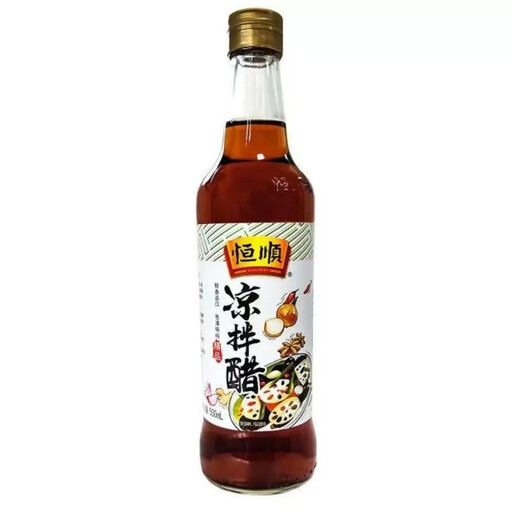
Why This Fits Their Persona: A practical starting point for UK cooks who want one bottle for cold dishes, dipping sauces and everyday Chinese meals.
Its description specifies mild acidity and direct use in cold dishes, reducing the risk of buying an overly sharp cooking vinegar for dipping.
500ml glass bottle; ingredients include water, rice, salt, sugar and edible alcohol.
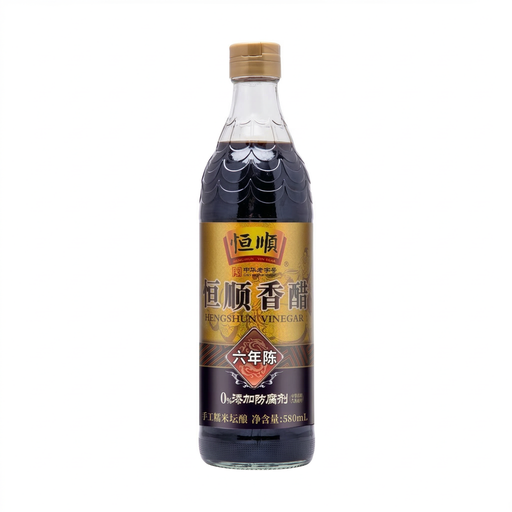
Why This Fits Their Persona: Suitable for shoppers seeking an aged Zhenjiang vinegar for dumplings, seafood, salads and sauces.
The stated six-year ageing period and named Zhenjiang style provide clearer information than vague “mature” wording alone.
580ml format; made with glutinous rice, wheat bran and rice yeast; ready to use.

Why This Fits Their Persona: Designed for occasional sushi nights, home cooks who want ready-seasoned rice vinegar, and shoppers who prefer a smaller bottle.
It is clearly labelled as a sushi vinegar blend, so shoppers do not mistake a sweetened, salted product for plain rice vinegar.
Ready to use; includes sugar, salt, bonito extract and kombu extract. Contains fish.
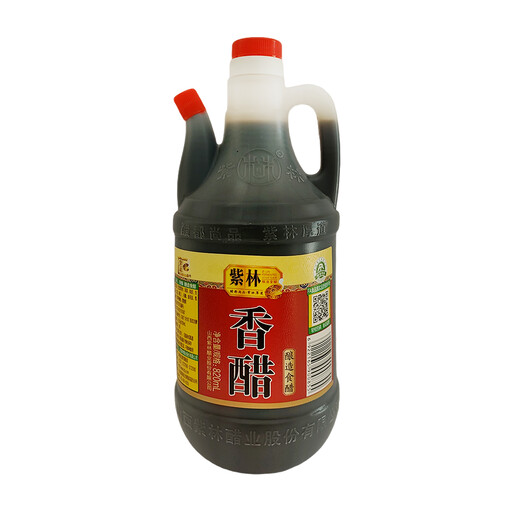
Why This Fits Their Persona: A larger format for families, frequent meal preparation, catering-style kitchens and regular use in cooking or dipping sauces.
The 820ml quantity is explicit, helping frequent users avoid repeatedly buying small bottles or paying for unnecessary premium packaging.
Suitable for cold dishes, dipping, stir-fries and soups; made with sorghum, wheat bran, barley and peas.
We have compiled a complete, real-time list of products that fully satisfy these strict selection criteria and UK safety regulations.
Not always. Black vinegar usually refers to a dark grain-based vinegar, but Chinese vinegar includes several styles, such as light rice vinegar, Zhenjiang aromatic vinegar, Shanxi mature vinegar and Yongchun vinegar. Check the ingredients, origin and suggested uses on the label.
A dumpling vinegar or aged Chinese vinegar is generally the most practical choice. Look for a ready-to-use product with a rounded aroma and moderate acidity. You can add chilli oil, sliced ginger, garlic or soy sauce according to taste.
They can work in some dressings and marinades, but the flavour will change. Balsamic vinegar is grape-based and sweeter, while apple cider vinegar has a fruitier sharpness. For dumpling dipping sauces, soups and Chinese stir-fries, a grain-based Chinese vinegar is usually a closer flavour match.