
24/7 Customer Support

Free returns

Same-day & Next-day Delivery

Quality Guaranteed

Unlock Your Welcome Offers: FREE Delivery | Up to 80% OFF | Free 30-day JoyPlus trial
Download the APP
Navigating the world of authentic Chinese condiments can feel overwhelming. Walk down any international food aisle, and you're met with a wall of bottles, all labelled 'vinegar' but with vastly different colours, descriptions and intended uses. Choosing the right Chinese vinegar is crucial for achieving the authentic taste you're after, whether for a sharp salad dressing, a complex braise or the perfect dumpling dipping sauce.
As the Joybuy Product Recommendation Officer, my role is to help you see past the confusing labels and marketing clutter. Many UK home cooks find themselves disappointed after a purchase, and it often comes down to a few common pitfalls.
By understanding a few core principles, you can confidently select the right bottle for your pantry.
Before you add a bottle to your basket, a quick check of its type, ingredients and brewing method can tell you everything you need to know.
The foundation of any Chinese vinegar is its base grain, which defines its flavour profile and best use. The three main categories you'll encounter are:
The production process significantly impacts the final flavour. Look for mentions of traditional solid-state fermentation, a method that yields a much richer and more nuanced flavour profile compared to modern, liquid-fermentation techniques.
Furthermore, like a fine wine, some of the most sought-after Chinese vinegars are aged. An aged black vinegar, matured for several years, will have a smoother, more mellow taste with less of the sharp bite found in younger vinegars. An age statement (e.g., "3-Year Aged" or "6-Year Aged") typically indicates a premium product.
A quick scan of the ingredients is the easiest way to avoid the pitfall of unwanted additives.
To make your choice easier, we've matched some excellent options to different culinary needs and preferences.
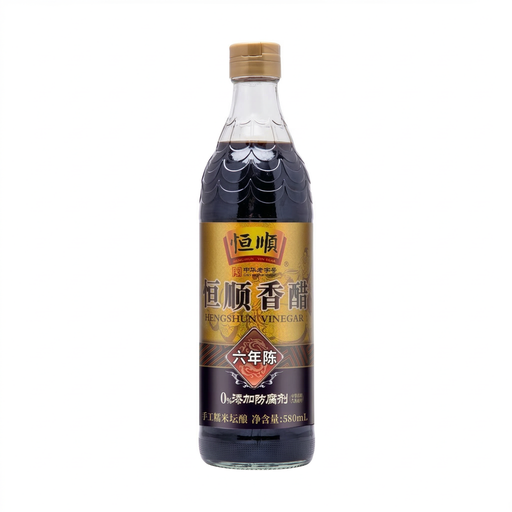
Why This Fits Their Persona: This is for the cook who wants the definitive taste for their dumplings or braised dishes. The six-year ageing process creates a deep, mellow and complex flavour that is the hallmark of premium Zhenjiang vinegar.
It sidesteps the "black vinegar mirage" by being a genuine aged product from a renowned producer. The complexity from ageing ensures you get a rich, malty flavour, not just sourness and colour.
Aged for six years for a remarkably smooth and balanced flavour. Made with glutinous rice and traditional yeast for an authentic profile.
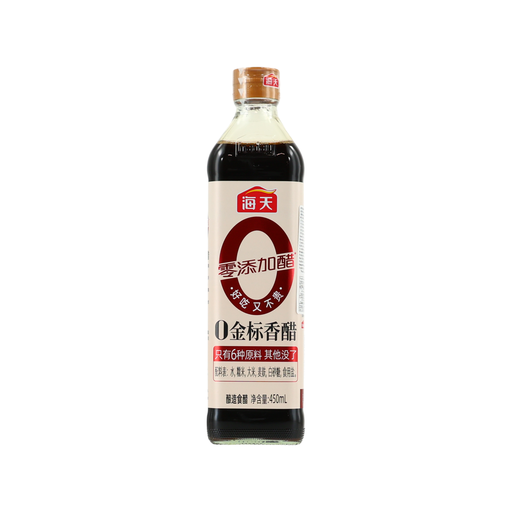
Why This Fits Their Persona: For the home cook who meticulously reads labels, this vinegar's "0 Addition" promise is its main appeal. It delivers a pure, clean vinegar taste without any unwanted extras, making it a trustworthy pantry staple.
This product directly counters the "additive overload" pitfall. Its simple ingredient list of water, rice, salt and sugar ensures you are getting a traditionally flavoured product without hidden enhancers or preservatives.
Free from added colourings, preservatives and flavour enhancers. A versatile aromatic vinegar suitable for dipping, cold dishes and general cooking.
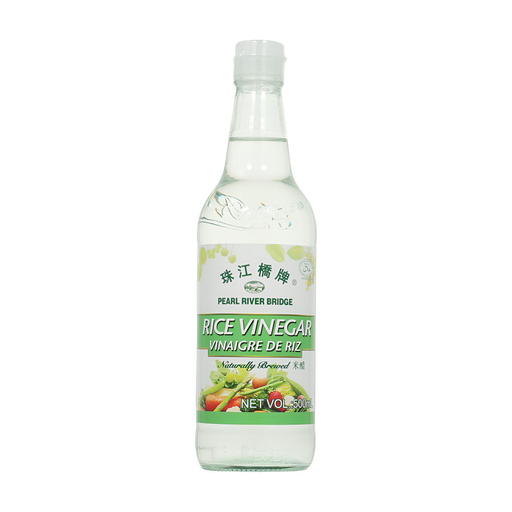
Why This Fits Their Persona: If you're building your first Chinese pantry, this is a perfect starting point. It's a straightforward, high-quality white rice vinegar with a clean, mild acidity that works beautifully in pickles, salads and sweet and sour sauces without being overpowering.
It helps you avoid using the "wrong tool for the job." By starting with this neutral, versatile vinegar, you won't accidentally overwhelm a delicate dish with a complex black vinegar, ensuring more successful cooking experiments.
Extremely simple ingredient list (water, rice, salt) with no additives. Its crisp, mild flavour is forgiving and highly versatile for a wide range of Asian dishes.
We have compiled a complete, real-time list of products that fully satisfy these strict selection criteria and UK safety regulations.
While they may look similar, they are very different. Chinese black vinegar is made from grains like rice and wheat, giving it a malty, umami-rich and smoky flavour. Balsamic vinegar is made from grapes and has a distinctly sweet, fruity and tangy taste. They are not interchangeable in recipes.
Most brewed vinegars are naturally acidic and shelf-stable. However, for optimal flavour preservation, especially for premium or aged vinegars, it is often recommended to store them in a cool, dark place and keep the cap tightly sealed. Some labels may suggest refrigeration after opening, so it's always best to check the bottle.
While you can, the results will vary greatly. The classic choice is a good quality Chinese black vinegar, like Zhenjiang vinegar, which provides a deep, complex flavour. You can then customise it with soy sauce, sesame oil and garlic. Using a white rice vinegar would result in a much sharper, less nuanced dip, while a red vinegar would be too sweet for this purpose.