
24/7 Customer Support

Free returns

Same-day & Next-day Delivery

Quality Guaranteed

Unlock Your Welcome Offers: FREE Delivery | Up to 80% OFF | Free 30-day JoyPlus trial
Download the APP
Navigating the world of Chinese vinegar can feel overwhelming. With shelves stocked with bottles of varying colours, names and descriptions, it's easy to grab the wrong one and end up with a dish that tastes nothing like the recipe intended. As a Joybuy Product Recommendation Officer, my role is to help you understand the key differences so you can select the right bottle for your kitchen with confidence.
Many home cooks in the UK fall into a few common traps. Firstly, there's the pitfall of treating all dark-coloured vinegars as interchangeable. Using a light, sharp rice vinegar when a recipe calls for a complex, malty black vinegar can ruin the flavour balance. Secondly, many overlook the ingredients list, accidentally purchasing products with unnecessary additives or caramel colouring instead of a naturally brewed and aged product. This can lead to a flat, one-dimensional taste. Finally, not understanding the significance of regional varieties like Zhenjiang or Shanxi vinegar means missing out on the authentic, nuanced flavours that make Chinese cuisine so special.
To avoid disappointment, focus on a few core parameters. Understanding these will transform how you shop for Asian cooking ingredients and elevate your home cooking.
The foundation of any vinegar's flavour is what it's made from. The distinctions are crucial for achieving the right taste in your dishes.
How a vinegar is made directly impacts its depth of flavour. The most significant distinction is between modern, rapid production and traditional fermentation.
Finally, consider the vinegar's primary role in your kitchen. While many are versatile, some are formulated for specific tasks.
To help you choose, we've matched some excellent options to different types of home cooks.

Why This Fits Their Persona: This user wants the genuine article for classic dishes like sweet and sour ribs or as a high-quality dumpling dip. They value authenticity and a complex flavour profile that can't be replicated by generic vinegars.
It avoids the trap of genericism. As a Protected Geographical Indication (PGI) product, its origin and quality are assured, ensuring you get the authentic, mellow flavour of true Zhenjiang vinegar.
Made from premium glutinous rice and traditionally fermented for a complex, well-balanced sourness. Highly versatile for dipping, dressing and cooking.
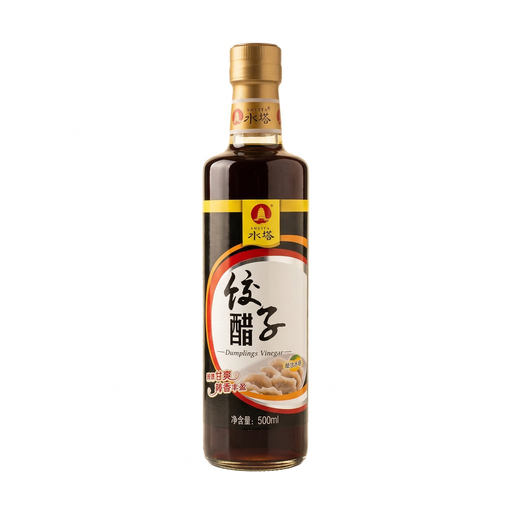
Why This Fits Their Persona: This person makes dumplings a regular feature at their dinner table and needs the perfect, no-fuss dipping sauce that complements the fillings without overpowering them. Convenience and balanced flavour are key.
It avoids the common mistake of using a harsh cooking vinegar for dipping. This is specifically formulated as a dumpling vinegar, with a mellow sourness and aroma designed to enhance, not dominate.
Ready to use straight from the bottle. Based on Shanxi mature vinegar but with an adjusted flavour profile that cuts through richness and highlights the natural taste of dumpling fillings.

Why This Fits Their Persona: This cook appreciates the deep, complex flavours that only time can create. They are looking for a premium aged vinegar to use as a finishing touch on dishes or as a standalone high-quality dipping sauce.
This product's value is clearly defined by its five-year aging process. It avoids the trap of vague "premium" labels by offering a specific, verifiable quality marker that directly contributes to its superior flavour.
Aged in pottery jars for over five years, it develops a rich, mellow aroma with a smooth, lingering acidity and a sweet aftertaste. A premium choice for dishes requiring a higher flavour profile.
We have compiled a complete, real-time list of products that fully satisfy these strict selection criteria and UK safety regulations.
The main differences are the ingredients, colour and flavour. Chinese black vinegar is typically made from sorghum, glutinous rice, wheat or barley. It is dark, with a complex, malty and sometimes slightly sweet flavour. It's used for braises, dipping sauces and adding depth to dishes. White rice vinegar is made from rice, is clear or very pale, and has a much milder, cleaner and more acidic taste. It's better suited for pickling, dressings and dishes where you don't want to add a dark colour.
For most brewed vinegars, you should store them in a cool, dry place away from direct sunlight, like a pantry or cupboard. Ensure the cap is tightly sealed after each use to preserve its flavour and prevent evaporation. While refrigeration isn't always necessary for high-acid vinegars, it can help maintain optimal flavour for longer, especially for more delicate or seasoned varieties. Always check the bottle's label for specific storage instructions.
While both are types of black vinegar, they have distinct flavour profiles. Zhenjiang vinegar is mellow, complex and slightly sweet, making it a versatile all-rounder for dipping and cooking. Shanxi aged vinegar is generally more intense, savoury and has a characteristic smoky aroma from the aging process. You can substitute them in a pinch, but be mindful of the flavour difference. If a recipe calls for Shanxi vinegar, using Zhenjiang vinegar might result in a less robust flavour. Conversely, using Shanxi vinegar in place of Zhenjiang might overpower a more delicate dish.