Choose a 70% to 75% dark bar if you want a cocoa-led option for a shared afternoon-tea table; consider 85% when the people eating it already enjoy a more intense, less-sweet flavour. White chocolate serves a different purpose: the Waitrose example is described as sweet and creamy, while Lindt and M&S list substantially higher cocoa percentages for their cited dark bars. Check the exact pack’s ingredients and allergen information before serving guests.
Who is choosing?
Hosts sharing chocolate with a group
If guests’ preferences are unknown, a stated 70% or 75% dark bar offers a less intense starting point than the cited 85% options. Lindt describes its 70% bar as balanced; keep a sweeter option available if not everyone wants dark chocolate.
Guests who prefer pronounced cocoa flavour
An 85% bar is worth considering when the intended eater already likes intense, less-sweet dark chocolate. Check the individual product’s flavour description and allergen information rather than treating its cocoa percentage as a complete description.
Hosts serving guests with allergies
Choose from the exact pack’s ingredient and precautionary allergen statements. The cited Lindt 85% bar is made to a vegan recipe but is not suitable for people with a milk allergy, so neither “vegan” nor “dark” settles that question.
What should you check?
Decide whether you want a dark-chocolate tasting bar or a sweeter contrast, then compare the stated cocoa percentage, serving purpose and exact-pack allergen information.
| Priority | What to check | Your needs |
|---|
| Cocoa intensity |
Read the cocoa percentage on the current pack. Lindt lists 70% minimum for its cited bar, M&S lists 75% for its single-origin bar, and both brands list cited 85% options; percentage alone does not describe every flavour note. |
I’m sharing with people whose taste for dark chocolate varies, so I would start with a 70% to 75% option rather than make 85% the only choice. |
| White or dark |
Compare the product type and ingredients, not just the cocoa figure. Waitrose lists 25% cocoa solids and milk ingredients for its Belgian white bar; the cited dark bars state 70% to 85% cocoa solids. |
For a sweet, creamy element alongside cakes, I might choose white chocolate. If I want guests to taste a high-cocoa dark bar, I need a dark product with a stated percentage. |
| Allergens |
Read both the ingredients and any “may contain” statement on the exact pack. The Food Standards Agency explains that precautionary wording communicates possible unintended allergen presence through cross-contact. |
When serving someone with an allergy, I need to check their specific allergen against the bar I will serve; a vegan-recipe label cannot replace that check. |
| Serving purpose |
Check whether the bar is plain or flavoured and whether its stated uses suit drinks, a tasting plate or baking. Lindt suggests green tea and double espresso with its cited 70% bar; those are the brand’s pairing suggestions, not a guarantee for every tea. |
A plain bar lets guests focus on the chocolate with their drinks. For a dessert-style plate, I might instead want a sweeter white bar or a dark bar with an added flavour. |
Buying pitfalls
-
Assuming “dark” guarantees a high cocoa percentage
Dark bars do not all state the same cocoa level. Cadbury’s cited Bournville description identifies it as dark chocolate without giving a percentage in that description.
If a particular cocoa threshold matters, confirm the figure on the current pack or product page before choosing.
-
Comparing white and dark percentages as though they describe the same bar
The cited Waitrose white chocolate lists cocoa butter and milk ingredients, while the cited high-cocoa dark bars state much higher cocoa-solid percentages. They address different flavour preferences at afternoon tea.
Choose by the chocolate and flavour you intend to serve: white for a sweet, creamy contrast or a dark bar with a confirmed percentage for a cocoa-led tasting.
-
Using “vegan” or “dark” as an allergen check
The cited Lindt 85% bar is made to a vegan recipe yet is not suitable for people with a milk allergy. Precautionary warnings also vary between products.
Read the ingredients and allergen statements on the exact current pack for each guest’s relevant allergy; choose another product if its label is unsuitable.
-
Making 85% the only option for a mixed group
M&S describes higher cocoa percentages as bringing a more intense, less-sweet flavour. That may not match guests who expect a sweeter chocolate alongside tea and cakes.
If preferences are unknown, consider serving a 70% to 75% dark bar alongside a sweeter alternative, with 85% reserved for those who want it.
Relevant brand ranges
These examples show how individual brands describe particular white and dark bars; check the product you intend to buy rather than applying one bar’s details to an entire range.
Lindt
Lindt EXCELLENCE includes cited dark bars labelled 70% and 85% cocoa.
- Lindt describes its 70% bar as balanced and suggests green tea and double espresso pairings.
- Its cited 70% bar may contain milk and other allergens; its cited 85% vegan-recipe bar is not suitable for people with a milk allergy.
M&S
The cited M&S dark bars state 75% and 85% cocoa solids.
- M&S describes vanilla and fruity notes in its 75% single-origin bar.
- Its cited 85% bar is not suitable for people with milk, nut or peanut allergies; check the label of whichever bar you choose.
Waitrose
The cited Belgian White Chocolate offers a sweet, creamy route rather than a high-cocoa dark tasting bar.
- The 180 g bar states 25% minimum cocoa solids and 25% minimum milk solids.
- Its listed ingredients include milk and lactose, so check suitability before serving guests with dietary restrictions.
Galaxy
Galaxy describes a 70% cocoa dark bar and a raspberry-meringue dark variant in its Fusions range.
- The raspberry-meringue variant provides an added-flavour option for a dessert-style plate.
- Added flavours make that variant a different choice from a plain bar when the aim is to compare chocolate flavours on their own.
Cadbury
Cadbury identifies Bournville Classic as a dark chocolate bar.
- It is an option to consider when a specified high-cocoa percentage is not essential.
- If you require 70% cocoa or another threshold, check the current pack: the cited Cadbury description does not give a percentage.
Dark chocolate options on Joybuy
These bars cover stated 70%, 72% and 85% dark-chocolate options for an afternoon-tea table. Choose a percentage and plain or flavoured style that fits the people you are serving, then check the current pack for allergen suitability.
 No image available
Green & Black's 70% Dark Chocolate 90g
A plain 70% dark bar to consider when sharing chocolate with guests who may not want an 85% option. The product information warns that it may contain milk and nuts; check the current pack for the relevant allergens.
 No image available
Morrisons The Best Dominican Republic 72% Dark Chocolate 100g
A 72% dark bar for a tasting plate or baking. Its product information lists soya and warns that it may contain other allergens, including milk, nuts and peanuts; consult the current pack before serving.
 No image available
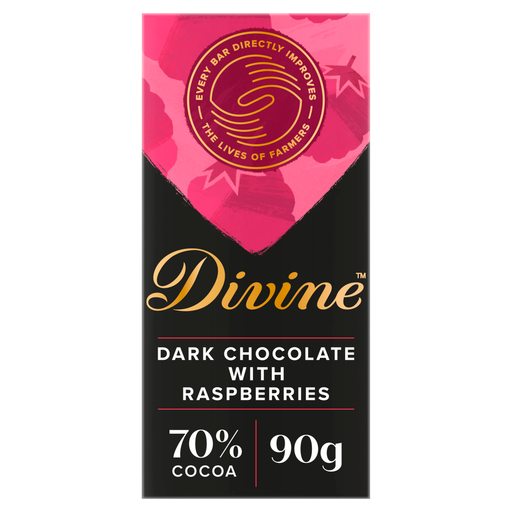
Divine Chocolate 70% Dark Chocolate with Raspberries 90g
A raspberry-flavoured 70% dark bar if you want a fruit accent rather than plain chocolate. Its product information gives conflicting vegan-related and milk information; do not rely on the vegan wording for a dietary or allergy decision, and check the exact current pack.
 No image available
Green & Black's 85% Dark Chocolate 90g
Consider this 85% bar for someone who already prefers intense dark chocolate, rather than as the only choice for guests with unknown preferences. The product information warns that it may contain milk and nuts; check the current pack.
 No image available
Morrisons The Best Ecuador 85% Dark Chocolate 100g
Another 85% option for a guest who wants pronounced cocoa flavour. It may be too intense for someone seeking a sweeter chocolate; its product information also warns of possible milk, nut and peanut presence, so read the current pack.
Questions about choosing chocolate
Can white chocolate replace a high-cocoa dark bar at afternoon tea?
Not if the aim is to serve high-cocoa dark chocolate. Waitrose lists 25% cocoa solids and milk ingredients for its cited white bar, while the cited Lindt and M&S dark bars state 70%, 75% or 85% cocoa solids. Choose white chocolate when you want a sweet, creamy contrast instead.
Where should I start if guests do not usually eat dark chocolate?
Consider a stated 70% bar before making 85% the only dark option. Lindt describes its cited 70% bar as balanced, while M&S describes higher cocoa percentages as more intense and less sweet. Offering a sweeter alternative leaves room for different preferences.
Is vegan dark chocolate suitable for someone with a milk allergy?
A vegan-recipe label does not establish milk-allergy suitability. Lindt says its cited 85% vegan-recipe bar is not suitable for people with a milk allergy. Check the ingredients and precautionary statement on the exact current pack.
What does “may contain nuts” mean on a chocolate bar?
It is precautionary information about possible unintended allergen presence. The Food Standards Agency explains that “may contain” statements communicate a cross-contact risk; check the exact pack against the needs of anyone with a relevant allergy.


