Hosts planning a small afternoon tea
Decide whether guests would rather choose from an assortment, share pieces from one bar or receive separate items. The format also affects how you plan portions and check ingredients.


Choose an assorted pouch if guests would enjoy picking from several varieties, a sharing bar if you want to divide one product into planned portions, or a multipack if each person needs a separate item. Check the exact pack’s ingredients, allergens and serving information before buying. If a guest follows prescribed swallowing or texture advice, use their individual guidance rather than assuming any standard chocolate format is suitable.
Decide whether guests would rather choose from an assortment, share pieces from one bar or receive separate items. The format also affects how you plan portions and check ingredients.
A pack with clearly stated portions can help you see what a proposed serving contains. For a guest managing diabetes, follow their own dietary advice rather than treating a sharing pack as an unrestricted serving.
Age alone does not determine what someone can eat. If a guest has been given texture-modified dietary advice, follow their clinician’s or speech and language therapist’s guidance before choosing chocolate.
Choose the serving format first, then check the exact product against each guest’s portion, ingredient and texture needs.
Choose it when: Guests would enjoy selecting from several chocolate varieties.
Bear in mind: Different pieces may have different ingredients and textures, so one judgement may not fit the whole assortment.
Choose it when: You want to divide one product into pieces for the table.
Bear in mind: Someone needs to portion and serve the bar; check its stated serving size rather than judging portions by eye.
Choose it when: Each guest needs a separate item, particularly one they can take away.
Bear in mind: Separate packaging does not settle questions about ingredients, texture or serving nutrition.
| Priority | What to check | Your needs |
|---|---|---|
| Portions | Compare the pack’s stated serving size and nutrition per serving. Galaxy lists approximately eight 21.5g portions for its 180g Smooth Milk sharing bar, with 12g sugars per portion. | I would like to decide what to offer each guest before opening a larger pack. |
| Texture | Look for crunchy, crumbly, hard or chewy components. Kent Community Health NHS Foundation Trust identifies these as textures that can be difficult for people with dysphagia; follow any advice prescribed for the individual guest. | If someone has swallowing or chewing advice, I need a choice that follows that advice—not one chosen simply because it is labelled for sharing. |
| Ingredients | Read the current pack’s ingredient and allergen statements, including any ‘may contain’ wording. Check the relevant pieces in an assortment, not just its front label. | I need to know whether the chocolate I serve fits each guest’s known allergy or ingredient requirements. |
| Serving format | Check whether guests will pick from a pouch, receive pieces of one bar or take a separate item. If individual wrapping matters, confirm it on the pack. | Would guests enjoy choosing different chocolates, or would one clearly allocated item per person make serving simpler? |
An assorted pouch can contain pieces with different ingredients and textures. Kent Community Health NHS Foundation Trust notes that crunchy, crumbly, hard and chewy foods can be difficult for people with dysphagia.
Check the exact pouch label and the pieces you intend to serve. If a guest has prescribed texture advice, follow it rather than relying on the assortment’s name.
A pack intended for several people does not tell you how much to put on each plate. Galaxy states a 21.5g portion for its 180g Smooth Milk sharing bar and lists 12g sugars for that portion.
Use the current pack’s serving and nutrition information when deciding how much to offer.
A bar or multipack can still contain crispy, nut or chewy components. KitKat describes its Hazelnut Sharing Bar as containing crispy wafer and hazelnut filling and states that it may contain peanuts.
Check ingredients and texture for the particular product. Where a guest follows swallowing advice, use their clinician’s guidance instead of substituting a standard chocolate product.
These examples illustrate different ways to serve chocolate; a brand name alone does not establish whether a particular pack suits every guest.
Cadbury presents its Heroes Pouch 270g as miniature chocolates for sharing, making it an example of an assorted pouch rather than a single-flavour bar.
Galaxy’s 180g Smooth Milk sharing bar is an example of one chocolate product that a host can divide for the table.
KitKat distinguishes breakable sharing bars from multipacks intended to give each person a separate wrapped portion.
These options cover a sharing bar, multi-bar packs and chocolate pouches for an afternoon-tea table. Check the current pack when serving format, ingredients or portion information affects your choice.
 No image available
A single sharing block suits a table where the host wants to divide chocolate into pieces. Galaxy states approximately eight 21.5g portions for this 180g bar; check the current pack’s serving and ingredient information before offering it to guests.
 No image available
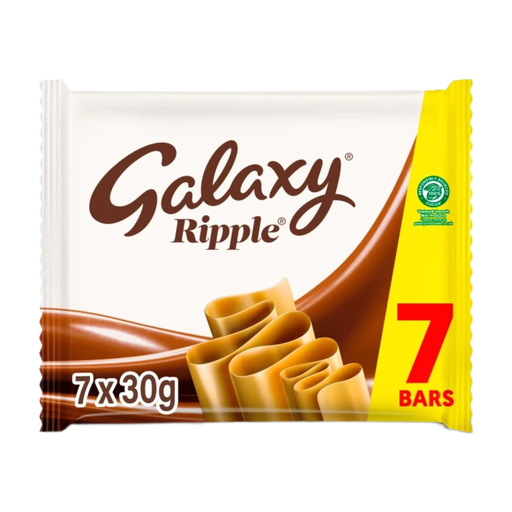
Seven bars offer separate items for a gathering rather than pieces broken from one block. Check the current pack for wrapping, per-bar nutrition and ingredients if you plan to allocate one bar to each guest.
 No image available
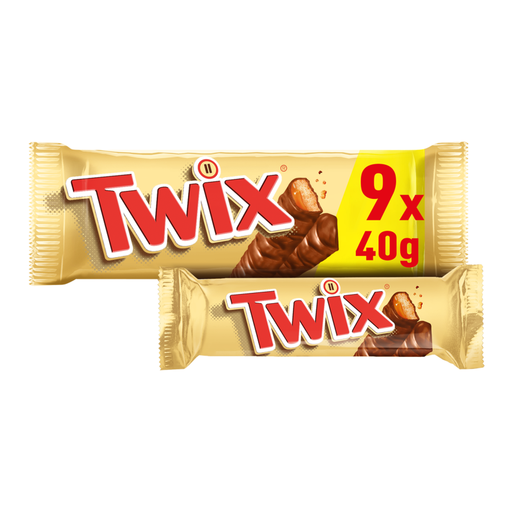
The nine 40g twin packs provide a defined pack size for planning how many items to put out. Confirm the individual wrapping and check the current ingredient and nutrition labels if those details matter for your guests.
 No image available
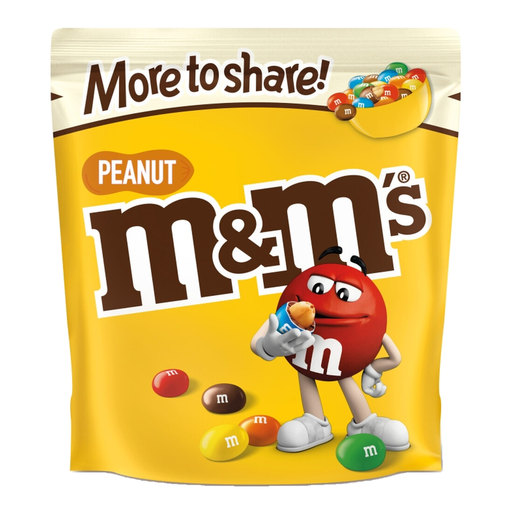
This 200g pouch is a table-sharing option for guests who want chocolate pieces with peanuts. Its name makes the peanut ingredient clear, but check the full current label and any individual texture advice before serving.
 No image available
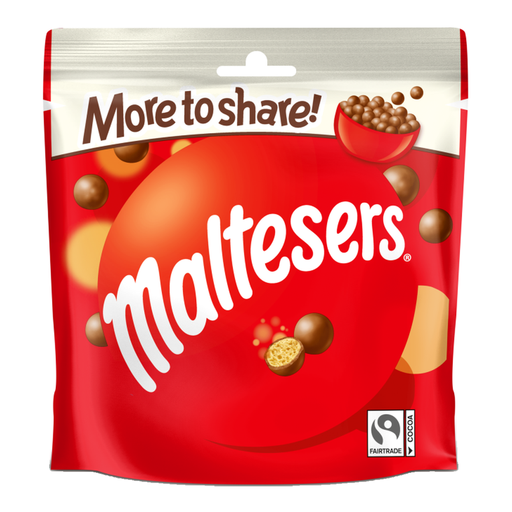
The 158g pouch provides chocolate pieces with a crispy centre for sharing. Check the current ingredient and serving information; if a guest has prescribed texture advice, assess that crisp texture against their individual guidance.
No single format suits everyone, and age alone does not determine swallowing needs. Kent Community Health NHS Foundation Trust identifies crunchy, crumbly, hard and chewy foods as potentially difficult for people with dysphagia; follow any texture advice prescribed for the guest.
Diabetes UK says chocolate can be eaten in moderation and not too often. Check the pack’s portion and nutrition information, and follow the guest’s own diabetes-care advice rather than treating a sharing pack as an unrestricted snack.
Check the current ingredient and allergen statements, any ‘may contain’ wording, and nutrition for the serving you intend to offer. For an assortment, make sure the checks cover the relevant varieties rather than assuming every piece is alike.
Choose a sharing bar if you want to divide one product for the table, or a multipack if separate items are more practical. KitKat’s UK format guidance makes this distinction; either way, check the specific chocolate’s ingredients, texture and serving information.